

Zyppah Review
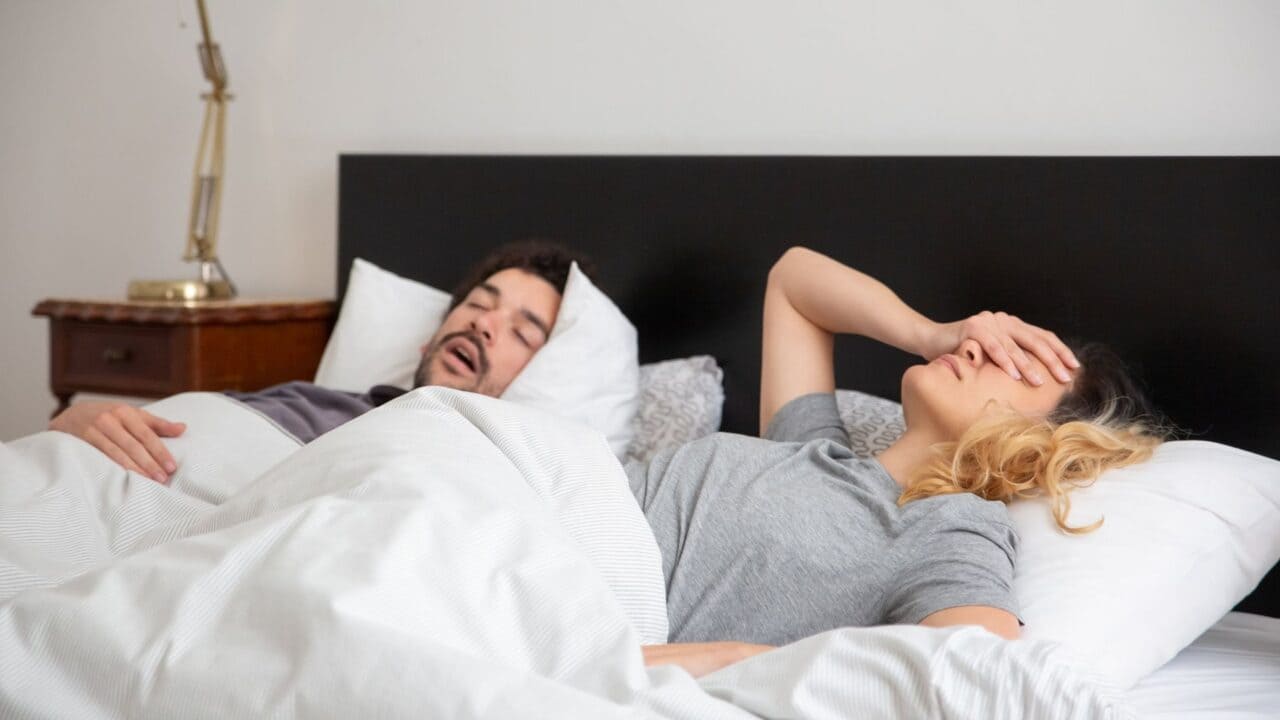
You snore, or you sleep next to someone who does. Either way, somebody in that bed has already tried the pillow shove, the elbow, and the closed door.
Zyppah is an over-the-counter mouthpiece that holds your lower jaw forward and keeps your tongue in place with a soft strap. It is FDA-cleared as an aid to reduce snoring in adults, and it costs $99.95 on Zyppah’s own site as of October 2026.
My verdict: it’s a decent choice for plain snoring, but it is not a cure and it does not treat sleep apnea. The research behind it is thinner than the ads suggest, and I walk through exactly why below.
Update, October 2026: I rechecked the price, the guarantee, the FDA record, the maker’s own study and the independent research. Where the older version of this review got something wrong, I fixed it.
This page contains affiliate links. If you buy through them, SnoringHQ may earn a commission at no extra cost to you.
Zyppah Review Video: Unboxing and Features
The video shows the earlier version I tested. Zyppah’s current listings call the device the Original, and Amazon lists it as the Z-91.
Zyppah Pros and Cons
I like to share both sides of every device I review, so you can decide with your eyes open.
Pros
- The hybrid design pairs jaw advancement with a tongue strap, which is how Zyppah describes it.
- It is FDA-cleared (510(k) K182312, January 2019) for over-the-counter sale as an aid to reduce snoring in adults 18 and older.
- You fit it at home with hot water, and Zyppah’s own instructions put the whole fitting at a few minutes.
- Zyppah advertises a 91-day money-back guarantee and free shipping on orders of $85 or more.
- Per its FDA filing, as reported by Sleep Review, the materials are USP Class VI and passed ISO 10993 biocompatibility testing.
- In my hands it was a one-piece device with few crevices, so it was easy to clean.
Cons
- The fitting is fussier than some boil-and-bite devices because there is no recessed tray to guide your teeth.
- Drooling and jaw soreness are common while you adjust. My wife’s soreness faded by the fourth morning.
- The tongue strap makes some people gag, and several Amazon reviewers say it did.
- You can’t wear it with dentures, loose teeth, crowns or bridgework.
- It does not treat sleep apnea, and its FDA summary says so.
- Only one published study backs it, and that study came from people tied to the maker.
- Its Amazon listing averages 2.7 stars from 37 ratings as of October 2026.
Overall, my wife and I had a good experience, and I found it relatively comfortable. It will fit a lot of snorers, but I wouldn’t call it the best mouthpiece I’ve tried.
Pros
- FDA-cleared for snoring (K182312)
- 91-day money-back guarantee
- Boil-and-bite fit at home
Cons
- Tongue strap makes some people gag
- Not for dentures, loose teeth, crowns or bridgework
- Only one study, backed by the maker
Click here to see my favorite snoring mouthpieces.
What Is Zyppah?
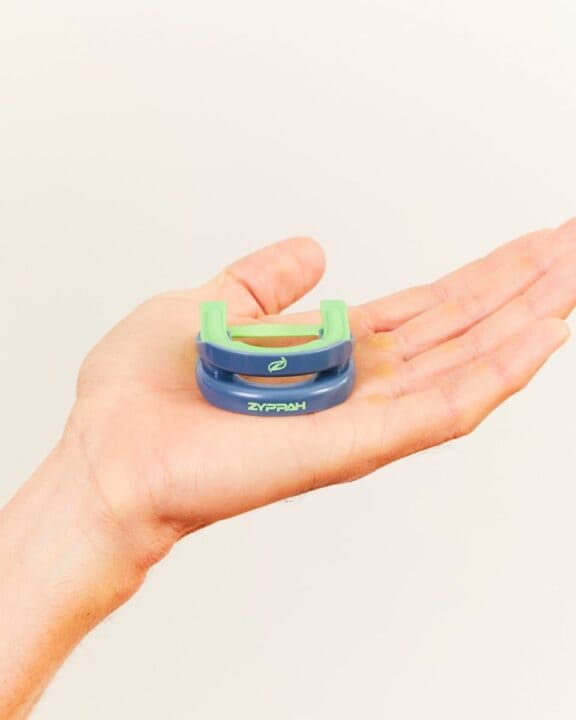
Zyppah is a hybrid anti-snoring mouthpiece. It works like a mandibular advancement device (MAD) that nudges your lower jaw forward, and it adds a tongue strap that borrows an idea from tongue retaining devices (TRDs).
Jonathan Greenburg, DDS, is the contact on the FDA filing, and Zyppah presents him as the inventor. If you want the full MAD versus TRD breakdown, read my comparison of MADs and tongue-retaining devices.
Zyppah’s shop today sells one device in single and double packs. It also sells bundles with mouth tape or nasal strips, plus the tape and strips on their own.
The older version of this review described four Zyppah models, three of them prescription versions fitted at clinics in California. I couldn’t find any trace of those on Zyppah’s current site, so I removed that claim.
The pink and camo colors are gone too. Amazon lists the current color as Original.
How Does Zyppah Stop Snoring?
When you fall asleep, your muscles relax and your tongue slides back toward your throat. The soft palate and uvula can then touch the tissues around them.
Air pushing through that tight space makes those tissues vibrate. The vibration is the sound that sends your partner to the couch.
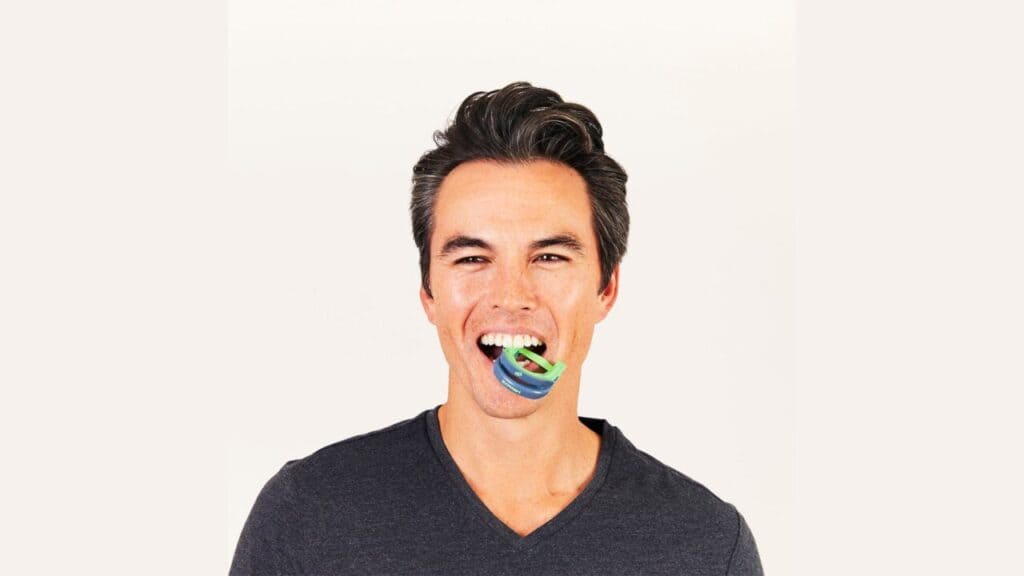
Zyppah pulls your lower jaw forward and holds your tongue steady, so the space behind them stays open. The tissues don’t touch, so they don’t flutter.
That mechanism has solid support in general. The AASM and AADSM guideline found high-quality evidence that oral appliances are effective for primary snoring in adults without sleep apnea, and it says they reduce the frequency and intensity of snoring.
The tongue half of the design has less behind it. The same guideline found insufficient evidence on tongue retaining devices for sleep apnea, and a systematic review of 16 small studies found those devices lowered apnea scores in people who already had sleep apnea.
Does Zyppah Actually Work? What the Research Says
There are three layers of evidence here, and they don’t all carry the same weight. I’ll take them from strongest to weakest.
The guideline: oral appliances for snoring
The 2015 AASM and AADSM guideline recommends that sleep physicians prescribe oral appliances, rather than no therapy, for adults who request treatment for primary snoring. It rates that recommendation as a standard, backed by high-quality evidence.
It also says the diagnosis of primary snoring should come from a sleep physician, not a dentist, because snoring so often travels with sleep apnea. For sleep apnea itself, it suggests custom, titratable devices over non-custom ones.
Zyppah is a non-custom boil-and-bite device. I found no equivalent custom-versus-boil-and-bite ruling for simple snoring.
Independent trials of mandibular advancement devices
A 2020 systematic review screened 905 articles and included 18. It concluded that the evidence, though limited for primary snoring, supports using MADs for it, and the common side effects (jaw joint pain and extra saliva) improved with time.
A 2024 randomized trial in JAMA Otolaryngology put 50 couples into two groups for four weeks. Partners rated 91% of snorers (21 of 23) as improved on the device, against 58% (11 of 19) with a mix of nasal strips, saline rinse, mouth taping and side sleeping.
That is a small pilot, and the abstract doesn’t name a brand, so it doesn’t prove anything about Zyppah specifically. It does show that this kind of device can beat the home remedies for plain snoring.
Zyppah’s own study
Zyppah’s published evidence is a 2019 study by Greenburg, Cozean and Cozean in the Journal of Sleep Disorders and Management. A total of 570 people finished it.

They used the device for 10 days and filled out online questionnaires before and after. Scores on the Snoring Severity Scale improved by 67%, and 91% of users reported benefits.
Here is what the headline leaves out. There was no control group, nothing was measured by a sleep lab, and the paper’s conflict statement ties the work to Zyppah, Inc.
The ad line “stops snoring in 91% of users” is also a stretch. The paper says 91% reported benefits, and Zyppah’s own science page lists 91.8% as the completion rate and 66.8% as the average improvement.
One more oddity: the paper describes the tested device as one that restrains the tongue and does not reposition the jaw. Today’s marketing says the device does both, so the study may not describe the current design perfectly.
My read: the category works, and Zyppah’s own results are encouraging but self-reported and unverified. Treat it as a reasonable first try with a long return window, not a guaranteed fix.
Does Zyppah Treat Sleep Apnea?
No. Zyppah’s FDA summary covers snoring only, and its labeling says the device doesn’t treat obstructive sleep apnea and includes the STOP-BANG questionnaire to screen for undiagnosed apnea.
Here’s why that matters. In a Finnish study of 5,177 adults, simple snoring with no other signs wasn’t linked to later cardiovascular events (HR 0.88), but breathing pauses (HR 2.19) and very loud, irregular snoring (HR 1.82) were.
If your partner sees you stop breathing, or you wake up gasping or fall asleep during the day, see a doctor before you buy a mouthpiece. A sleep test can tell you what’s really going on.
How Much Does Zyppah Cost in 2026?
These prices come from Zyppah’s own site as of October 2026. Prices change, so check the page before you buy.
- Single device: $99.95 on sale (regular price $129.95).
- Double pack: $190.00 on sale (regular price $259.90).
- Device plus mouth tape bundle: $107.00 on sale.
- Device plus nose strip bundle: $109.00 on sale.
- Shipping: free on orders of $85 or more.
- Guarantee: 91-day money-back, according to Zyppah’s product page.
The sale price is about 23% below the list price. I couldn’t verify any working coupon code, so I removed the old promo claims from this page.
Zyppah is also on Amazon now, listed as the Z-91 at $99.95. Zyppah’s own site says the device is “only available through our site,” so check who the seller is before you order there.
My own pair cost $99.95 each when I bought it. You can see the current deal on Zyppah’s site.
My Zyppah Experience
I ordered two, one for me and one for my wife. The box showed up in about three days, even though I hadn’t paid for upgraded shipping.
My wife was already smitten before we opened it. She carried the colorful package into the house like a gift.
We followed the fitting steps carefully, because the instructions matter with this one. The first night we both agreed it was comfortable, and my allergies were acting up, so I was glad for the airflow hole.
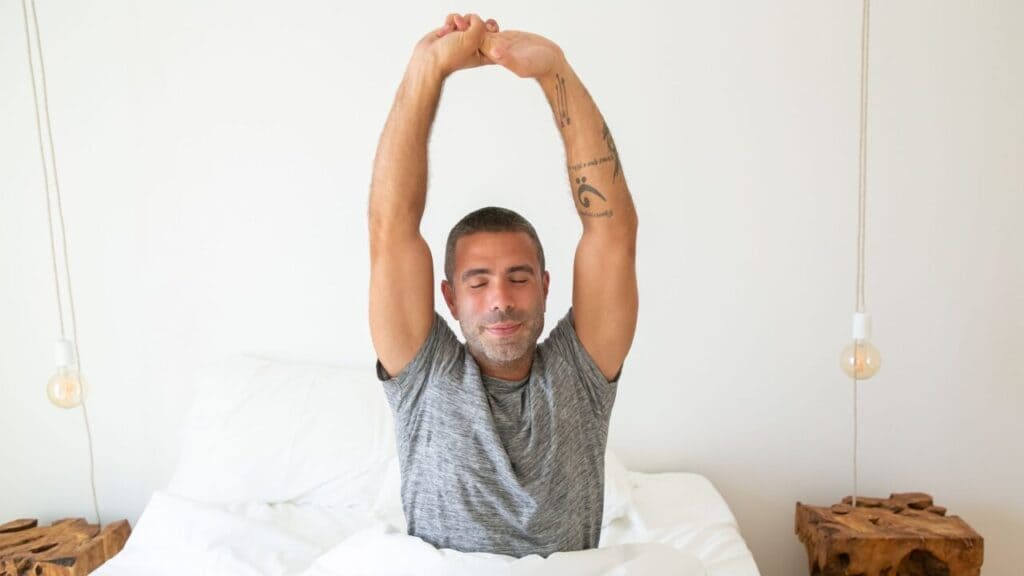
We woke up before the alarm. I felt more energized than I had in a long time, and my wife heard no snoring when she let the dog out.
My jaw was less sore than with earlier devices. Hers was fairly sore, but by the fourth morning the soreness was gone.
To clean them, I dropped each device in a glass of warm water with a denture tablet. There was no scrubbing, because there are no nooks to hide in.
After the two-week trial, we agreed Zyppah did what it promised. I still recommend SnoreRx or ZQuiet first, and if you can’t stand the thought of a mouthpiece, my Good Morning Snore Solution review covers a tongue device instead.
Two honest caveats. This was one couple over two weeks, which is a story and not data, and we tested an earlier version than the one on sale today.
Zyppah vs CPAP: Which Should You Choose?
CPAP stands for continuous positive airway pressure. It’s a machine that pushes air through a mask to keep your airway open.
Zyppah is a hybrid MAD that pulls your jaw forward and steadies your tongue. A CPAP needs power, a mask, tubing and filters, and it costs far more than a mouthpiece.
Zyppah vs. CPAP
| Zyppah | CPAP |
|---|---|
| MAD Hybrid: includes a TRD (tongue retaining device) | Airway pump/continuous positive air pressure machine |
| Boil and Bite | Manual adjustment of the mask straps and nose fitting |
| Denture tablets | Disassembly and washing each part in warm, soapy water |
| Four versions, over-the-counter and prescription | Various |
| $89.99 version includes free shipping | $200-$3000 |
| Zyppah Review | N/A |
You need a prescription to buy a CPAP, and a sleep study usually sets the pressure. The machine needs regular cleaning, and many people add a humidifier because the air runs dry.
For sleep apnea, CPAP is the standard treatment and it generally outperforms mouthpieces. For plain snoring, the guideline found insufficient evidence to say which one is better, though one small crossover trial it cites found similar snoring results and better sleep for bed partners with the oral appliance.
If you have severe sleep apnea, get assessed and use the therapy your doctor prescribes. If you or your partner snore with no medical condition behind it, a mouthpiece like Zyppah is a reasonable first step.
How to Fit Your Zyppah
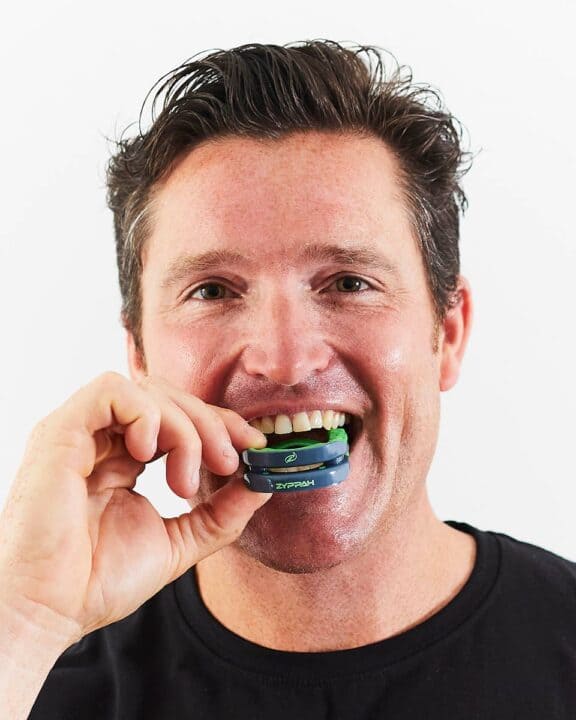
Zyppah uses a boil-and-bite method like other MADs, but without a recessed tray to guide your teeth. Grab a mirror, a pot or mug, tongs, a bowl of ice water and a timer.
Rinse the device in warm water first, and find the upper and lower trays before it gets hot and soft. Learn the orientation while it’s still firm.
Zyppah’s own instructions say to heat water until it’s almost boiling and place the device in it for 40 seconds. Use the tongs, and give it a few seconds to cool so you don’t burn your mouth.
Look in the mirror and seat the lower teeth first, then slide your jaw forward. Bring your upper teeth into place, then bite down firmly for 60 seconds.
Slide it out gently and set it in the ice water to harden. If the fit feels off, check the instruction sheet in your box to see how many times you can refit it.
How to Clean Your Zyppah
Your mouth is full of bacteria, so an unwashed mouthpiece turns unsanitary fast. Rinse it every morning and let it air dry completely before it goes in a case.
I clean mine with a soft toothbrush and a dab of mouthwash, then soak it in a denture tablet solution for the time on the tablet’s box. Rinse well afterward.
I’ve also found the iSonic ultrasonic cleaner to be one of the best ways to clean any snoring device.
The SNAP cleaner I mentioned in older versions of this review no longer shows up in Zyppah’s shop, so I took it out.
Does Snoring Hurt Your Health? What Zyppah Can and Can’t Change
Snoring costs the person who hears it as much as the person who makes it. The AASM guideline found that oral appliances improve sleep quality for both the snorer and the bed partner.
The bigger health claims need more care. The old version of this page said snorers face higher risks of heart disease, stroke, diabetes and depression, and it implied Zyppah would lower them.
A meta-analysis of eight studies and 65,037 people found habitual snoring was a mild but significant risk factor for coronary heart disease (HR 1.15) and stroke (HR 1.26). It found no link to overall cardiovascular disease or all-cause mortality, and the authors couldn’t say whether sleep apnea or snoring alone was responsible.
A later meta-analysis of 13 studies and 151,366 people put the added risk of coronary artery disease at 28%. The authors note that most snorers don’t have apnea, but the link may be partly explained by it.
Here’s the part the ads skip. The AASM guideline says there is insufficient evidence that treating primary snoring improves other health outcomes, so no one has shown that wearing Zyppah lowers your heart or stroke risk.
Quieter, deeper sleep for you and your partner is a real benefit. Protecting your heart is a conversation for your doctor.
What Do Customers Say About Zyppah?
Reviews run hot and cold. On Amazon, the Z-91 averages 2.7 stars from 37 ratings, and the comments range from a husband who finally stopped snoring to buyers who report gagging, a poor fit or a refund that never arrived.
On Zyppah’s own site, the single device shows 14 reviews at 4.7 stars. Those numbers sit on the company’s page, so weigh them accordingly.
Some readers have written to me about slow customer service. If you buy, keep your order confirmation, start the fitting right away, and contact support early if you’re struggling inside the 91-day window.
Who Should Use Zyppah, and Who Should Skip It?
Zyppah is a fair fit if you
- Are an adult who snores without any signs of sleep apnea.
- Want to try a mouthpiece before paying for a custom device.
- Sleep next to someone whose snoring has gotten loud enough to count.
Skip it, or ask a professional first, if you
- Have dentures, loose teeth, crowns or bridgework.
- Have jaw joint pain, or you gag easily.
- Stop breathing in your sleep, gasp awake or feel exhausted all day.
- Are under 18, since the FDA clearance covers adults only.
Your Next Quiet Night: Final Verdict
Zyppah is a decent mouthpiece with a smart idea and a thin pile of proof. It’s FDA-cleared for snoring, it comes with a long return window, and it costs about what its competitors charge.
It isn’t the best option I’ve tested, and it isn’t a treatment for sleep apnea. If you try it, fit it carefully, give it a couple of weeks, and use that return window if it doesn’t earn its spot on your nightstand.
Still weighing options? Start with my list of favorite snoring mouthpieces, or read the myths about snoring mouthpieces for the other side of the story.
Frequently Asked Questions
More On the Topic
- AASM and AADSM guideline on oral appliance therapy for snoring and sleep apnea
- Randomized trial: mandibular advancement device vs home therapy for snoring
- Systematic review of mandibular advancement devices for primary snoring
- Zyppah’s published at-home study in the Journal of Sleep Disorders and Management
- FDA 510(k) record for the Zyppah Anti-Snoring Device (K182312)
- Meta-analysis of habitual snoring and cardiovascular risk