


How Vaping Impacts Your Sleep
Nobody likes hearing that a habit is hurting their sleep. Plenty of vape marketing leans on that, with promises of a safer choice that is gentle on your body.
Here is what the research says. Vaping is linked with worse sleep, nicotine is a stimulant, and we found no study showing that vaping causes snoring.
That last point matters. We corrected several claims from the older version of this post.
Does Vaping Hurt Your Sleep?
It looks that way. A 2025 meta-analysis in Frontiers in Public Health pooled 14 cross-sectional studies and found e-cigarette users had higher odds of shorter sleep (odds ratio 1.38, 95% CI 1.24 to 1.55).
In adolescents, the risk of inadequate sleep was 33 to 61% higher. The authors note these studies show association only, so longer follow-up studies are needed.
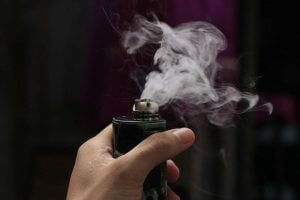
A 2019 study in the Journal of Sleep Research reached a similar conclusion. E-cigarette users reported worse sleep health, even those who did not vape every day.
Why Does Nicotine Keep You Awake?
Nicotine is a stimulant. In a 2019 study in Cardiovascular Toxicology of 17 volunteers, nicotine e-cigarette aerosol acutely raised heart rate and arterial stiffness.
That sample is small, but the direction fits what you feel at 11 p.m. when your pulse is up and your head will not quiet down.
In a 1994 study of snorers, an 11 mg nicotine patch cut total sleep time by 33 minutes. Sleep efficiency fell from 89.7% to 83.5%, REM sleep dropped from 18.8% to 15.1%, and falling asleep took 18.2 minutes instead of 6.7.
A patch is not a vape, but the drug is the same. Keep the hours before bed nicotine-free.
Is Vaping Safer for Your Airway Than Smoking?
We used to say vape liquid has lower nicotine and no carcinogens. We cannot back that up, so it is gone.
A 2019 review in The BMJ found e-cigarette aerosol contains nicotine, flavorings, propylene glycol, and vegetable glycerin, with adverse biologic effects. It also concluded that current knowledge is not enough to say vaping is less harmful to the lungs than combustible tobacco.
We also dropped the old claim that 36 mg/mL equals two packs a day. Nicotine strengths vary by product, so read the label.
Does Vaping Cause Snoring?
We told you it does, and we cannot support that. In the Antoniewicz study above, nicotine aerosol raised airway flow resistance for a short time, but nobody measured snoring.
The older claim that propylene glycol dries your throat and worsens snoring has no study behind it that we verified. We removed it.
There is a hint from regular smoking. In a 1995 population study of Australian men, smokers snored for a greater share of the night than nonsmokers, 41% versus 31%.
That is tobacco, not vapor, so treat it as a clue and not proof.
What Should You Do If You Vape and Snore?
- Stop vaping in the hours before bed.
- Consider cutting back, and ask your doctor about help quitting.
- Try an oral appliance for the snoring itself. The AASM and AADSM guideline recommends them for primary snoring.
- Ask about a sleep test if you gasp or choke at night, because loud snoring can signal sleep apnea.
Some links below are affiliate links. If you buy through them, Snoring HQ may earn a commission at no extra cost to you.
SnoreRx is our most recommended mouthpiece, and you can buy it through this link. Our guide to snoring devices compares your other options.
A mouthpiece will not undo what nicotine does to your sleep. It can still make your night quieter.
Frequently Asked Questions
Last Word
Vaping and good sleep do not mix well. The honest answer on snoring is that nobody has proved a link yet.
For help with the sleep side, visit Help With Insomnia.