

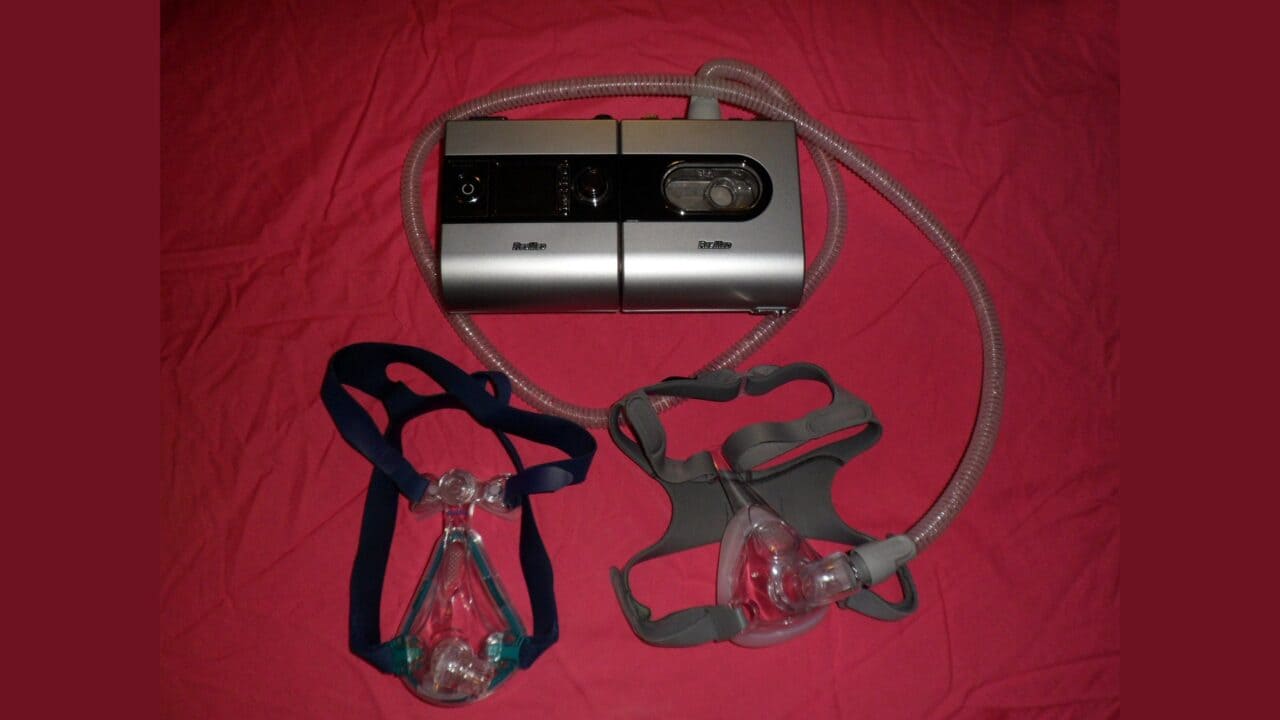
ZQuiet vs CPAP
You or your partner are losing sleep to snoring, and you’ve heard two very different fixes: a machine with a mask, or a piece of plastic in your mouth.
A CPAP (continuous positive airway pressure) machine supplies steady air pressure to keep your airway open while you sleep. A ZQuiet is a mouthpiece that holds your lower jaw slightly forward, the same idea behind other anti-snoring mouthpieces.
They’re built for different jobs, and picking the wrong one wastes money and sleep.
ZQuiet and CPAP compared
| Comparing | ZQuiet | CPAP |
|---|---|---|
| What it is | A one-piece mouthpiece, sold as an FDA-cleared device by its maker | A machine, hose and mask that deliver air pressure |
| Main job | Primary snoring; sometimes used when CPAP is not tolerated | Treating sleep apnea |
| Do you need a diagnosis? | No, but see a doctor first if you suspect sleep apnea | Yes, treatment begins after a sleep study confirms sleep apnea |
| Price (October 2026) | About $39.95 for a single pack, $59.95 for the 2-size starter pack, and $89.95 for the ZQuiet Advance Custom, per ZQuiet’s website | Varies by machine and coverage |
| Guarantee | 60-day money-back guarantee listed by ZQuiet | Set by the supplier |
| Upkeep | Clean the mouthpiece itself | Clean the mask, hose and humidifier parts |
| Common side effects | Jaw or tooth soreness can happen | Congestion, dry eyes or mouth, nosebleeds, runny nose |
Prices come from ZQuiet’s own website as of October 2026 and change, so check before you buy. Side effects for CPAP come from the NHLBI.
What the guidelines actually say
The American Academy of Sleep Medicine and the American Academy of Dental Sleep Medicine published a 2015 guideline on oral appliances. It says sleep physicians should prescribe oral appliances rather than no therapy for adults who request treatment for primary snoring.
For sleep apnea, the picture changes. The guideline says to consider oral appliances for adults who cannot tolerate CPAP or prefer another therapy, and that a qualified dentist should use a custom, titratable appliance over non-custom devices.
The NHLBI says much the same: a provider may prescribe a mouthpiece if you do not want CPAP or cannot tolerate it, and a dentist or orthodontist custom-fits it. In plain terms, CPAP is the usual first choice for sleep apnea, and a mouthpiece is the backup.
The ZQuiet mouthpiece

ZQuiet is a soft, pliable plastic mouthpiece. Your mouth stays slightly open, so you can breathe through your mouth or your nose.
That helps if you have a deviated septum or a stuffy nose. It fits loosely at first, which makes you think it will fall out, but it stays put.
Cleaning is simple. A toothbrush, dish soap and warm water do the job on a one-piece device.
Our ZQuiet experience
When we tested the kit, it came with two sizes so each of us could find the better fit. If a size runs big, ZQuiet’s directions explain how to trim it.
The first night went well, though one of us woke with a sore jaw. By the second morning it had settled, and talking was easy because the mouthpiece does not require a closed mouth.
Read our full ZQuiet review for the details on the trial offer and fit.
The CPAP machine

A CPAP has several parts: the machine itself, a hose and a mask, plus a filter and often a humidifier. You adjust the straps, switch it on, and the machine does the rest.
You need a diagnosis first. Treatment planning starts after a sleep study shows you have sleep apnea, and your provider guides the choice of machine and mask.
Cleaning takes more work than a mouthpiece, so follow the manufacturer’s instructions for the mask, hose, humidifier and filter. If side effects such as congestion or a dry mouth keep bothering you, tell your provider because mask and humidifier changes often help.
Cost, prescriptions and trials
ZQuiet is sold over the counter, so no prescription is needed. The Sleep Foundation review says each order includes two sizes, +2 mm and +6 mm of jaw advancement, and suggests starting with the smaller one.
CPAP is a medical device and needs a prescription, usually after a sleep study. The Sleep Foundation puts a machine at about $500 to $1,000 or more.
Insurance may help, and Medicare often starts with a three-month trial and then covers part of the cost. Beneficiaries may pay about 20% of the machine and supplies.
Check the current ZQuiet price and guarantee on the maker site before you buy. The review we read lists a 60-night guarantee but was last updated in 2022.
Side effects and upkeep
A ZQuiet is not adjustable, but you can trim the edges with scissors if it is too large. The company recommends replacing it every 4 to 6 months, or about every 3 months if you clench or grind.
Clean it with warm water, mild soap and a toothbrush, and skip the toothpaste.
Mandibular advancement devices can cause temporary jaw stiffness and extra saliva that usually ease with regular use, according to British Snoring.
CPAP can cause a dry mouth or nose, congestion, pressure marks, bloating from swallowed air and claustrophobia. A heated humidifier filled with distilled water may ease dryness, nosebleeds and congestion.
Wash the mask cushion and tubing daily and the humidifier chamber weekly. The FDA has warned that UV and ozone cleaners may be unsafe.
If CPAP is not working for you
The Sleep Foundation lists oral appliances, positional therapy, weight loss, auto-adjusting or bi-level machines, surgery and hypoglossal nerve stimulation as alternatives. A sleep doctor can match them to your severity.
A mouthpiece is not the same as a mouth guard for teeth grinding. British Snoring says a standard mouth guard does not affect the airway, and products sold as anti-snoring mouth guards are really a type of mandibular advancement device.
One caution on marketing claims: the Sleep Foundation review says it does not personally test devices like this, and it cites no studies behind the phrase clinically proven. Weigh that against the AASM and AADSM guideline linked below.
Which one fits you
If your problem is plain snoring and a doctor has ruled out sleep apnea, a mouthpiece like ZQuiet is a reasonable and affordable thing to try. The guideline supports treating primary snoring with an oral appliance.
If you have, or suspect, sleep apnea, get tested first. CPAP is the standard treatment, and a custom-fitted device from a dentist is the better mouthpiece option if you cannot tolerate it.
Warning signs include gasping or choking at night, loud snoring with long pauses, and heavy daytime sleepiness. Browse more anti-snoring aids once your doctor has cleared you.
Frequently Asked Questions
Some links on this page are affiliate links. If you buy through them we may earn a commission at no extra cost to you.