

6 Things That Could Be Keeping You Awake
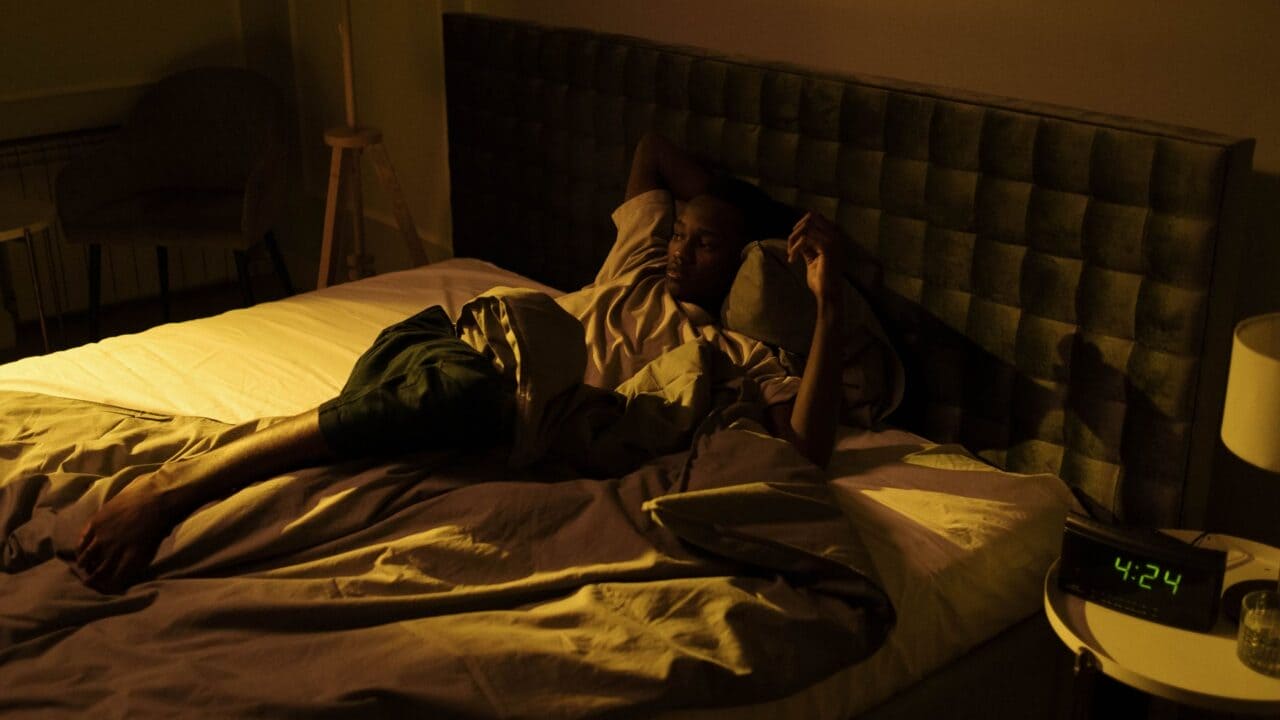
You’ve watched the clock slide past 2 a.m. again. The house is loud with somebody’s snoring, maybe your own.
Sleep rarely disappears for no reason. Something specific is usually holding it hostage, and you can find out what.
The CDC says adults need at least 7 hours of sleep a night. In 2022, the share of adults falling short ranged from 30% in Vermont to 46% in Hawaii.
Here are six common culprits, and what you can do about each one.
1. Allergies

Nasal allergies bring sneezing, itching, a runny nose and congestion. A stuffed nose pushes you toward mouth breathing, and for many people that means snoring.
Wash your bedding often in hot water and keep pets off the bed. Ask your doctor about a saline rinse or an antihistamine that suits you.
A HEPA air purifier in the bedroom can also help. In a six-week placebo-controlled trial of adults with dust mite allergy, bedroom PM2.5 dropped by up to 51.8% and people needed less allergy medication, though their symptom scores did not beat the placebo group. Our guide to what air purifiers can and can’t do goes deeper.
Salt-therapy gadgets, like the one in our SalinPlus review, make bold promises about congestion. We haven’t found strong proof for them, so treat them as an extra and not a fix.
2. Nighttime asthma
Asthma often gets worse at night. Lying flat and allergens in your bedroom can both set it off.
Coughing, wheezing or breathlessness that wakes you is worth a call to your doctor, because it can mean your asthma isn’t well controlled. Meanwhile, an extra pillow to raise your head and allergen-proof pillow and mattress covers can take some pressure off.
3. Snoring
Snoring starts when the muscles in your mouth and throat relax and the airway narrows. Air squeezes through, the tissue vibrates, and the whole room hears about it.

Snoring can also be a sign of obstructive sleep apnea, where breathing repeatedly stops and restarts. If you hear gasping or choking, or you feel wrecked after a full night, ask a doctor about a sleep study.
If it’s plain snoring, you have options. Start with our roundup of anti-snoring aids, our guide to anti-snoring mouthpieces, or our pillow guide.
4. Stress and racing thoughts
The lights go out and your worries start the replay. Work, money, family, the thing you said in 2014.
Write the worry down before bed so your brain can put it on a shelf, and talk it through with someone you trust. If the loop runs most nights for weeks, bring it up with your doctor.
5. Back pain and bathroom trips
Back pain makes any position feel wrong. Try a pillow between your knees if you sleep on your side, or under your knees if you sleep on your back, and do some gentle stretching before bed. Our list of tools for a better night’s rest has more ideas.
Waking up to use the bathroom steals sleep too. Ease off fluids in the last couple of hours before bed, and see your doctor if you’re up more than once or twice most nights.
6. Coffee and caffeine

Caffeine keeps you alert, which is great at 8 a.m. and a problem at bedtime. Many of us assume a cutoff of 4 to 7 hours is plenty, and the research says otherwise.
In a placebo-controlled trial, a 400 mg dose of caffeine disrupted sleep even when it was taken six hours before bedtime.
A meta-analysis of 24 studies found caffeine cut total sleep time by about 45 minutes on average. Its authors suggest finishing a cup of coffee (107 mg per 250 mL) at least 8.8 hours before bed.
If you turn in at 10:30 p.m., that puts your last cup at about 1:30 p.m. After that, switch to decaf or herbal tea.
Alcohol: the nightcap that backfires
Alcohol is a sedative, so it can help you fall asleep faster at first. As it wears off, light sleep rises and you wake more often, according to the Sleep Foundation.

It also relaxes the tongue and throat muscles, which makes snoring and breathing pauses more likely. The body clears roughly one drink per hour, and the Sleep Foundation says experts suggest stopping at least three hours before bed.
Caffeine hides in more places than coffee
An 8 oz cup of tea runs roughly 40 to 120 mg, a 12 oz soda up to 70 mg, and an energy drink anywhere from 50 to 300 mg, per the Sleep Foundation.
Caffeine is also added to some medications. Nicotine can cut its half-life by up to half, and the FDA says up to 400 mg a day is generally safe for adults.
Your bedroom and your habits count too
The NHLBI lists noise or light at night, a room that runs too hot or too cold, shift work and travel across time zones as insomnia risk factors.
Long daytime naps, too little activity and screens near bedtime are on the list as well.
The Sleep Foundation suggests a room around 65 degrees F, the same wake time every day and a 30 to 60 minute break from screens before bed.
If you are still awake after about 20 minutes, it recommends getting up and doing something calm in low light until you feel sleepy.
Worrying about sleep makes it worse
The NHLBI notes that worrying about getting enough sleep, or watching the clock, can raise the risk of insomnia or make it worse.
It also says insomnia is more common in women, and that hormone changes in pregnancy and menopause can disrupt sleep.
When to see a doctor
Persistent snoring, gasping during sleep, morning headaches or sleep that never feels refreshing deserve a medical visit, according to the Sleep Foundation.
Sleep hygiene alone will not cure a sleep problem, so bring it up with your doctor.
Track it for one week
You probably have more than one sleep thief. Keep a simple diary for a week: when you had caffeine, how stressed you felt, whether your nose was blocked, and how many times you woke.
Patterns show up fast, and they give your doctor something concrete to work with. If poor sleep drags on for weeks, or snoring comes with gasping, make that appointment.