

Health Risks of Chronic Snoring: 10 Dangers You Can’t Ignore
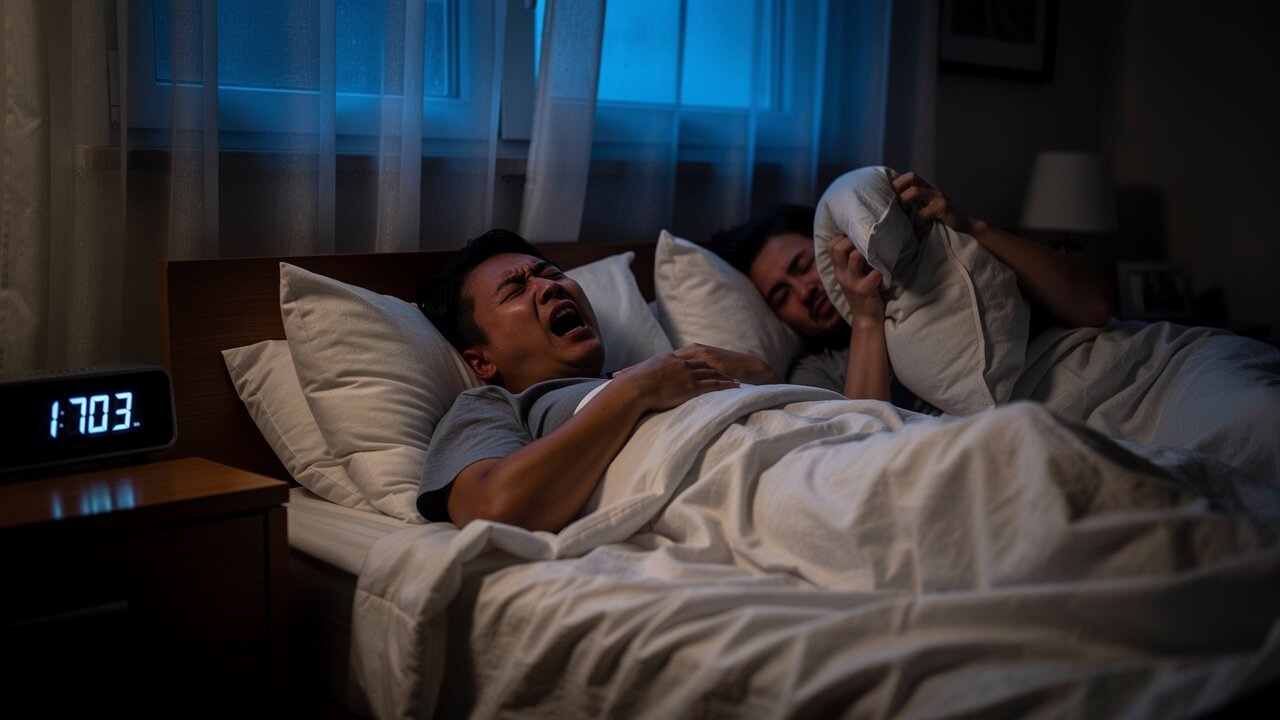
You’ve suspected it for a while now. That nightly rattling isn’t just annoying your partner—it’s a warning signal your body is desperately trying to send.
The morning headaches, the constant fatigue, the way you jolt awake gasping for air—these aren’t random inconveniences. They’re symptoms of something far more dangerous lurking beneath the surface of your sleep.
Your fears about long-term health consequences aren’t overblown. Chronic snoring is systematically damaging your body, night after night, in ways that compound over time.
The good news? Understanding these specific risks is the first step toward protecting yourself.
This article will walk you through the real physiological damage chronic snoring inflicts on your cardiovascular system, metabolism, and brain.
More importantly, you’ll discover practical, proven pathways to reverse these risks before they become irreversible.
Key Takeaways
Chronic snoring causes repeated oxygen deprivation that damages your cardiovascular system through stress hormone surges
Untreated sleep apnea dramatically increases your risk of stroke, heart attack, and atrial fibrillation
Metabolic disorders like Type 2 diabetes are directly linked to the hormonal disruption caused by poor sleep quality
Cognitive decline and mental health deterioration accelerate when your brain can’t complete restorative REM cycles
Effective, non-invasive options like mandibular advancement devices can reverse these risks by restoring proper airflow
What Chronic Snoring Actually Does to Your Body While You Sleep
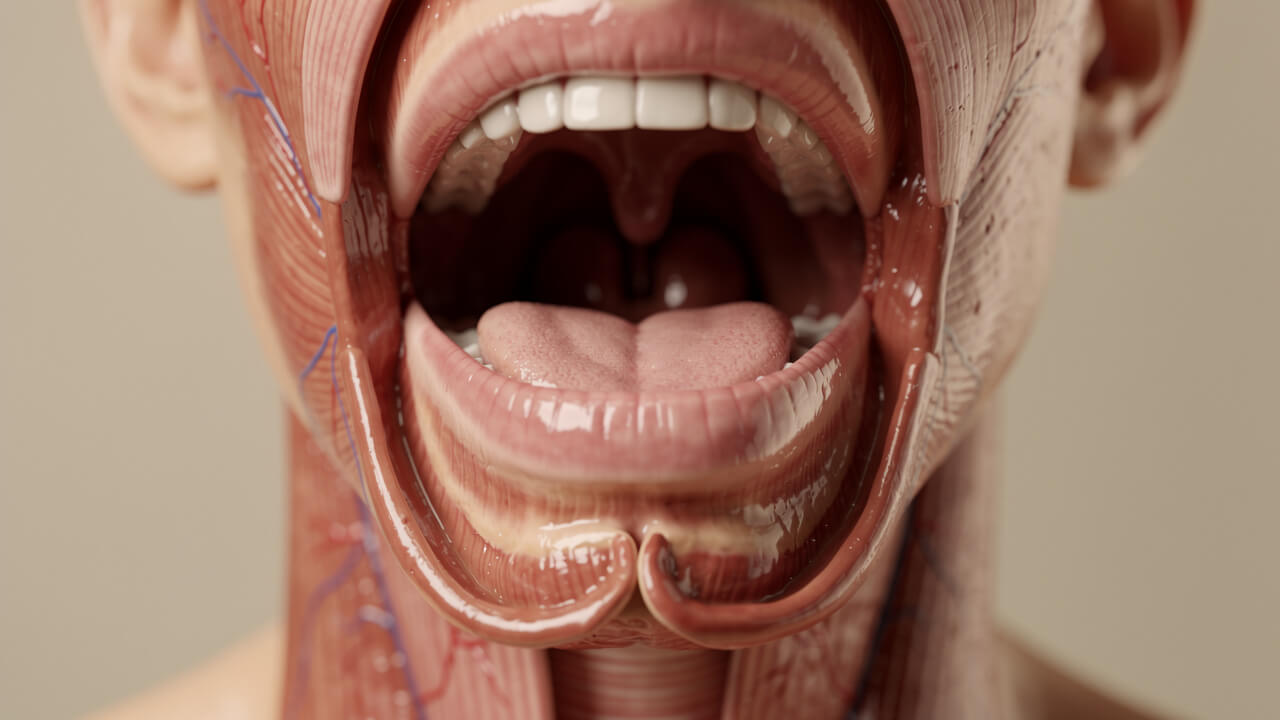
When you snore, the soft tissues at the back of your throat—your soft palate, tonsils, and tongue—vibrate against each other as air struggles to pass through a narrowed airway.
This isn’t just noise. It’s a mechanical failure that triggers a cascade of physiological damage.
In primary snoring, these tissues vibrate but don’t completely block airflow. You make noise, but your oxygen levels remain relatively stable.
However, in roughly 50% of chronic snorers, the condition escalates to Obstructive Sleep Apnea (OSA).
Here, those same tissues don’t just vibrate—they collapse entirely, creating complete or partial blockages that stop your breathing for 10 to 20 seconds at a time.
When your airway collapses, your blood oxygen levels plummet. Your brain detects this life-threatening drop and floods your system with stress hormones—adrenaline and cortisol—to force you awake just enough to gasp and restart breathing.
This happens hundreds of times per night.
“Sleep apnea is not just a nuisance—it’s a serious medical condition that affects every organ system in the body. The repeated oxygen drops create a state of chronic stress that accelerates aging and disease.” — Dr. Michael Breus, Clinical Psychologist and Sleep Specialist
The result? Your sleep becomes fragmented and shallow.
You never reach the deep, restorative REM cycles your body needs to repair tissue, consolidate memories, and regulate hormones.
Instead, you spend the night in a constant state of physiological emergency, your heart racing, your blood pressure spiking, and your body unable to perform the maintenance work that keeps you healthy.
This isn’t just poor sleep quality. It’s a nightly assault on your body’s most critical systems, and the damage accumulates silently over months and years.
The chronic inflammation triggered by these repeated episodes affects everything from your immune response to your cellular repair mechanisms.

The 10 Health Risks You Cannot Afford to Ignore
Cardiovascular Disease
Every time your airway collapses, your blood pressure spikes. Night after night, these repeated surges strain your heart and blood vessels.
Over time, this chronic hypertension leads to:
An enlarged heart struggling to pump efficiently
Damaged arterial walls losing their elasticity
Congestive heart failure as your cardiovascular system weakens
Your cardiovascular system simply cannot withstand the constant stress. Studies show that people with severe sleep apnea face a 140% increased risk of heart failure compared to those without sleep disorders.
Stroke and Heart Attack
The combination of oxygen deprivation and elevated blood pressure creates the perfect storm for vascular catastrophe.
Research shows that untreated sleep apnea increases your stroke risk by 60% and your heart attack risk by 30%.
The damage to your blood vessels and heart muscle accumulates silently until a clot forms or a vessel ruptures.
Each apnea event creates micro-tears in your arterial walls, promoting plaque buildup and increasing the likelihood of blockages that can prove fatal.
Atrial Fibrillation
Chronic snoring is directly linked to atrial fibrillation—an irregular heartbeat that causes blood to pool in your heart chambers.
This pooling creates clots that can travel to your brain, causing stroke. AFib also reduces your heart’s pumping efficiency by up to 30%, creating a vicious cycle of cardiovascular deterioration.
The structural changes to your heart from repeated oxygen stress make AFib increasingly difficult to treat over time, often requiring medication or surgical intervention.
Type 2 Diabetes
The stress hormone surges triggered by oxygen deprivation interfere with your body’s ability to process insulin.
Over time, this hormonal chaos leads to:
Insulin resistance as cells become less responsive to glucose regulation
Metabolic syndrome characterized by high blood sugar, excess body fat, and abnormal cholesterol levels
Increased risk of diabetic complications
Studies show that people with untreated sleep apnea are 2.5 times more likely to develop Type 2 diabetes, independent of obesity or other risk factors.

Cognitive Decline
Your brain needs deep sleep to clear out metabolic waste and consolidate memories. When chronic snoring prevents you from reaching these restorative stages, the damage accumulates.
Memory problems, difficulty concentrating, and “brain fog” are early warning signs.
Long-term sleep deprivation accelerates cognitive decline and increases your dementia risk.
The glymphatic system—your brain’s waste removal network—operates primarily during deep sleep. Without it, toxic proteins like beta-amyloid accumulate, contributing to Alzheimer’s disease development.
Depression and Anxiety
Constant fatigue rewires your brain chemistry. The hormonal imbalance caused by fragmented sleep depletes serotonin and dopamine, leaving you irritable, anxious, and emotionally fragile.
Many chronic snorers report feeling hopeless or overwhelmed—symptoms that disappear once their sleep quality improves.
The bidirectional relationship between sleep disorders and mental health means that treating your snoring often provides significant relief from mood disorders without additional medication.
Daytime Safety Risks
Severe drowsiness isn’t just uncomfortable—it’s dangerous. Chronic snorers are three times more likely to fall asleep while driving or operating machinery.
The National Highway Traffic Safety Administration estimates that drowsy driving causes 100,000 crashes annually, resulting in 1,550 deaths and 71,000 injuries.
Your inability to stay alert puts you and others at serious risk. Reaction times slow to levels comparable to drunk driving, and microsleeps—brief episodes of unconsciousness lasting 2-3 seconds—can occur without warning.
Weakened Immune System
Your immune system repairs and strengthens itself during deep sleep. Without it, your body can’t produce enough infection-fighting antibodies or T-cells.
Chronic snorers experience:
More frequent colds and infections
Longer recovery times from illness
Reduced vaccine effectiveness
Increased susceptibility to chronic inflammatory conditions
The relationship between sleep and immunity is so strong that even partial sleep deprivation can reduce your body’s ability to fight off pathogens by up to 70%.
Relationship Breakdown
Partner sleep deprivation is real. When your snoring keeps your partner awake night after night, resentment builds.
Separate bedrooms become the norm. Intimacy suffers.
Many relationships crumble under the weight of chronic exhaustion and emotional distance.
Research indicates that 25% of couples sleep in separate rooms due to snoring, and sleep disruption ranks among the top five relationship stressors reported by couples in therapy.
Reduced Quality of Life
Persistent fatigue steals your ability to enjoy daily activities. Hobbies feel like chores.
Social events become exhausting. You’re too tired to exercise, play with your kids, or pursue the things that once brought you joy.
Chronic snoring doesn’t just damage your health—it robs you of the life you want to live.
The cumulative effect of poor sleep quality touches every aspect of your existence, from work performance to personal relationships to your sense of self-worth.
How Snoring HQ Helps You Fight Back Against These Risks
At Snoring HQ, we understand that chronic snoring is an enemy attacking your health from multiple angles. Our mission is to arm you with the unbiased, expert-backed options that directly address airway obstruction—the root cause of every risk listed above.
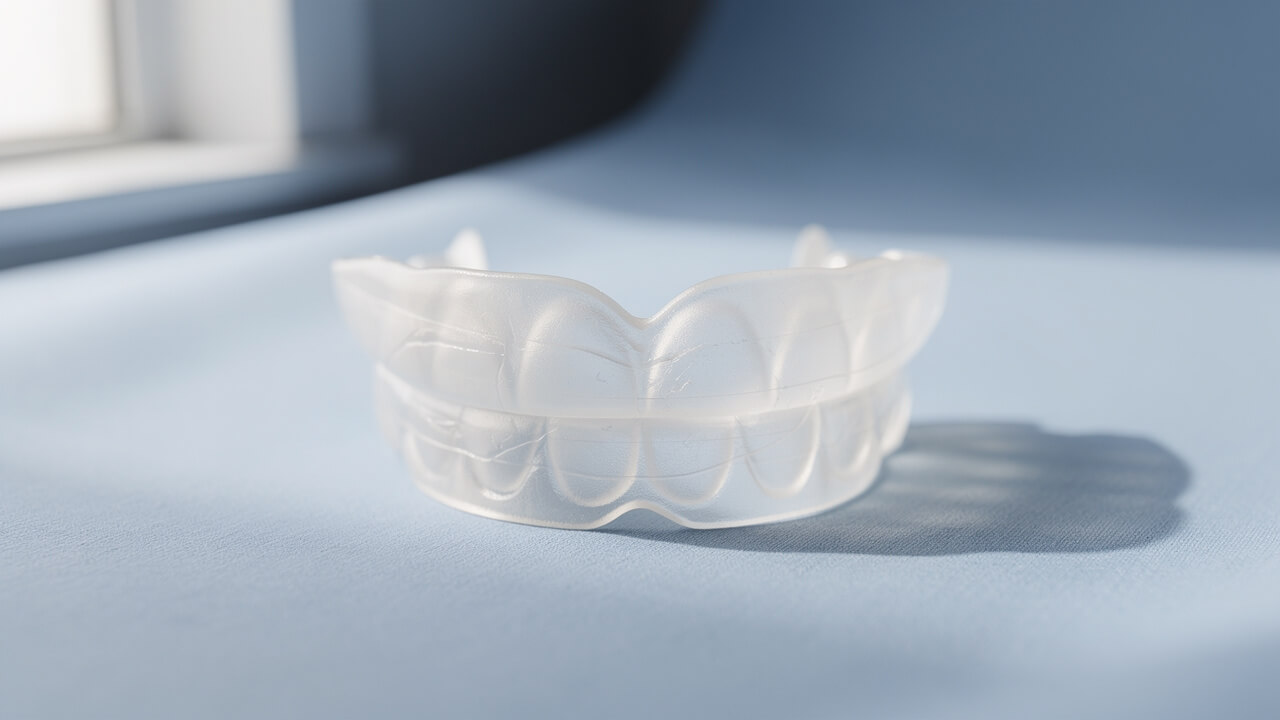
Our curated collection of mandibular advancement devices (MADs) like SnoreRx physically prevents your airway from collapsing by gently holding your lower jaw forward. This simple mechanical adjustment keeps your tongue and soft palate from blocking your throat, restoring the oxygen flow your body desperately needs.
SnoreRx features moldable copolymer material and micro-adjustability up to 6mm, allowing you to customize the fit for maximum comfort and compliance.
For those who prefer alternatives to traditional MADs, we review tongue retaining devices like the Good Morning Snore Solution (GMSS), which works by holding your tongue forward using gentle suction rather than jaw repositioning. This approach is particularly helpful for people with TMJ issues or dental work that makes jaw advancement uncomfortable.
We also feature smart sleep monitoring technology like Snorecoach—a Bluetooth wearable that tracks your sleep data and gently vibrates when you roll onto your back, training you to sleep on your side. Clinical data shows this device reduces snoring from 22% of the night to just 4% for positional snorers.
Paired with pulse oximeters that monitor overnight blood oxygen levels, you gain data-driven insights into your breathing patterns.
Nearly every device we recommend comes with a 100% money-back guarantee, allowing you to test options risk-free. Our reviews are backed by dental professionals like Dr. Tammy Balatgek (DDS, MS), providing you with credible guidance rooted in clinical expertise.
By restoring proper airflow and enabling deep, restorative sleep, these approaches directly prevent the cardiovascular damage, metabolic disruption, and cognitive decline that chronic snoring causes. You’re not just reducing noise—you’re protecting your heart, your brain, and your future.

When to Seek Professional Medical Evaluation
If you’re experiencing gasping for air during sleep, waking with severe morning headaches, or feeling dangerously drowsy during the day, professional evaluation is essential. These are red-flag symptoms that suggest your snoring has escalated to obstructive sleep apnea.
Sleep studies—whether conducted at home or in a lab—measure your breathing patterns, oxygen levels, and brain wave activity to distinguish primary snoring from OSA. Consider seeking evaluation if you experience:
Witnessed breathing pauses during sleep
Excessive daytime sleepiness affecting work or safety
Morning headaches that improve as the day progresses
Difficulty concentrating or memory problems
High blood pressure resistant to medication
Home studies are convenient but may miss mild cases. In-lab polysomnography is more sensitive and provides comprehensive data, including detailed brain wave analysis and body position monitoring.
Seeking help isn’t admitting defeat—it’s taking control. Many approaches, including CPAP therapy, custom oral appliances, and surgical interventions, are highly effective when properly diagnosed.
The key is acting before the damage becomes irreversible.
Frequently Asked Questions
The Bottom Line: Your Health Is Worth the Effort
Chronic snoring isn’t a character flaw or something to tolerate. It’s a medical condition with severe, life-threatening consequences that demands immediate attention.
Your instinct to seek answers isn’t overreacting—it’s potentially life-saving.
Effective, non-invasive options exist. They’re accessible, affordable, and backed by clinical research.
Devices like SnoreRx, smart monitors like Snorecoach, and comprehensive resources from Snoring HQ give you the tools to reclaim deep, restorative sleep and protect your long-term health.
Start by exploring Snoring HQ’s unbiased reviews and selecting a risk-free device trial. Your heart, your brain, and your relationships will thank you.
Reclaiming your health isn’t just possible—it’s within reach right now.
The science is clear: addressing chronic snoring can add years to your life and life to your years.
Don’t wait for a health crisis to force action. Take control tonight, and wake up tomorrow ready to live the life you deserve.