


Snoring and Diabetes: How Sleep Disruption Raises Blood Sugar
You’ve been told your snoring is just annoying. Your partner complains, sure, but you suspect something deeper is wrong.
You wake up exhausted, crave sugary foods by mid-morning, and wonder why your energy never recovers.
Here’s what your doctor might not have told you: habitual snoring isn’t just a noise problem—it’s a metabolic alarm bell.
Research confirms your suspicions. People with obstructive sleep apnea are nine times more likely to develop diabetes than those who sleep soundly. Even if you’re not overweight, snoring three or more nights per week significantly raises your blood sugar and insulin resistance.
The good news? You don’t need expensive medical interventions to start protecting your health.
This article reveals the scientifically validated connection between disrupted sleep and elevated glucose levels, then shows you practical, affordable options that address both your snoring and your metabolic risk.
You deserve rest that protects your long-term health—and you can start tonight.
Key Takeaways
Snoring triggers intermittent oxygen deprivation, which releases cortisol and directly antagonizes insulin function
Habitual snorers (≥3 nights/week) face 1.84 times higher prediabetes risk and 2.24 times higher type 2 diabetes risk
Sleep fragmentation creates pro-inflammatory conditions that damage your pancreas’s ability to regulate blood sugar
Mandibular advancement devices like SnoreRx offer clinically validated alternatives to CPAP machines
Treating snoring is a metabolic health intervention with measurable impact on insulin sensitivity
How Snoring Physically Disrupts Your Blood Sugar Regulation
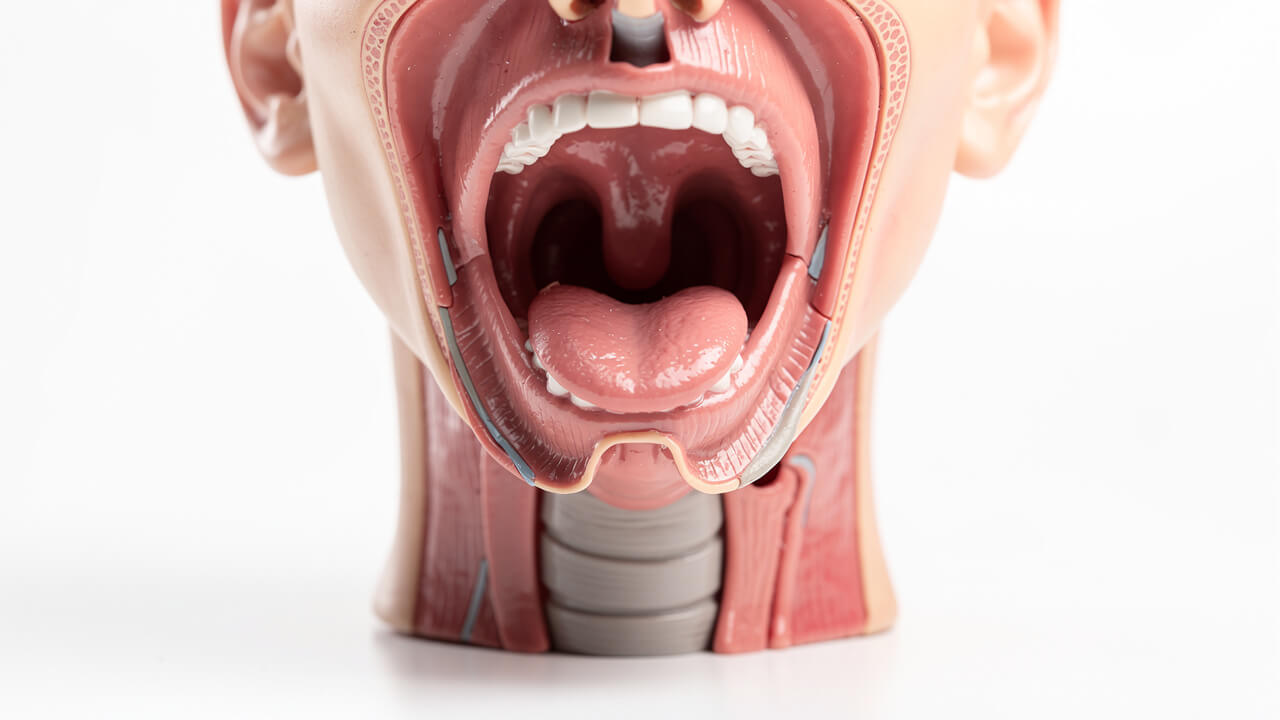
Every time your airway collapses during sleep, your body experiences a cascade of metabolic disruptions that directly sabotage your glucose control. This isn’t speculation—it’s measurable, repeatable physiology that affects millions of snorers every night.
When you snore, your upper airway narrows or closes repeatedly. This creates intermittent hypoxia—periods where your blood oxygen levels drop dangerously low.
Your body interprets this as a survival threat and floods your system with cortisol, the stress hormone that tells your liver to release stored glucose. This cortisol surge directly antagonizes insulin, making your cells resistant to the very hormone that should be lowering your blood sugar.
The damage compounds through inflammation. Each time you gasp for air and jolt partially awake (even if you don’t remember it), your body releases inflammatory markers like:
C-reactive protein
Interleukin-6
Fibrinogen
These chemicals attack the beta cells in your pancreas—the specialized cells that produce insulin. Over weeks and months, this inflammatory assault degrades your pancreas’s ability to manufacture enough insulin to manage your blood sugar effectively.
The cycle of oxygen deprivation and re-oxygenation creates oxidative stress. Think of it like repeatedly revving a car engine from idle to redline.
The reactive oxygen species generated during these cycles damage cellular machinery throughout your body, including the delicate systems that regulate glucose metabolism.
Your hormones turn against you too. Poor sleep quality suppresses leptin (the hormone that signals fullness) and elevates ghrelin (the hormone that triggers hunger). This hormonal imbalance explains why you crave donuts and sugary coffee after a night of disrupted sleep.
You’re not weak—your snoring has chemically reprogrammed your appetite to seek quick energy from high-sugar foods, which spike your glucose and perpetuate insulin resistance.
“The ‘dawn phenomenon’ many diabetics experience—waking up with elevated blood sugar and crushing fatigue—often stems from snoring-induced metabolic storms during sleep.”
The Graded Risk: How Snoring Frequency and Intensity Predict Your Diabetes Odds
Not all snoring carries equal metabolic danger. Research from the Cardiovascular and Metabolic Diseases Etiology Research Center reveals a dose-response relationship: the more frequently and loudly you snore, the higher your diabetes risk climbs.
Occasional snorers (one to two nights per week) show moderately elevated risk. Their bodies experience metabolic disruption, but they get enough recovery nights to partially compensate.
Habitual snorers—those who snore three or more nights weekly—cross into high-risk territory. Studies show they face approximately 30 to 40 percent increased odds of developing prediabetes compared to non-snorers.
Daily snorers occupy the highest risk category. People who snore nearly every night show odds ratios exceeding 2.0 for type 2 diabetes.
The loudest snorers (those whose snoring is audible in adjacent rooms) face 1.84 times higher risk for prediabetes and 2.24 times higher risk for full diabetes compared to people who don’t snore.
Volume matters because it correlates with airway resistance. Louder snoring typically indicates more severe obstruction, which means more profound oxygen desaturation and more aggressive cortisol and inflammatory responses.
Your partner’s complaints about your snoring volume aren’t just about their comfort—they’re inadvertently diagnosing the severity of your metabolic risk.
The most alarming pattern is “disrupted breathing”—when your partner witnesses you stop breathing, gasp, or choke during sleep. This indicates apneic events where your airway completely closes.
People with near-daily disrupted breathing face 2.18 times higher diabetes odds. These witnessed pauses represent severe hypoxic episodes that inflict maximum metabolic damage.
Here’s what surprises most people: these risks persist even in non-obese individuals with normal blood pressure. Research on adults with BMI under 25 kg/m² confirms that habitual snoring independently elevates HbA1c levels and diabetes risk.
Your airway obstruction alone—separate from body weight—is sufficient to destabilize your glucose regulation.

Breaking the Vicious Cycle: Why Poor Sleep and High Blood Sugar Feed Each Other
You’re trapped in a metabolic feedback loop that feels impossible to escape. Poor sleep raises your blood sugar, which then further disrupts your sleep architecture, creating progressively worse outcomes each night.
When your blood sugar runs high, your kidneys work overtime to filter excess glucose into your urine. This makes you wake repeatedly to urinate, fragmenting whatever sleep you manage between snoring episodes.
Elevated glucose also triggers thirst, prompting more nighttime bathroom trips. Your sleep becomes a series of interrupted segments rather than the continuous, restorative rest your metabolism requires.
Sleep deprivation chemically reprograms your food preferences. After a night of disrupted sleep, your brain’s reward centers light up more intensely for high-calorie, sugary foods.
This isn’t a character flaw—it’s your hypothalamus desperately seeking quick energy to compensate for the metabolic chaos your snoring created. You eat foods that spike your glucose, which worsens your insulin resistance, which makes your sleep even worse the following night.
The insulin data is particularly striking. Research shows that short sleepers (those getting under 6.5 hours of quality sleep) secrete approximately 50 percent more insulin than adequate sleepers.
Your pancreas is working overtime, pumping out extra insulin to overcome the resistance your sleep deprivation created. This hyperinsulinemia accelerates your path toward pancreatic exhaustion and eventual type 2 diabetes.
Fatigue compounds the problem behaviorally. When you’re exhausted from poor sleep, you lack the energy for energy for exercise and healthy meal preparation.
You skip the gym, order takeout, and make survival-mode food choices that prioritize convenience over nutrition. Each of these decisions—driven by snoring-induced exhaustion—pushes your blood sugar higher.
The encouraging truth? This cycle has multiple intervention points. You don’t need to fix everything simultaneously.
Addressing your snoring alone can trigger a cascade of positive changes: better sleep quality leads to improved insulin sensitivity, which stabilizes your blood sugar, which improves your sleep architecture, which reduces inflammation, which supports your pancreatic function.
Breaking the cycle at any point creates momentum toward metabolic recovery.
Accessible Options That Address Both Snoring and Metabolic Health
You don’t need to resign yourself to expensive CPAP machines or invasive surgery. Practical, affordable alternatives exist that address both your snoring and its metabolic consequences—and most come with risk-free trial periods.
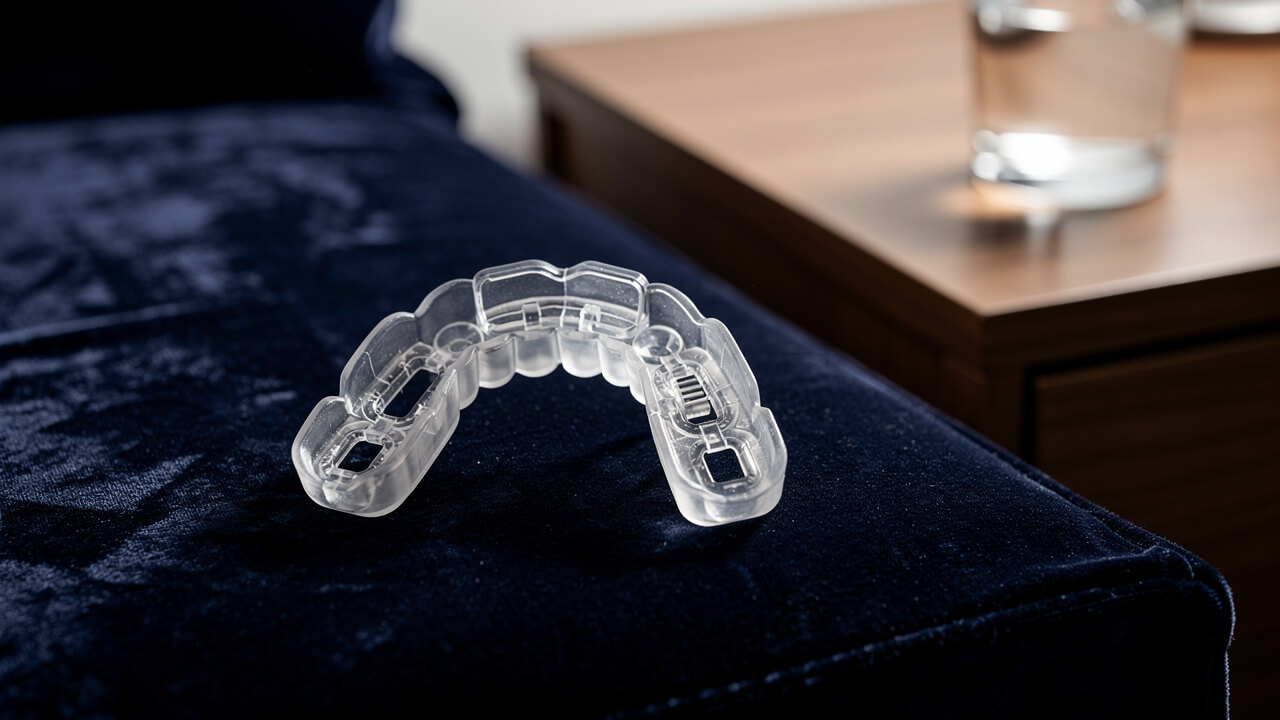
Mandibular advancement devices (MADs) (MADs) represent the most clinically validated CPAP alternative. These custom-fit mouthpieces reposition your lower jaw slightly forward during sleep, which opens your upper airway and prevents the tissue collapse that causes snoring.
By maintaining steady breathing throughout the night, MADs eliminate the hypoxic episodes that trigger cortisol release and insulin resistance.
SnoreRx stands as Snoring HQ’s founder’s personal choice and has been independently tested by sleep centers and sleep apnea dentists. It offers micro-adjustability (allowing 1mm increments across 10mm of total range), providing you the ability to fine-tune the jaw positioning for optimal airway opening.
The device comes with a 30-day money-back guarantee, letting you test whether it resolves your snoring without financial risk. Clinical reviews from dental professionals like Dr. Tammy Balatgek (DDS, MS) (DDS, MS) confirm its effectiveness for moderate-to-loud snorers.
VitalSleep and Zyppah provide additional adjustable MAD options, each with their own design advantages:
VitalSleep offers separate sizing for men and women and includes a 60-day guarantee
Zyppah incorporates a stabilizing strap that prevents tongue-based airway obstruction—particularly useful for allergy-related snorers
Both devices restore breathing quality that supports healthier glucose regulation.
For mild-to-moderate snorers seeking non-intrusive approaches, the Nitetronic Goodnite™ Anti-Snore Pillow offers a different method. This intelligently designed pillow maintains proper head and neck alignment, keeping your airway naturally open throughout the night.
Users report snoring reductions up to 70 percent. While less powerful than MADs for severe cases, anti-snore pillows work well for early-stage snorers and can be combined with other interventions.
The accessibility advantage matters tremendously. Unlike CPAP machines (which cost thousands of dollars and require ongoing supplies), these devices range from moderate to affordable prices and come with generous trial periods.
You can test SnoreRx, VitalSleep, or an anti-snore pillow in your own home for 30 to 60 days. If the device doesn’t improve your sleep quality and reduce your snoring, you return it for a full refund.
Combination approaches often produce the best results. Pairing a MAD with positional therapy (training yourself to sleep on your side using specialized pillows or wearable devices) improves airway patency.
Adding nasal strips like Breathe Right can further improve airflow if you have any nasal congestion. Some users benefit from combining a MAD with an essential oil humidifier to keep throat tissues hydrated and reduce inflammation.
The key is consistent use. A moderately effective device you wear every night outperforms a highly effective device you abandon after two weeks.
The 30-to-60-day guarantees give you enough time to adjust to wearing the device and accurately assess its impact on both your snoring and your morning energy levels—an indirect but meaningful indicator of improved metabolic function.

When to Seek Professional Diagnosis and Medical Support
Self-directed approaches work well for many snorers, but certain red flags warrant professional sleep evaluation before you invest in devices or delay treatment.
If you snore three or more nights per week, you’ve crossed into habitual snoring territory where diabetes risk significantly elevates. This frequency alone justifies a conversation with your primary care physician about screening for prediabetes (fasting glucose test) and potentially referring you for a sleep study.
Witnessed breathing pauses represent the most urgent warning sign. If your partner reports that you stop breathing, gasp, or choke during sleep, you likely have obstructive sleep apnea rather than simple snoring.
These apneic events indicate complete airway closure and require professional diagnosis. A sleep center can conduct either an in-lab polysomnography or provide a take-home sleep test that measures your oxygen saturation, breathing patterns, and sleep architecture.
Excessive daytime sleepiness—the kind where you struggle to stay awake during meetings or feel unsafe driving—suggests your sleep disruption has reached clinically significant levels.
Similarly, if you wake feeling unrefreshed despite spending adequate time in bed, your sleep quality is severely compromised. Both symptoms warrant professional evaluation.
Moderate-to-loud snorers should consider consultation with a sleep-certified dentist before selecting a device. These specialists can assess your airway anatomy, identify any structural issues (like a severely recessed jaw or enlarged tonsils), and recommend whether a MAD is appropriate or whether you need more aggressive intervention.
For habitual snorers, early screening for prediabetes is critical. A simple fasting glucose test or HbA1c measurement can reveal whether your snoring has already begun damaging your glucose metabolism.
If you’re prediabetic, treating your snoring becomes an urgent metabolic intervention, not just a comfort measure.
If you already have diagnosed diabetes and struggle to control your blood sugar despite medication and diet, unaddressed snoring may be the missing piece preventing you from reaching your target HbA1c levels.
Professional support doesn’t mean abandoning accessible options. Many sleep specialists and dentists recommend starting with MADs for mild-to-moderate OSA, reserving CPAP for severe cases or patients who don’t respond to oral appliance therapy.
The goal is matching the intervention to your specific severity level.
Final Thoughts: Your Sleep Is as Important as Your Diet in Controlling Blood Sugar
Treating your snoring isn’t vanity—it’s a proactive diabetes prevention and management strategy with measurable impact on insulin sensitivity and long-term metabolic health.
Fifty percent of the population snores at some point in their lives, making this one of the most widespread but addressable health issues in modern medicine. The difference between those who suffer progressive metabolic damage and those who protect their health often comes down to one decision: taking action to restore breathing quality during sleep.
You now understand the biological mechanisms connecting your snoring to elevated blood sugar. You know that habitual snoring independently raises diabetes risk even in non-obese individuals.
You’ve learned that accessible, affordable options exist—mandibular advancement devices, anti-snore pillows, and combination approaches—that can break the vicious cycle between poor sleep and insulin resistance.
The path forward is clear. Start with a risk-free option like SnoreRx or an anti-snore pillow that matches your snoring severity.
Use it consistently for 30 to 60 days while monitoring your morning energy levels and daytime sugar cravings. If symptoms persist despite device use, pursue formal sleep testing to rule out severe OSA requiring more aggressive treatment.
Your sleep quality directly influences your pancreatic function, inflammatory state, cortisol levels, and insulin sensitivity. Protecting your sleep protects your metabolic health.
The device you choose tonight could be the intervention that prevents you from joining the millions of Americans progressing from prediabetes to type 2 diabetes—simply because you addressed the breathing disruption that was sabotaging your glucose regulation while you slept.
Frequently Asked Questions

Are There Lifestyle Changes That Can Help Both My Snoring and Blood Sugar?
Absolutely. Side sleeping keeps your airway naturally open by preventing your tongue and soft palate from collapsing backward. Weight management through regular exercise reduces both mechanical airway obstruction and systemic insulin resistance.
Avoiding alcohol within three hours of bedtime prevents excessive muscle relaxation that worsens snoring. Throat exercises (like repeatedly pressing your tongue to the roof of your mouth) strengthen airway muscles.
Timing your meals matters too—avoiding large, high-sugar meals close to bedtime prevents both glucose spikes and the airway relaxation that follows heavy eating. Using dust-mite-resistant bedding and essential oil humidifiers keeps nasal passages clear and throat tissues hydrated.
Combining these lifestyle modifications with an anti-snoring device produces the most comprehensive improvement in both sleep quality and metabolic health.