

CPAP versus Oral Appliances for the Treatment of Snoring and Sleep Apnea
Key Takeaways
Key Takeaways
- CPAP is the stronger treatment for sleep apnea, and oral appliances are a solid second choice when you cannot or will not use it.
- Guidelines recommend oral appliances for people with primary snoring who want treatment, and for sleep apnea patients who cannot tolerate CPAP or prefer an alternative.
- In trials, CPAP lowered the apnea-hypopnea index (AHI) more, but sleepiness and quality of life improved about as much with either one.
- Custom, titratable appliances fitted by a qualified dentist are preferred over off-the-shelf devices for sleep apnea.
- Get a diagnosis first. Snoring can be the only sign of sleep apnea, and an appliance cannot tell you which one you have.
Snoring and sleep apnea are linked to high blood pressure and heart disease, depression, headaches, weight gain and daytime sleepiness. That is why treatment matters for you and for whoever shares your bed.
Your main options are a CPAP machine, an oral appliance, surgery, and weight loss. This guide compares CPAP and oral appliances head to head so you know what to ask your doctor.
What Does a CPAP Machine Do?
CPAP stands for continuous positive airway pressure. It is the standard treatment for obstructive sleep apnea (OSA).
A small motor pressurizes room air. A hose carries it to a mask, and the steady pressure keeps your airway from collapsing while you sleep.
Modern machines are quiet, and many people stop noticing the sound within a few nights. The harder part is the mask, since faces differ and a poor fit causes leaks and sore skin.
Our guide to CPAP mask types can help you narrow it down.
Some people struggle with dry mouth, nasal irritation, skin marks, or a feeling of being tethered. A better mask, a humidifier or a pressure change often helps, and you can read more in our guide to lowering your CPAP AHI.
What Is an Oral Appliance?
An oral appliance looks like an athletic mouth guard or an orthodontic retainer. The most common type is a mandibular advancement device (MAD), which holds your lower jaw slightly forward.
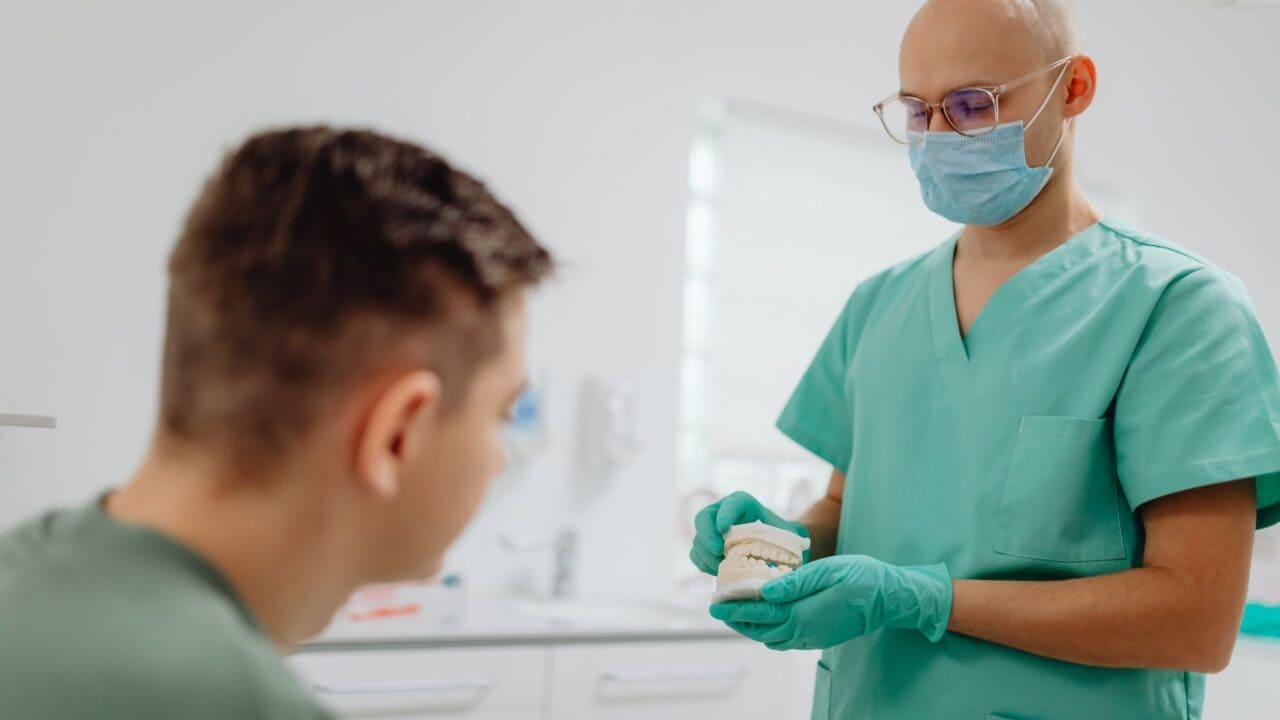
That position widens the space behind your tongue and reduces airway collapse and vibration. Our MAD vs TRD comparison covers how it differs from tongue-retaining devices.
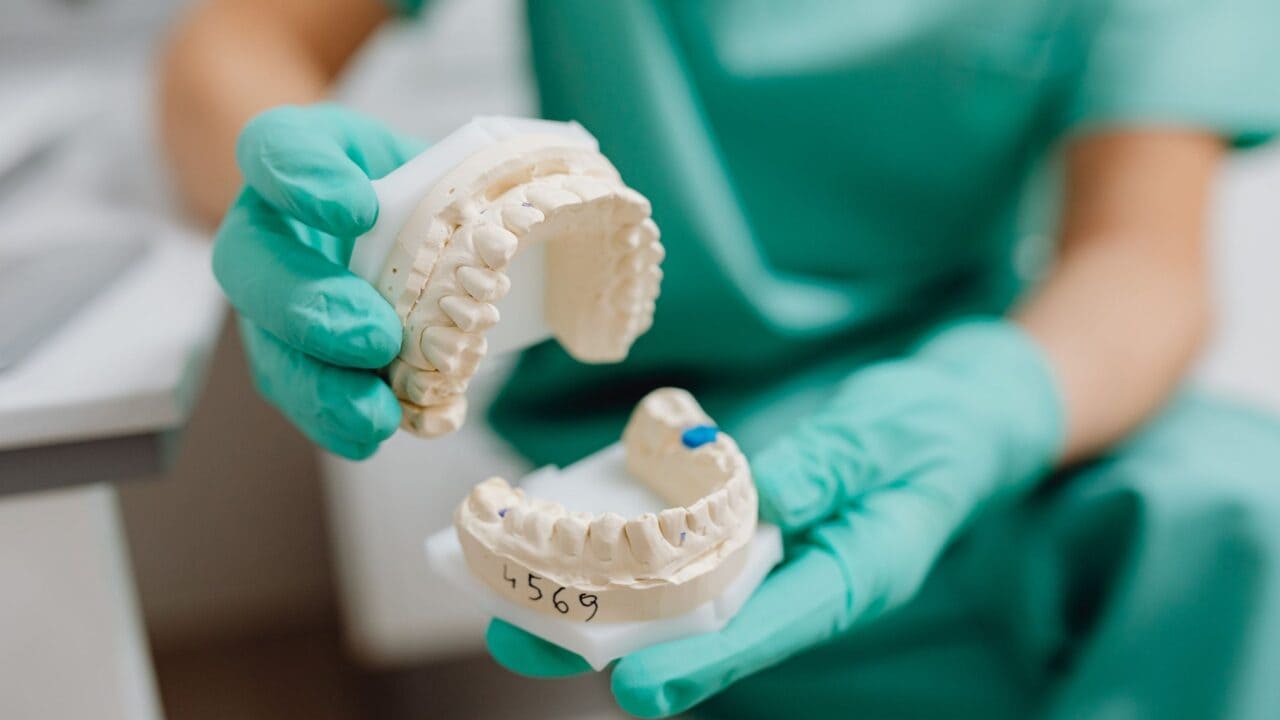
Custom devices are made by a dentist from impressions or scans of your teeth. Over-the-counter boil-and-bite devices, such as SnoreRx and Zyppah, are molded at home and sold mainly for snoring.
Fans of appliances like that they are small, quiet, portable and easy to clean. Our overview of oral appliances for sleep apnea goes deeper on types and fitting.
CPAP vs Oral Appliance: What Does the Evidence Say?
A meta-analysis of 77 randomized comparisons found that CPAP cut AHI by about 25 events per hour and oral appliances by about 9 events per hour. In head-to-head trials, AHI was 7 events per hour lower with CPAP (Sharples et al., Sleep Medicine Reviews).
That does not mean appliances fail. A pooled analysis of people with severe OSA found titratable appliances improved sleepiness and quality of life about as much as CPAP, while CPAP did better on AHI (Trzépizur et al., SLEEP 2021).
The same analysis found that adherence and preference were largely in favor of the appliance. A treatment you actually wear every night can beat a stronger one that stays in the drawer.
| Factor | CPAP | Oral appliance |
|---|---|---|
| Lowers AHI more | Yes | Less on average |
| Sleepiness and quality of life | Improves | Similar in trials |
| Adherence and preference | Often lower | Often higher |
| Best for | Moderate to severe OSA | Snoring, mild OSA, or CPAP intolerance |
| Common side effects | Dry mouth, leaks, nasal irritation | Jaw and tooth discomfort, bite changes |
| Setup | Prescription and machine | Dentist fitting and follow-up |
What Do the Guidelines Say?
The 2015 guideline from the American Academy of Sleep Medicine and the American Academy of Dental Sleep Medicine does not make oral appliances the first choice for everyone. It says CPAP should generally be the first-line option for OSA (Ramar et al., J Clin Sleep Med).
It does recommend that sleep physicians prescribe oral appliances, rather than no therapy, for adults who request treatment of primary snoring. It also recommends considering an appliance for adults with OSA who are intolerant of CPAP or prefer an alternative.
For sleep apnea, the guideline suggests a qualified dentist use a custom, titratable appliance rather than a non-custom device. It also suggests follow-up sleep testing and regular visits with your dentist and sleep physician.
How Do You Get a Custom Appliance?
- See your doctor or a sleep specialist for a diagnosis, because an appliance only treats sleep apnea after it is confirmed.
- Find a dentist with training in dental sleep medicine.
- Have an exam, imaging if needed, and impressions or digital scans of your teeth.
- Return for fitting and gradual adjustment of the jaw position.
- Repeat a sleep test with the appliance in place to confirm it works.
Plan on several visits. Our guide to what to expect at a sleep center explains the testing side.
What Are the Side Effects of Each?
Oral appliance users commonly report jaw or tooth discomfort and bite changes. CPAP users more often report dry mouth, nasal congestion and mask leaks.
Long-term appliance use can shift your teeth slightly, which is why dentist follow-up matters. Stop using a device and call your dentist if pain or a changing bite develops.
Which Should You Choose?
If you have moderate or severe sleep apnea, start with CPAP and give it a fair trial with a good mask. If you cannot tolerate it, ask about an appliance.
If you have snoring alone, or mild sleep apnea, an appliance is a reasonable place to begin.
Not sure which you have? Read how snoring differs from sleep apnea.
Conclusion
CPAP treats sleep apnea more powerfully, and an oral appliance treats it well enough for many people who will actually use it. Get tested, talk through both options, and choose the one you can stick with every night.
More On the Topic
- Oral appliance therapy clinical practice guideline (AASM and AADSM, 2015)
- Meta-analysis of MAD and CPAP trials (Sleep Medicine Reviews)
- CPAP vs MAD in severe OSA, individual participant data (SLEEP, 2021)
- CPAP Machine Guide: Types, Features and How They Work
This article is for general information and is not medical advice. Talk with your doctor or a sleep specialist about your diagnosis and treatment.