

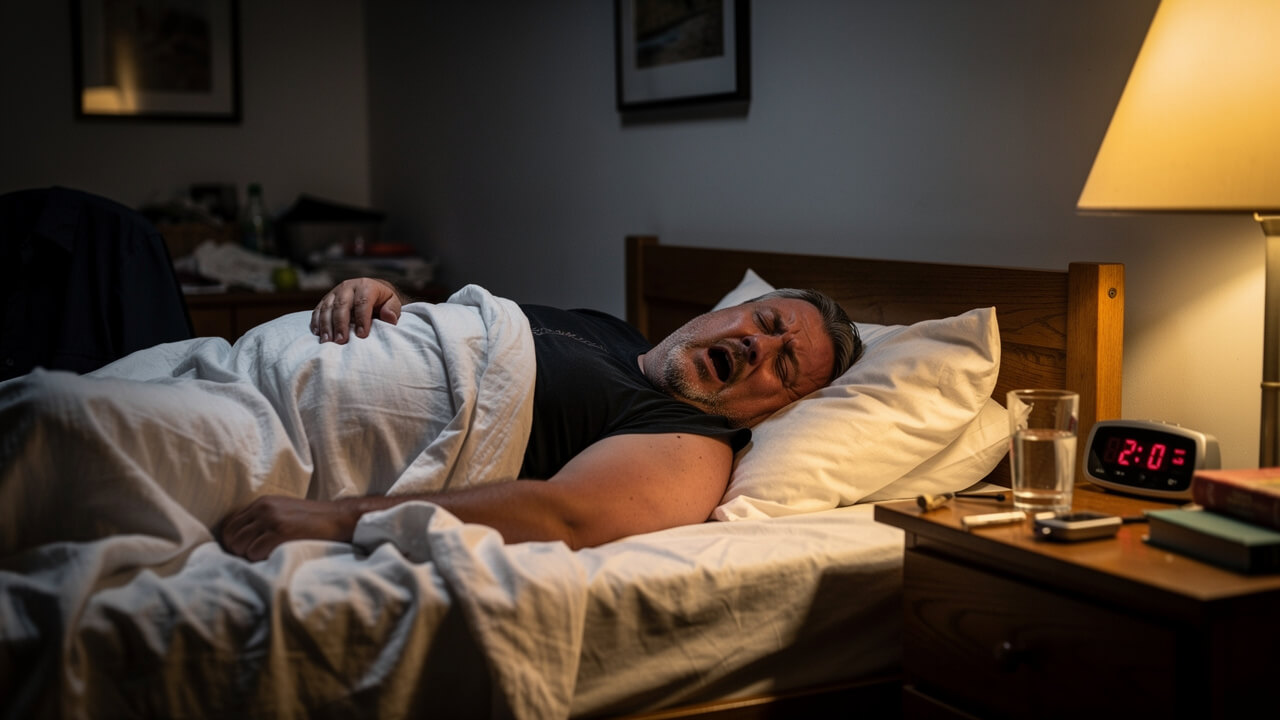
Snoring and Weight Gain: Breaking the Vicious Cycle
You’ve been doing everything right. You’re counting calories, hitting the gym when you can muster the energy, and yet the scale refuses to budge.
Meanwhile, you wake up every morning feeling like you’ve been hit by a truck, and your partner keeps nudging you awake because your snoring has become unbearable.
Here’s what nobody tells you: those two problems are feeding each other in a cycle that’s sabotaging your health. The extra weight around your neck is crushing your airway at night, causing you to snore.
But here’s the twist—that snoring is actively preventing you from losing weight by wrecking your metabolism and hijacking your hunger hormones.
According to the National Institutes of Health, 70% of patients with obstructive sleep apnea are obese, and nearly 95% of those with sleep apnea are chronic snorers.
This isn’t coincidence. It’s a biological trap that millions of Americans are stuck in without realizing it.
The good news? Once you understand how this cycle works, you can break it. And the answer might be simpler than you think.
Key Takeaways
Excess neck fat physically narrows your airway, creating the turbulent airflow that causes snoring
Sleep deprivation from snoring disrupts ghrelin and leptin—the hormones that control hunger and fullness
Chronic snoring can be a warning sign of obstructive sleep apnea, a serious condition requiring medical evaluation
Treating your airway obstruction first restores the energy and hormonal balance needed for successful weight loss
Adjustable oral appliances offer an effective, non-invasive option that works as your body changes
How Excess Weight Physically Causes Snoring
Think of your airway as a flexible garden hose. When everything’s working right, air flows through smoothly and silently.
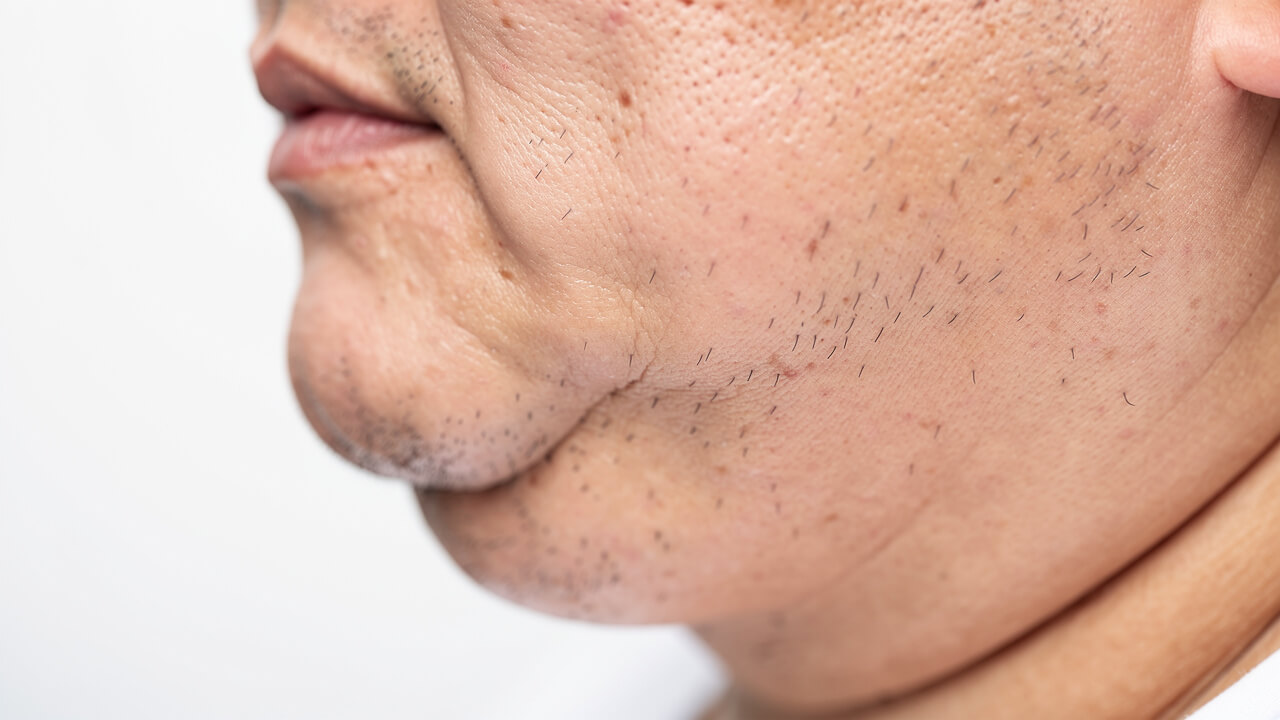
But when you gain weight, fat doesn’t just settle on your belly and thighs—it wraps around your neck and throat like an invisible hand squeezing that hose.
These fatty deposits create external pressure that narrows the internal diameter of your airway. Medical research from the Mayo Clinic confirms that even gaining 10 to 20 pounds can be the tipping point that transforms a silent sleeper into a chronic snorer.
The problem becomes most severe when you lie down. Gravity pulls those heavy tissues downward and inward, collapsing the airway walls like a deflated balloon.
As air struggles to pass through this narrowed passage, it moves faster and with more turbulence. This turbulent airflow causes your soft palate, uvula, and throat tissues to vibrate violently—producing that rattling, buzzing sound that drives your partner crazy and signals that your body is fighting for oxygen all night long.
But there’s another piece to this puzzle that makes everything worse. As you gain weight, fat doesn’t just add pressure from the outside—it actually displaces muscle tissue inside your throat. Your throat muscles lose their tone and become floppy.
During sleep, when all your muscles naturally relax, these weakened tissues are even more likely to collapse and vibrate.
Your abdominal weight plays a role too. Excess belly fat pushes your diaphragm upward, compressing your chest cavity and reducing your lung volume.
This makes it harder for your body to maintain the steady air pressure needed to keep your airway propped open. It’s like trying to keep a balloon inflated when someone’s sitting on your chest.
ENT specialists emphasize that neck circumference is one of the strongest predictors of snoring severity. The thicker your neck, the more likely you are to snore—and the louder that snoring will be.
This is why weight loss, even modest amounts, can produce dramatic improvements in breathing quality.
The Metabolic Trap: How Snoring Prevents Weight Loss
Here’s where things get truly frustrating. You might think, “Fine, I’ll just lose weight and the snoring will stop.” But your snoring is actively sabotaging every weight loss effort you make.
When you snore heavily, you never reach the deep, restorative stages of sleep your body desperately needs. You spend the night trapped in light, non-REM sleep, waking up dozens or even hundreds of times (often without remembering it) as your brain jolts you awake to resume breathing.
This sleep fragmentation leaves you exhausted, foggy, and irritable every single day.
That bone-deep exhaustion eliminates any motivation for physical activity. The idea of going to the gym feels impossible when you can barely drag yourself through your morning routine.
You choose the elevator over the stairs. You skip your evening walk. Your body enters survival mode, conserving every ounce of energy it can.
But the real damage happens at the hormonal level. A landmark study from the University of Chicago demonstrated that just a few nights of poor sleep cause measurable metabolic changes. Specifically, sleep deprivation wreaks havoc on two critical hormones: ghrelin and leptin.
Ghrelin is your hunger hormone—it signals your brain that you need food. When you’re sleep-deprived from snoring, your body cranks up ghrelin production, creating intense, almost uncontrollable cravings.
You find yourself raiding the pantry at 10 PM or stopping for fast food on the way home from work, even though you’re not genuinely hungry.
Leptin is your satiety hormone—it tells your brain when you’ve had enough to eat. Sleep deprivation suppresses leptin, so even after you’ve eaten a full meal, your brain never gets the “I’m full” signal. You keep eating because your body genuinely believes it’s still starving.
To make matters worse, your sleep-deprived body craves specific types of food: high-carbohydrate, high-sugar items that provide quick glucose spikes.
Your body is desperately trying to find energy anywhere it can since it’s not getting energy from restorative sleep. You’re not weak-willed—you’re fighting against powerful biological signals that are demanding you eat cookies, bread, and candy.
This creates a perfect storm:
You’re too exhausted to exercise
You’re constantly hungry
You never feel full
You’re craving the exact foods that pack on pounds
Meanwhile, the weight you gain makes your snoring worse, which further disrupts your sleep, which makes losing weight even harder. You’re trapped in a cycle that feeds on itself, and willpower alone can’t break it.

When Snoring Becomes Sleep Apnea: The Warning Signs
Not all snoring is created equal. There’s a critical difference between “primary snoring”—noisy breathing that’s annoying but not dangerous—and obstructive sleep apnea (OSA), a serious medical condition that requires immediate attention.
Sleep apnea occurs when your airway doesn’t just narrow—it collapses completely, stopping your breathing for ten seconds or longer. This can happen hundreds of times per night.
Each time it happens, your oxygen levels plummet and your brain has to wake you up to resume breathing. You’re essentially suffocating in your sleep, over and over again.
The connection between weight and sleep apnea is undeniable. According to the NIH, 40% of obese individuals suffer from OSA. If you’re overweight and snoring, you need to watch for these red flag symptoms that suggest your snoring has progressed to something more dangerous:
Your partner hears you gasping, choking, or snorting during sleep—sounds that indicate you’re fighting to breathe
You wake up with a pounding headache or a mouth so dry it feels like sandpaper
You experience excessive daytime fatigue despite spending eight hours in bed
You struggle with brain fog, memory problems, and difficulty concentrating at work
You might also notice underlying health conditions developing or worsening: high blood pressure that won’t respond to medication, Type II diabetes, or cardiovascular issues. Untreated sleep apnea linked to obesity is a known contributor to heart disease, stroke, and cognitive decline.
If you recognize these symptoms, you need to consult an ENT specialist or sleep-certified dentist immediately. They can perform a comprehensive evaluation, including a sleep study (polysomnography), to determine whether you have OSA and how severe it is.
Many patients can now complete these studies at home using portable monitoring equipment, making diagnosis more accessible than ever.
Breaking the Cycle: Approaches That Address Both Problems
The key to escaping this cycle is understanding that you need to attack both problems simultaneously—but in the right order. Trying to lose weight while your sleep is wrecked is like trying to run a marathon with a broken leg. You need to fix your breathing first.
At Snoring HQ, we’ve spent years reviewing and testing anti-snoring devices to identify what works for real people dealing with weight-related snoring. Our approach is straightforward: restore your airway, restore your sleep, and your body will finally have the energy and hormonal balance it needs to shed those extra pounds.
Our top recommendation for most people is a mandibular advancement device (MAD). These are custom-fit mouthpieces—like SnoreRx, ZQuiet, and Zyppah—that you mold to your teeth using a simple boil-and-bite process. Once fitted, the device gently holds your lower jaw in a slightly forward position throughout the night.
This forward positioning keeps your tongue and soft palate from collapsing backward into your throat. It physically opens your airway, allowing air to flow smoothly and silently. The result? You stop snoring, your oxygen levels stay stable, and you finally reach the deep, restorative REM sleep your body has been craving.
What makes these devices particularly valuable for people dealing with weight-related snoring is their adjustability. As you lose weight (or if your weight fluctuates), your neck anatomy changes.
The best MADs allow you to fine-tune the jaw advancement in small increments, providing maximum effectiveness regardless of where you are in your weight loss process.
For people who can’t tolerate having something attached to their teeth, we recommend tongue-retaining devices (TRDs). These comfortable alternatives gently hold your tongue in place using gentle suction, preventing it from blocking your airway without requiring any jaw adjustment.
Some of our customers prefer non-intrusive options like the Nitetronic goodnite™ anti-snore pillow. This smart pillow uses positional therapy—it gently inflates when it detects snoring, encouraging you to shift from your back to your side. Sleeping on your side prevents gravity from pulling your tongue and soft tissues backward.
For individuals who’ve been diagnosed with sleep apnea but can’t tolerate CPAP machines (and trust us, many overweight patients complain about the dry mouth, acne breakouts, and discomfort from those bulky masks and hoses), we guide them toward EPAP devices like Theravent.
These create gentle back-pressure that keeps the airway from collapsing without requiring electricity or complicated equipment.
The beauty of Snoring HQ’s approach is that we advocate for manufacturers offering 100% money-back guarantees.
We know that finding the right device often requires trial and error because everyone’s anatomy is different. We want you to feel confident experimenting until you find what works for your body.

Lifestyle Modifications That Support Both Goals
While anti-snoring devices provide immediate relief, combining them with smart lifestyle changes amplifies your results and helps you break the cycle permanently.
Start with sleep positioning. If you’re a back sleeper, you’re making your snoring worse. Use specialized side-sleeping pillows or even tennis balls sewn into the back of your pajamas to train yourself to stay on your side. This simple change can reduce snoring intensity by 50% or more.
Avoid alcohol and sedatives in the evening. These substances relax your throat muscles excessively, turning even mild airway narrowing into loud, disruptive snoring. If you’re serious about improving your sleep quality, skip the nightcap.
Stay hydrated throughout the day. When you’re dehydrated, the mucus in your nose and throat becomes thick and sticky, making airway obstruction worse. Drink plenty of water and consider using saline nasal rinses before bed to keep your passages clear.
If you suffer from allergies or chronic nasal congestion, address it aggressively. Blocked nasal passages force you to breathe through your mouth, which bypasses your nose’s natural filtration and humidification. This makes throat tissue vibration—and snoring—significantly worse.
Here’s the most important point: even losing 5% to 10% of your total body weight can dramatically improve your airway patency. As you shed pounds, the fat around your neck decreases, the external pressure on your airway lessens, and your breathing becomes easier.
The lifestyle modifications we’ve described become more effective as you lose weight, creating a positive feedback loop that replaces the cycle you’ve been trapped in.

Final Thoughts: Restoring Your Energy and Your Health
Breaking free from the snoring-weight cycle isn’t just about sleeping quietly—it’s about reclaiming your life. When you restore quality sleep by opening your airway, everything changes.
Your cortisol levels drop, eliminating those desperate sugar cravings that have been sabotaging your diet. Your ghrelin and leptin normalize, so you finally feel satisfied after meals instead of constantly hungry.
Most importantly, you wake up with actual energy—the kind of energy that makes exercise feel possible instead of punishing.
At Snoring HQ, we’ve built our reputation on providing honest, unbiased reviews that prioritize your needs over commercial interests. We understand that your anatomy is different from everyone else’s, which is why we emphasize risk-free trials and guided experimentation. Finding the right answer might take a few attempts, but when you do, the results are life-changing.
Your snoring isn’t a character flaw or something you just have to live with. It’s a treatable condition that’s holding you hostage in a cycle of exhaustion and weight gain.
By addressing your airway first—with the right device, the right lifestyle changes, and the right support—you can interrupt this cycle and finally achieve the peaceful sleep and metabolic health you deserve.
Your partner will sleep better too. And honestly, that might be the best part of all.