

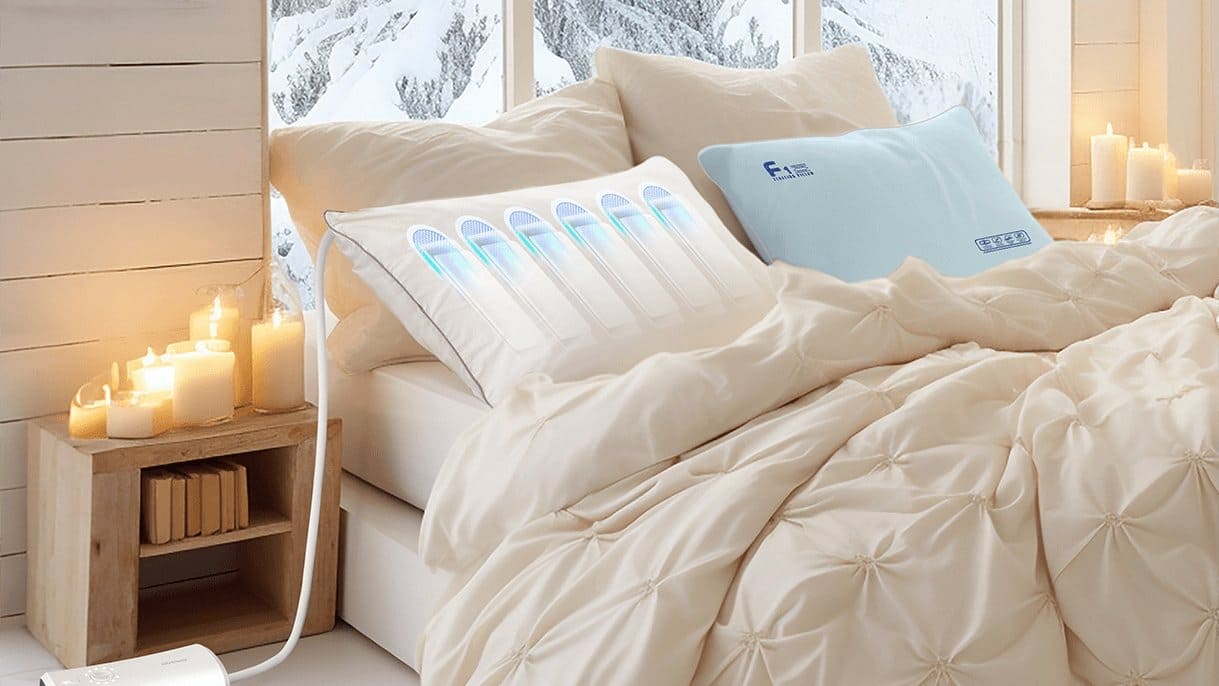
The Best Anti-Snoring Pillow
The best anti-snoring pillow for most people is a smart pillow that turns your head, and right now that means the Nitetronic Z6. The evidence is real but small, and a plain pillow may do little.
Here is what the studies show, what each kind of pillow costs, and who should skip pillows and see a doctor.
- Our pick: Nitetronic Z6 Smart Anti-Snore Pillow, about $549 as of October 2026.
- Budget pick: Nitetronic Z10 side-sleeping pillow, about $99.
- Best evidence: a randomized crossover trial of 22 snorers found that a head-turning pillow cut the measured snoring index.
- Not for everyone: a pilot study found a smart pillow did not help people with severe sleep apnea.
Do Anti-Snoring Pillows Work?
Some do, in small studies. A randomized crossover study of 22 snorers found that a pillow built to change head position lowered the snoring index measured in a sleep lab (p = 0.03), and bed partners agreed.
A 2021 pilot study of 30 patients found that a smart antisnore pillow improved snore and apnea-hypopnea indexes in mild-to-moderate sleep apnea. It did not help people with severe apnea.
A 2024 systematic review says positional devices, pillows included, can reduce snoring. It also notes discomfort in some sleeping positions and says head-to-head comparisons are missing.
Not every pillow passed. A 2004 randomized trial of 40 snorers tested a head-positioning pillow, a nasal strip and a throat spray, and found no objective or subjective benefit from any of them.
The crossover study’s abstract does not name the pillow brand, so treat it as evidence for the idea and not for one product. Results for plain head-positioning pillows are mixed at best.
Four Kinds of Anti-Snoring Pillow
The old version of this post said every anti-snoring pillow works by holding your tongue and jaw forward. That is not how the evidence describes them.
Positional pillows work by keeping you off your back or turning your head, which opens the airway for some sleepers. Here is how the types differ.
- Wedge pillows raise your upper body. We found no pillow-specific snoring trial for wedges.
- Side-sleeping and contour pillows make it easier to stay on your side. The Nitetronic Z10 is one example.
- Cervical and body pillows aim at neck comfort or side sleeping, and we found no snoring trials for most of them.
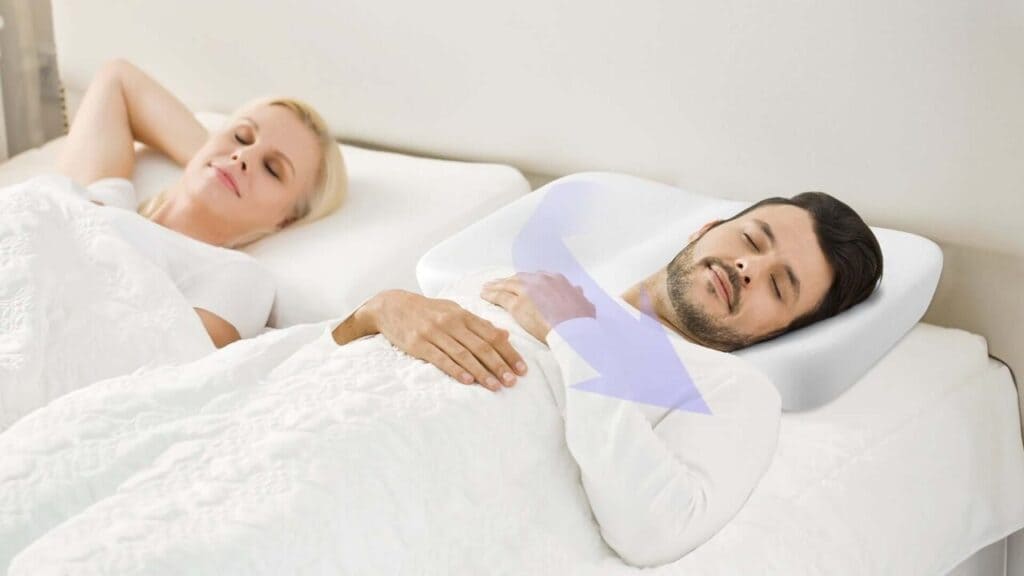
- Smart pillows listen for snoring and inflate air chambers to turn your head.
Our Pick: Nitetronic Z6 Smart Anti-Snore Pillow
The Nitetronic Z6 is the current flagship of the brand that made the goodnite pillow we once recommended. Nitetronic’s own page says it uses MEMS and position sensors to detect snoring and head position.
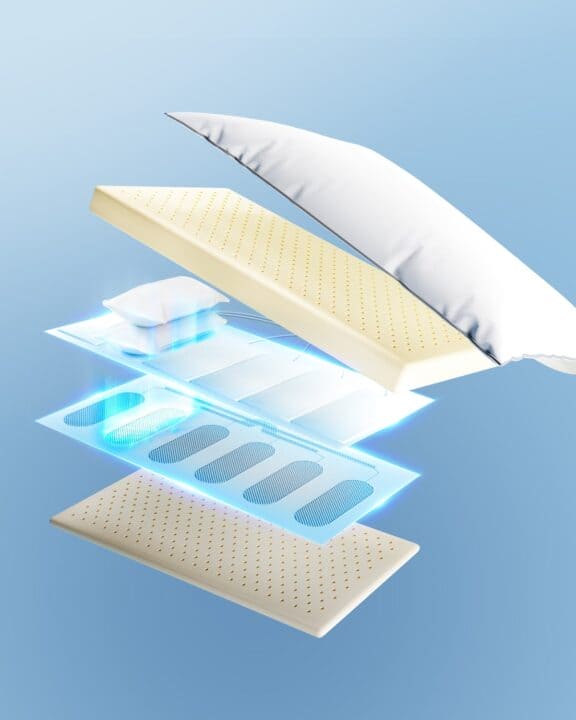
It puts six independent air chambers across the pillow, so the pump can turn your head wherever it rests. The height adjusts between 9 and 13 centimeters, and you can run it from the app or buttons on the pillow.
Nitetronic says the Z6 processes data locally and lets a family member view your data remotely. Those are the company’s claims, and we found no published trial of the Z6 itself.
The Z6 costs about $549, down from a regular $699, as of October 2026, with free US shipping and a 30-day trial listed on the product page. Our full Nitetronic pillow review covers how it feels to sleep on.
Other Nitetronic Pillows
Nitetronic’s current catalog lists several snoring pillows at different prices. Prices below are from its own site in October 2026 and change often.
- Z1 Smart Anti-Snore Pillow: about $499.
- A1 AI Anti-Snore Pillow: from about $359 for the 2026 version, with older listings from about $399 to $449.
- Z10 Side-Sleeping Anti-Snore Pillow: about $99, down from $139, with a central ridge and adjustable height. Nitetronic says to give it 7 to 14 nights before judging it.
Buy any of them through our Nitetronic link.
Comparing smart pillows? We put Nitetronic next to a rival in Nitetronic vs. Smart Nora.
What Happened to the goodnite Pillow?
This post used to crown the goodnite, and it quoted a 2014 clinic study of 157 patients where everyone improved. We could not verify that claim, so we dropped it.
The goodnite does not appear in Nitetronic’s current catalog, and the newer pillows use a newer app. Our Nitelink2 app review explains the old and new apps.
The old post also said the pillow has no side effects and works in any sleeping position. No source we found supports either claim, so both are gone.
Who Should Skip a Pillow and See a Doctor
Loud snoring with gasping, choking or long pauses in breathing is a reason for a sleep study, not a pillow. The 2021 pilot above found no benefit in severe apnea.
The authors of that pilot call CPAP the gold-standard treatment for sleep apnea. The 2024 review adds that head-to-head comparisons between positional devices are still missing.
If your snoring is simple and mild, try a pillow alongside the habits in our guide to natural remedies for snoring. Browse more fixes in our snoring aids guides.
How to Choose
- Do you snore on your back? A positional pillow is most likely to help if you do.
- Do you want data? A smart pillow with an app logs snoring, but check the app reviews first.
- Are you on a budget? Start with a contour pillow and a trial period.
- Do you have sleep apnea? Ask your doctor before you rely on any pillow.
The Verdict
For most snorers who want to try a pillow, the Nitetronic Z6 is our pick, and the Z10 is the cheap way in. Use the trial period, track your snoring for a week, and skip the pillow if your partner still hears it.
Treat any claim that a pillow cures snoring as marketing. The best evidence says it helps some people some of the time.