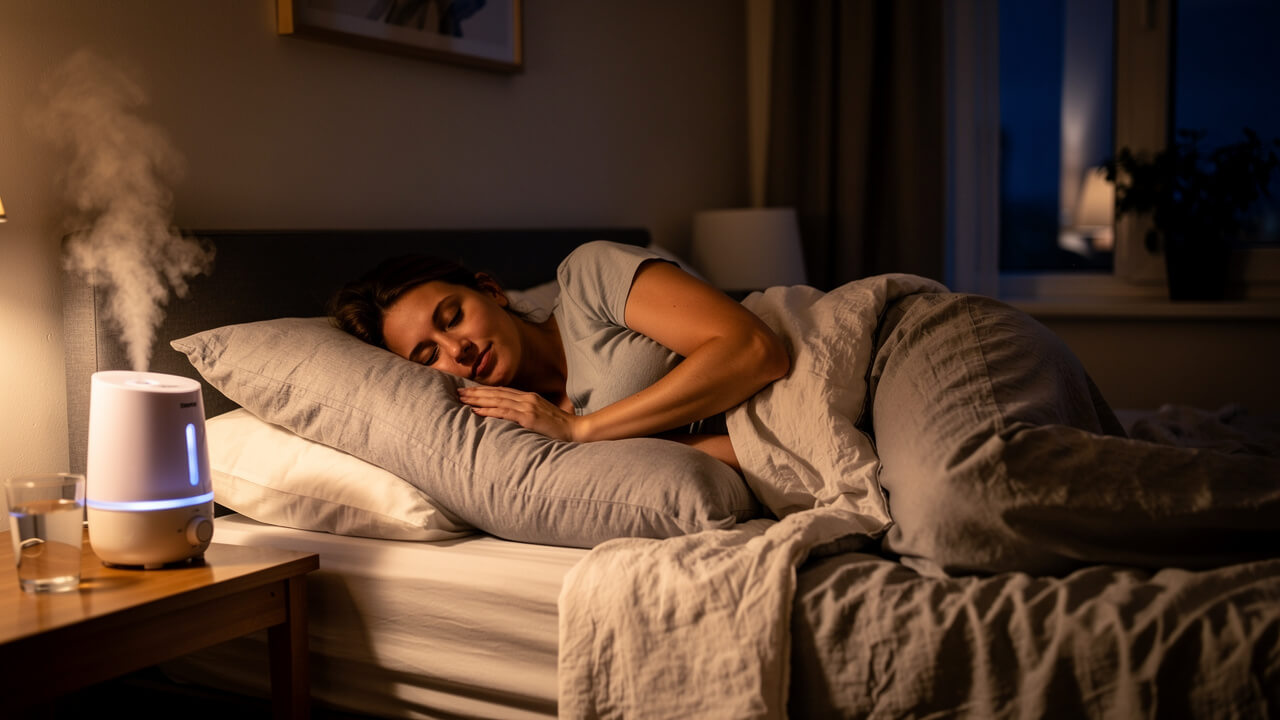


Snoring During Pregnancy: Causes, Risks & Safe Solutions
You never snored before.
Now, halfway through your second trimester, your partner gently nudges you awake at 2 a.m., whispering that you’re “sawing logs.” You’re exhausted, confused, and maybe a little embarrassed.
This wasn’t part of the pregnancy plan.
Here’s the truth: snoring during pregnancy affects between 12% and 45% of expectant mothers. Your body is undergoing profound physiological changes—hormonal surges, weight gain, fluid retention—that create a “perfect storm” for airway obstruction.
While often dismissed as a minor nuisance, pregnancy snoring can signal risks like preeclampsia, gestational diabetes, and obstructive sleep apnea.
Let’s look at the biological mechanisms behind pregnancy snoring, the potential health implications for you and your baby, and safe, effective methods that actually work. From positional therapy to nasal dilators to medical interventions, you’ll discover evidence-based strategies to reclaim restful sleep.
You’re not alone in this. We’ll tackle it together.
Key Takeaways
Pregnancy snoring affects 12-45% of expectant mothers due to hormonal changes, weight gain, and airway narrowing
While isolated snoring may be benign, it can signal risks like preeclampsia, gestational diabetes, and sleep apnea
Left-side sleeping, nasal dilators, and positional aids are safe, effective first-line approaches
Medical intervention (CPAP therapy) is necessary when snoring escalates to obstructive sleep apnea
Partners play an important role in monitoring symptoms and supporting safe sleep practices
Why Does Pregnancy Cause Snoring? Understanding the Physiological Changes
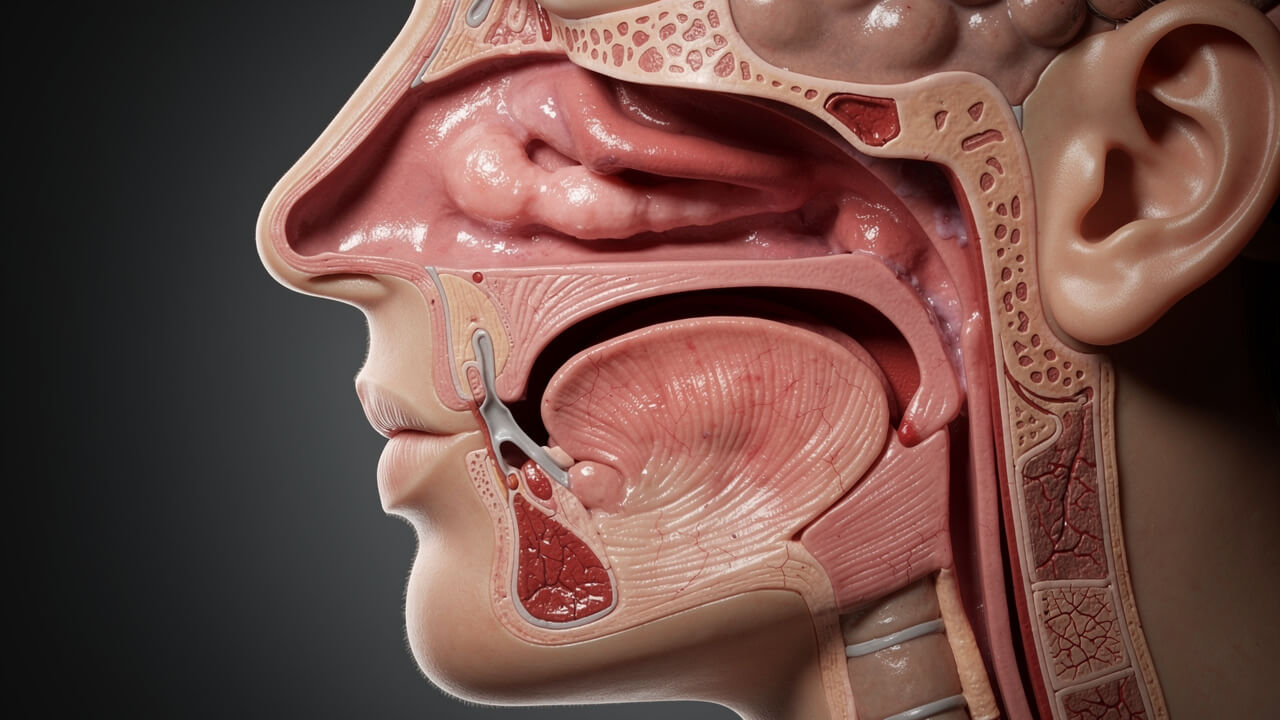
Snoring during pregnancy is the direct result of your airway becoming narrower—imagine a garden hose that’s been kinked. When air struggles to flow through this restricted passage, the tissues in your throat vibrate, creating that familiar rumbling sound.
Three major physiological shifts conspire to create this obstruction.
Hormonal surges are the primary culprits. Elevated estrogen and progesterone levels increase blood flow to your mucous membranes, causing significant nasal congestion known as pregnancy rhinitis.
According to the American Pregnancy Association, this chronic stuffiness affects up to 30% of pregnant women. Your nasal passages swell, forcing you to breathe through your mouth at night, which increases tissue vibration in your throat.
Progesterone also acts as a muscle relaxant. While this helps prepare your pelvis for childbirth, it simultaneously softens the muscles in your upper airway. The hormone relaxin compounds this effect, allowing your tongue and soft palate to sag backward into your throat during sleep.
Physical changes add external pressure. Necessary pregnancy weight gain increases soft tissue mass around your neck and chest, putting direct pressure on your airway from the outside. Fluid retention (edema) narrows the internal diameter of your throat.
Research from the National Sleep Foundation shows that women who gain excessive weight during pregnancy face a threefold higher risk of developing sleep-disordered breathing.
Anatomical shifts reduce lung capacity. As your uterus expands, it elevates your diaphragm, reducing your functional residual capacity by approximately 20% at term.
This reduction decreases what’s called “caudal traction”—the downward pull that normally keeps your trachea and upper airway open. With less lung volume, your airway becomes more prone to collapse during sleep.
Think of it this way: your airway is a flexible tube held open by surrounding structures. Pregnancy swells the tube’s walls from the inside, adds pressure from the outside, and reduces the tension that keeps it taut. The result? Vibration and noise.
“Understanding the physiological changes during pregnancy helps expectant mothers recognize that snoring is often a temporary condition tied to natural bodily adaptations, not a permanent sleep disorder.” — Sleep Medicine Specialist
The good news? These changes are temporary. Most women find their snoring resolves within weeks after delivery, once hormone levels normalize and fluid retention subsides.

What Are the Health Risks of Snoring During Pregnancy for Mother and Baby?
Snoring during pregnancy exists on a spectrum. At one end sits isolated snoring—partial airflow limitation that’s often benign. At the other end lurks obstructive sleep apnea (OSA), a serious condition characterized by complete breathing pauses and oxygen desaturation.
Understanding the distinction is critical.
Isolated snoring typically doesn’t cause oxygen desaturation. Research published in the Journal of Clinical Sleep Medicine found that “non-apneic” snorers generally maintain normal blood oxygen levels throughout the night.
A study examining maternal serum markers (PAPP-A, AFP, uE3) showed that isolated snoring didn’t significantly alter markers of fetal or placental wellbeing, suggesting that partial airflow limitation alone isn’t severe enough to directly impair placental function.
However, habitual snoring is a red flag for complications. Women who snore frequently (3-4 times per week) or always (5-7 times per week) face significantly higher risks.
According to a comprehensive study in the American Journal of Obstetrics and Gynecology, habitual snorers show a two to three-fold increase in pregnancy-induced hypertension and preeclampsia. They also face a nearly threefold higher risk of developing gestational diabetes.
Clinical data reveals that snorers have higher rates of Cesarean deliveries and are more likely to deliver Large for Gestational Age (LGA) infants, likely correlated with the increased prevalence of gestational diabetes in this group.
The timing of snoring matters. “Pregnancy-onset” snoring—snoring that begins during pregnancy—is most strongly associated with hypertension and preeclampsia. “Chronic snorers”—women who snored before conception—are statistically more likely to deliver Small for Gestational Age (SGA) infants, potentially reflecting long-term underlying vascular or respiratory issues.
Obstructive sleep apnea poses serious threats. OSA involves recurrent complete or partial airway obstructions that lead to oxygen desaturations (hypoxia) and frequent arousals from sleep. Unlike isolated snoring, OSA is strongly linked to decreased levels of unconjugated estriol (uE3) and PAPP-A, indicating placental hypoxia and angiogenic disequilibrium.
Studies show OSA increases the risk of preterm birth and lower APGAR scores. Evidence of increased fetal erythropoiesis (a marker of fetal distress) has been found in the cord blood of infants born to mothers with severe sleep-disordered breathing.
Watch for these red flag symptoms:
Gasping or choking during sleep
Witnessed breathing pauses (apneas) lasting 10 seconds or more
Excessive daytime sleepiness that interferes with daily tasks or safe driving
Morning headaches (often a sign of nighttime oxygen deprivation)
Sudden spikes in blood pressure
Significant swelling in hands and face
If you experience any of these symptoms, contact your healthcare provider immediately. Early intervention protects both your cardiovascular health and your baby’s development.
Safe, Effective Methods: How to Reduce Snoring During Pregnancy
You don’t have to suffer through sleepless nights. Evidence-based, non-invasive approaches can significantly reduce or eliminate pregnancy snoring, helping you reclaim the rest you desperately need.
Positional Therapy and Sleep Aids
Sleeping on your back is your airway’s worst enemy. Gravity pulls your tongue and soft palate backward, obstructing your throat. Research from the Sleep Research Society shows that the Apnea-Hypopnea Index (AHI) in a supine (back-sleeping) position is often more than double that of a lateral (side-sleeping) position.
The left-side sleeping position is the gold standard. This position maximizes blood flow to your placenta (the uterus doesn’t compress your inferior vena cava) and keeps your airway as open as possible. Clinical trials demonstrate that side-sleeping alone can reduce snoring events by up to 50%.
Staying on your side all night is easier said than done. Your body naturally shifts positions during sleep.
Positional aids make all the difference. At Snoring HQ, we rigorously test anti-snore pillows and body pillows designed to maintain side-sleeping throughout the night.
The SONA Pillow, one of our top-reviewed products, features a design with a center cavity that encourages side or stomach sleeping while supporting your head and neck. In clinical trials, the SONA pillow eliminated snoring in up to 60% of mild-to-moderate cases.
Full-length body pillows provide support along your entire body, preventing you from rolling onto your back. Tuck one behind your back and hug another in front—this creates a “pillow fortress” that naturally maintains side-sleeping position.
Wedge pillows offer additional support. Elevating your head and upper shoulders by 4-6 inches prevents soft tissues from collapsing into your throat. Prospective trials show that inclined anti-snore pillows reduced snoring events by nearly half, with high short-term compliance rates (80-90%).
Nasal Dilators and Environmental Controls
Pregnancy rhinitis is a primary driver of snoring. When your nasal passages are congested, you’re forced to mouth breathing vs nasal breathing, which increases airway turbulence and tissue vibration.
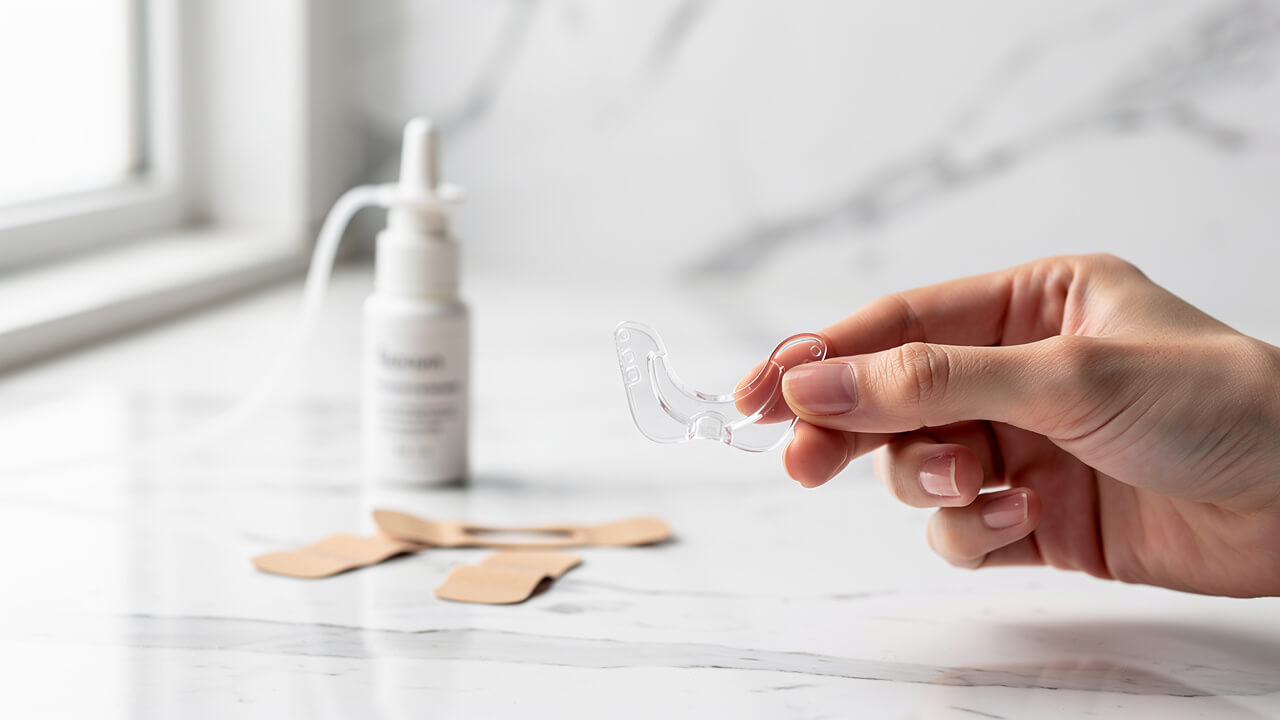
Mechanical nasal dilators are safe, drug-free options. At Snoring HQ, we recommend SnoreCare Nose Vents, which come in four customized sizes to gently expand your nasal passages from the inside. External nasal strips like Theravent physically lift the sides of your nose, opening your airways without medication.
These devices work by reducing air resistance in your nasal passages, encouraging nasal breathing instead of mouth breathing. They’re pregnancy-safe, non-invasive, and can be used every night without side effects.
Environmental adjustments soothe swollen tissues. Dry air irritates your respiratory tract and worsens congestion. A cool-mist humidifier adds moisture to your bedroom air, which soothes swollen nasal tissues and keeps mucus thin. According to the Mayo Clinic, maintaining indoor humidity between 30-50% can significantly reduce nasal congestion.
Clean your humidifier regularly to prevent mold or bacterial growth.
Saline nasal sprays offer additional relief. These pregnancy-approved sprays flush out irritants and thin mucus without medication. Use them before bed to clear your nasal passages for easier breathing throughout the night.
Lifestyle Adjustments and Healthy Habits
Small daily habits compound into significant improvements in airway health.
Hydration is your ally. Drinking plenty of water keeps the mucus in your nose and throat thin, reducing the “stickiness” that contributes to snoring sounds. Aim for at least eight glasses of water daily, more if you’re exercising or in hot weather.
Weight management matters. While pregnancy weight gain is necessary and healthy, staying within your healthcare provider’s recommended targets minimizes excess soft tissue accumulation around your neck and throat. Research from the American College of Obstetricians and Gynecologists shows that excessive weight gain significantly increases the risk of sleep-disordered breathing.
Avoid alcohol and sedatives entirely. These substances excessively relax throat muscles, turning mild snoring into severe obstruction. They should never be used during pregnancy unless specifically prescribed by your physician.
Limit evening caffeine. Keep total caffeine intake under 200mg per day (about one 12-ounce cup of coffee) and avoid it after 2 p.m. Caffeine can disrupt sleep architecture and reduce muscle tone in your upper airway.
Establish a consistent bedtime routine. Stress and irregular sleep schedules can worsen breathing irregularities. Going to bed and waking up at the same time each day helps regulate your body’s natural rhythms, improving overall sleep quality.
“Simple lifestyle modifications—proper hydration, side-sleeping, and maintaining recommended weight gain—can dramatically reduce pregnancy snoring without any medical intervention.” — Maternal-Fetal Medicine Expert

When to Seek Medical Help: Professional Treatments for Severe Snoring and Sleep Apnea
Home remedies work beautifully for mild to moderate snoring. But when snoring escalates to obstructive sleep apnea—or when lifestyle modifications fail to provide relief—medical intervention becomes necessary.
Recognize when it’s time to call your doctor. If you experience gasping or choking during sleep, if your partner witnesses breathing pauses, or if you’re so exhausted during the day that it interferes with safe functioning, you need professional evaluation. Morning headaches, sudden blood pressure spikes, and nightly loud snoring are additional warning signs.
Don’t wait. Early intervention protects both you and your baby.
CPAP therapy is the gold standard for OSA. Continuous Positive Airway Pressure (CPAP) machines deliver a steady stream of air through a mask, keeping your airway splinted open throughout the night. According to the American Academy of Sleep Medicine, CPAP is safe during pregnancy and significantly improves maternal blood pressure and fetal oxygenation.
CPAP eliminates the dangerous oxygen desaturations associated with sleep apnea, providing your baby with consistent oxygen supply. Many women find that CPAP not only stops their snoring but also dramatically improves their daytime energy levels.
Mandibular advancement devices offer an alternative. At Snoring HQ, we review adjustable mouthpieces like Zyppah and SnoreRx that gently move your lower jaw forward to keep your airway open. These custom-fitted devices can be highly effective for snoring and mild sleep apnea.
However, while MADs have proven success in the general population, they haven’t been medically tested specifically for pregnancy snoring. If you’re considering a MAD, consult your doctor first. Your healthcare provider can assess whether this option is appropriate for your specific situation.
Prescription medications may help severe rhinitis. For women with debilitating nasal congestion, doctors may prescribe pregnancy-safe nasal steroids or specific decongestants. These should never be used without professional approval, as many over-the-counter decongestants are not recommended during pregnancy.
Collaborative care is essential. Sleep specialists should work in tandem with your OB-GYN to make certain that any treatments for snoring or apnea are seamlessly incorporated into your overall prenatal health plan. This integrated approach protects your cardiovascular health while monitoring your baby’s development.
At Snoring HQ, our expert-backed research includes analysis of clinical trials and collaboration with dentists who review non-prescription options. We weigh the pros and cons of each device, helping you make informed decisions about your sleep health.
Most pregnancy snoring resolves after delivery. Once hormone levels normalize and fluid retention subsides, your airway typically returns to its pre-pregnancy state. However, if you had chronic snoring before pregnancy or if you’re diagnosed with OSA during pregnancy, follow-up care after delivery is important to make certain the condition doesn’t persist.
Wrapping Up: Your Path to Better Sleep and a Healthier Pregnancy
Pregnancy snoring is common, manageable, and often temporary. The physiological changes your body undergoes—hormonal surges, weight gain, airway narrowing—create the perfect conditions for snoring, but they don’t have to rob you of restful sleep.
Early intervention makes all the difference. Start with simple positional therapy: sleep on your left side, supported by body pillows or specialized anti-snore pillows like the SONA Pillow.
Add nasal dilators to combat pregnancy rhinitis, maintain a cool-mist humidifier in your bedroom, and stay hydrated throughout the day.
If home remedies aren’t enough, don’t hesitate to seek medical help. CPAP therapy is safe, effective, and can protect both your cardiovascular health and your baby’s development.
Watch for red flag symptoms—gasping, breathing pauses, excessive daytime sleepiness—and contact your healthcare provider immediately if they appear.
Partners, you play an important role. Monitor for warning signs, help set up positional aids, and encourage your partner to seek help if symptoms worsen. Taking action on snoring is a proactive step toward a healthy, full-term pregnancy and a well-rested transition into parenthood.
At Snoring HQ, we’re here to guide you through every step of this process with expertly reviewed, safe, and effective methods. You deserve restful sleep. Your baby deserves a healthy start. Together, we’ll make it happen.