Waking Up Gasping for Air: What Causes It and When to Worry
Waking up gasping can point to sleep apnea, reflux, panic, or a heart problem. Here is how to tell them apart and when to get help.



Waking up gasping can point to sleep apnea, reflux, panic, or a heart problem. Here is how to tell them apart and when to get help.

For most people, sleep is associated with mental, emotional, and physical relaxation and replenishment. During sleep, the brain and body relax to allow sleep processes to occur. Typically, this physical relaxation includes the muscles of the throat to permit the flow of air into the lungs during sleep. However, some people have a narrower passage,…

When we pour a glass of wine or crack open a beer at night, it often feels like a simple way to relax. For a long time, we at Snoring HQ told ourselves the same story. We thought we understood how alcohol and snoring were tied together. It seemed like a cheap sleep aid that…

Quick Answer Last updated: May 20, 2026 Dehydration directly disrupts sleep by reducing melatonin production, causing physical discomfort like dry mouth and headaches, and worsening snoring through dried nasal passages. An estimated 75% of U.S. adults experience chronic dehydration, creating a vicious cycle where poor sleep leads to caffeine consumption, which further dehydrates the body….
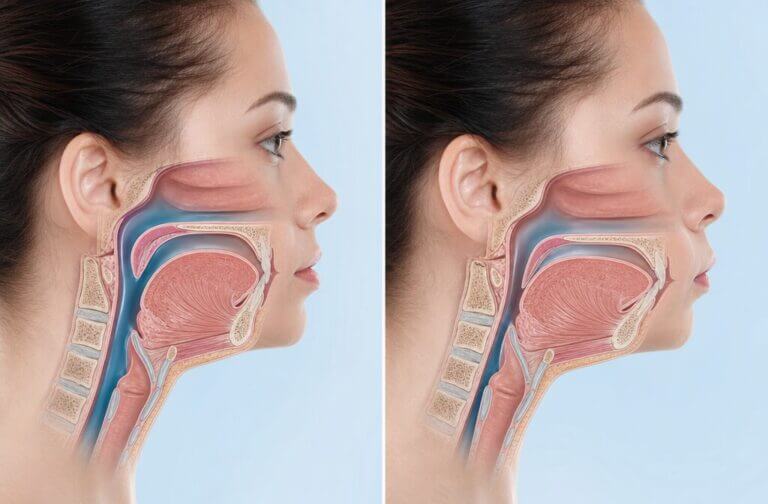
Quick Answer: An overbite can cause or worsen snoring by pushing your lower jaw backward, which narrows your airway and forces air through a restricted passage. When your upper teeth overlap your lower teeth by more than 2-3mm (an excessive overbite or malocclusion), the recessed jaw position creates an obstruction that makes throat tissues vibrate…

Quick Answer: Dairy products don’t create extra mucus, but they do thicken existing secretions in your throat, which narrows your airway and can worsen snoring. Eliminating dairy 3-4 hours before bedtime often reduces snoring symptoms, though it won’t cure snoring caused by structural issues like naturally relaxed soft tissues. Last updated: May 20, 2026 Key…

Quick Answer Food sensitivity and snoring are directly connected through inflammation and mucus production. When you eat foods your body is sensitive to, your immune system triggers an inflammatory response that increases mucus in your nasal passages and throat, blocking airways and worsening snoring. This same inflammation elevates cortisol levels at night, disrupting sleep quality…
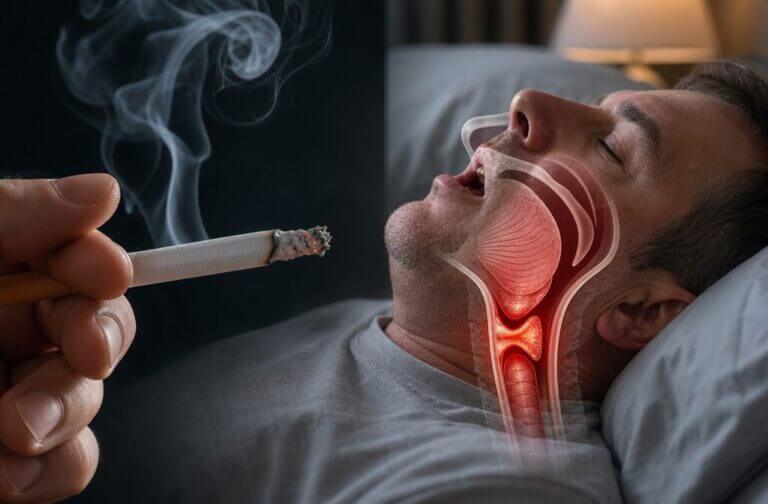
Quick Answer: Smoking directly causes and worsens snoring by irritating airways, increasing mucus production, damaging the respiratory system, and reducing airflow. Cigarette smoke inflames throat and nasal tissues, triggers excess phlegm that blocks airways, and destroys the tiny hair-like structures (cilia) that normally clear secretions. Quitting smoking allows your body to heal these systems, typically…

Snoring is a body telling a story it never meant to tell. Every night, millions of people lie down, close their eyes, and somewhere in the dark hours their throat begins to vibrate like a screen door in a hard wind. The person next to them stares at the ceiling. Everyone loses. What you eat…

Your partner elbows you at 2 a.m. again. You wake up with a dry throat, a foggy head, and no memory of making the noise that disturbed the entire bedroom. Spring arrived last week. The windows have been cracked open. And your nose has been running like it has somewhere important to be. Allergies can…