

Understanding Insomnia and PMS: Why Your Period Disrupts Sleep and What You Can Do
Quick Answer
Insomnia and PMS are closely linked through hormonal fluctuations during your menstrual cycle. Estrogen peaks before ovulation act as a stimulant that can prevent sleep, while the drop in progesterone just before menstruation removes the hormone’s natural calming effect. Combined with physical discomfort like cramping, bloating, and temperature changes, these hormonal shifts create the perfect storm for poor sleep during and around your period.
Last updated: May 18, 2026
Key Takeaways
- Women are 40% more likely than men to experience insomnia, with menstrual cycles being a primary contributing factor
- Estrogen surges before ovulation act as a stimulant, while progesterone drops before menstruation remove natural sleep support
- Physical symptoms like cramping, bloating, and frequent urination compound hormonal sleep disruption
- Body temperature rises just before ovulation, interfering with the cooler temperatures needed for quality REM sleep
- Stress and insomnia create a self-perpetuating cycle that worsens during menstruation
- Simple interventions like keeping your bedroom cool, avoiding sugar before bed, and stress management can significantly improve sleep quality
- If your partner’s snoring compounds your PMS-related insomnia, anti-snoring solutions may help both of you sleep better
Why Sleep Matters More Than You Think
Your body and brain require sleep to function properly. The immediate benefits of quality rest are obvious: you wake up refreshed, alert, and ready to handle whatever the day brings.
On the flip side, a single poor night leaves you irritable, foggy, slow to react, and struggling to concentrate or remember things.
The long-term consequences are more serious. Chronic sleep deprivation increases your risk of heart disease, weight gain, weakened immunity, and reduced sex drive. Quality sleep isn’t a luxury—it’s a biological necessity.
Yet many of us consistently miss out on it. And if you’re a woman dealing with monthly hormonal fluctuations, you’re fighting an uphill battle.
Why Women Struggle More With Sleep During Their Cycles
Women face a higher risk of insomnia than men, but they’re also less likely to seek help for it. Research shows that for many women, the worst sleep problems align directly with their menstrual cycles. Understanding the connection between insomnia and PMS is the first step toward managing it effectively.
If you’re also dealing with a partner who snores, the combination can feel impossible. Many people don’t realize that addressing both issues—your hormonal sleep disruption and your partner’s snoring—can dramatically improve rest for everyone in the bedroom.
How Hormones Sabotage Your Sleep During Your Cycle
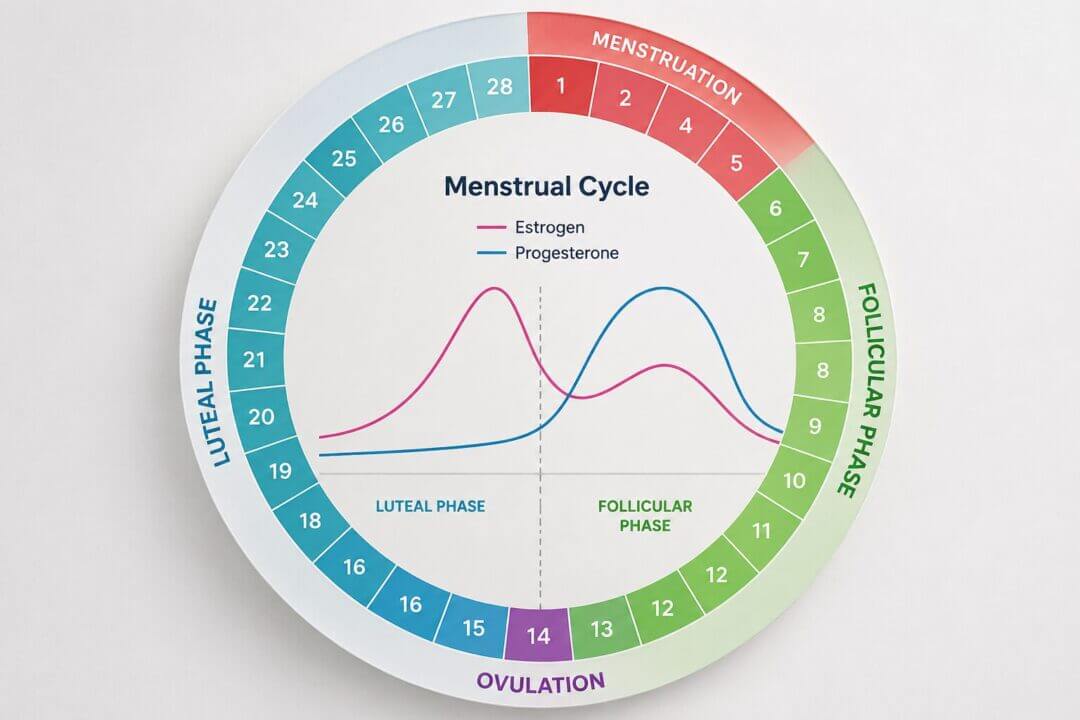
Your menstrual cycle operates on a roughly 28-day schedule, divided into distinct phases with different dominant hormones. These hormonal shifts directly impact your ability to fall asleep and stay asleep.
The Estrogen Surge Before Ovulation
During the first half of your cycle (from the end of your last period until ovulation), estrogen levels steadily climb. Estrogen functions as an energizing hormone with mild stimulant properties.
When estrogen peaks just before ovulation—typically around day 14 of a 28-day cycle—this stimulant effect is strongest. Many women experience:
- Difficulty falling asleep despite feeling tired
- Racing thoughts or increased mental alertness at night
- Waking earlier than usual
- Lighter, less restorative sleep overall
Choose a supportive mattress during this phase if you find yourself tossing and turning more than usual.
The Progesterone Drop Before Your Period
After ovulation, progesterone becomes the dominant hormone. Progesterone has natural sedative properties—it’s sometimes called the “sleepy hormone” because it promotes calmness and drowsiness.
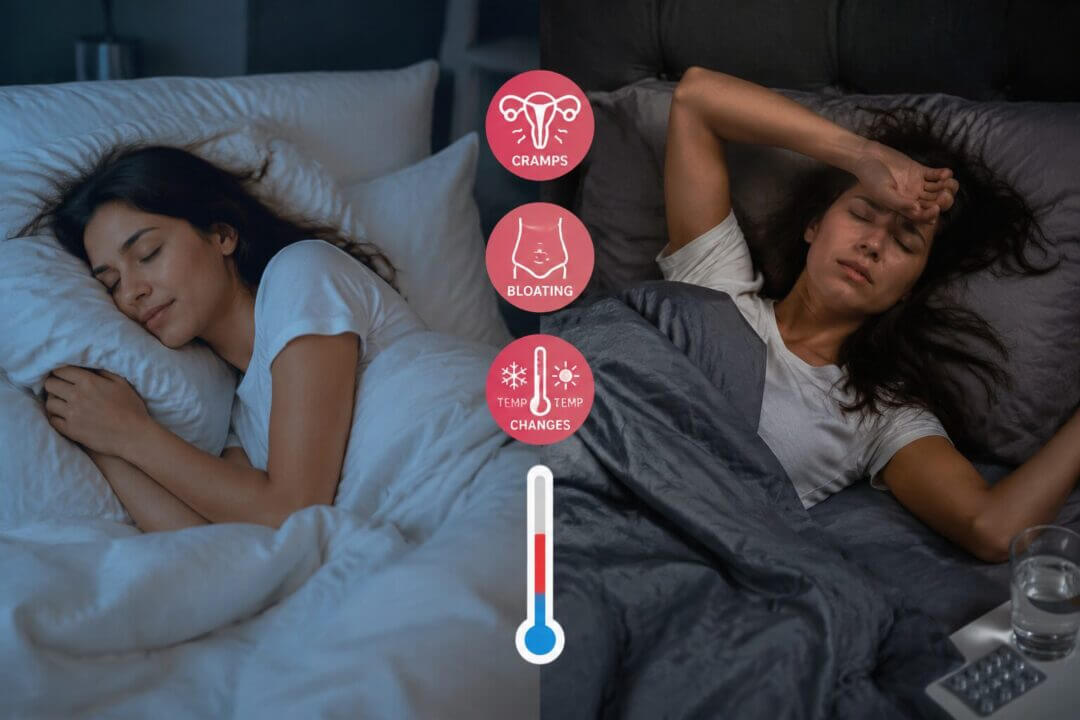
This sounds helpful, but here’s the problem: progesterone levels drop sharply in the days just before menstruation begins. Your body has become accustomed to progesterone’s calming effect, so when it suddenly disappears, you experience:
- Increased anxiety or restlessness
- Difficulty staying asleep (frequent waking)
- Reduced deep sleep and REM sleep
- Earlier morning waking
This hormonal withdrawal is one of the primary reasons women report worse sleep quality in the week before their period starts.
Temperature Fluctuations That Disrupt Rest
Your basal body temperature rises slightly (about 0.5-1°F) just before and during ovulation. While this temperature shift helps identify fertile days, it interferes with sleep quality.
Your body needs to cool down slightly to enter and maintain deep, restorative REM sleep. When your core temperature is elevated, you may experience:
- Difficulty falling asleep
- Night sweats or feeling uncomfortably warm
- More frequent waking
- Less time in deep sleep stages
This isn’t just a menopausal issue—women of all reproductive ages experience these temperature-related sleep disruptions during their cycles.
Physical Symptoms That Compound Sleep Problems
Even without hormonal interference, the physical discomforts of menstruation create additional barriers to quality sleep.
Cramping and Bloating
Menstrual cramps (dysmenorrhea) affect up to 80% of women at some point. The pain can range from mild discomfort to severe cramping that makes it nearly impossible to find a comfortable sleeping position.
Bloating adds another layer of discomfort. When your abdomen feels distended and uncomfortable, lying down can actually make the sensation worse. You may find yourself:
- Constantly shifting positions to find relief
- Waking when you roll onto your stomach
- Unable to relax enough to fall into deep sleep
Frequent Nighttime Urination
Hormonal changes during your cycle can increase fluid retention and subsequently increase urination frequency. Getting up multiple times per night to use the bathroom fragments your sleep cycles and prevents you from getting adequate deep sleep.
Each time you wake to urinate, it takes 10-20 minutes to fall back asleep—if you can fall back asleep at all. Over a full night, this can mean losing an hour or more of total sleep time.
Menstrual Hygiene Concerns
Worry about leaking through your menstrual products can create low-level anxiety that prevents deep sleep. You might:
- Sleep more lightly to remain aware of potential leaks
- Wake frequently to check your protection
- Avoid certain sleeping positions that feel less secure
- Experience stress dreams related to embarrassment
This anxiety is especially common during heavy flow days or if you’ve experienced leaks in the past.
The Stress-Insomnia Cycle That Makes Everything Worse
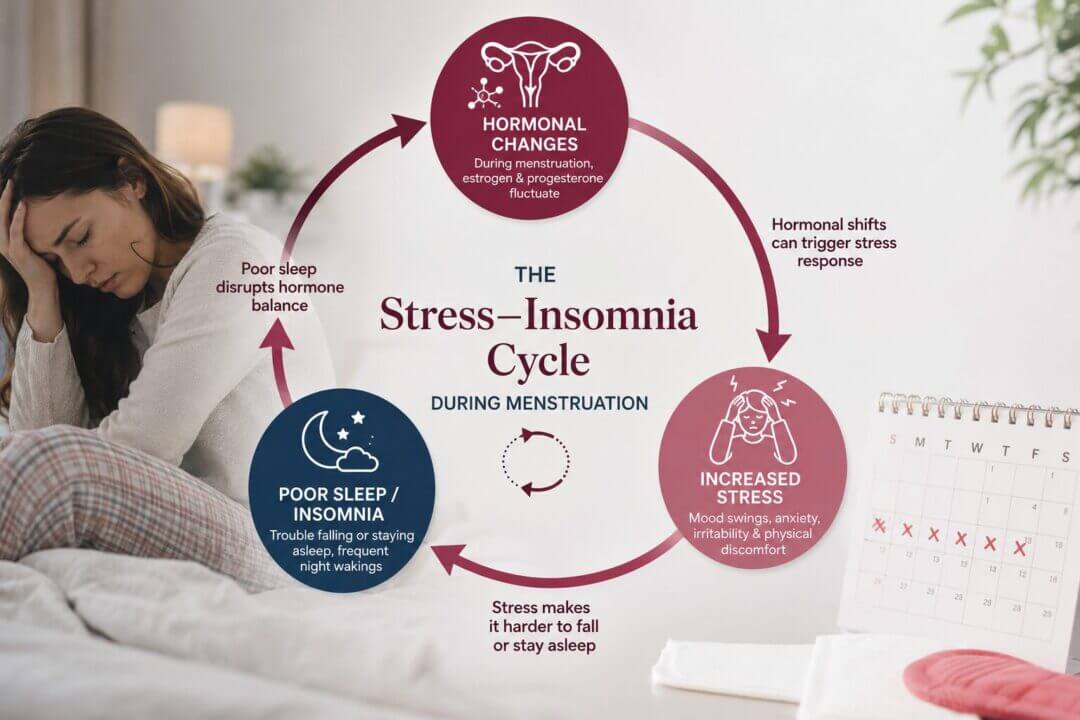
Stress and insomnia feed each other in a vicious cycle. You’re stressed, so you can’t sleep. Poor sleep increases stress hormones like cortisol. Higher stress makes it even harder to sleep the next night.
During menstruation, this cycle intensifies. Hormonal fluctuations already make you more emotionally reactive and less resilient to stress. When you add sleep deprivation to the mix, problems that would normally feel manageable can seem overwhelming.
Common experiences include:
- Overreacting to minor inconveniences
- Feeling unable to cope with normal responsibilities
- Increased irritability with partners, children, or coworkers
- Anxiety about not being able to sleep, which prevents sleep
In severe cases, you may develop anticipatory anxiety about bedtime itself—dreading the hours you’ll spend lying awake, which ironically makes it even harder to fall asleep.
If your partner’s snoring adds to your nighttime stress, consider exploring mandibular advancement devices that can reduce or eliminate snoring.
How Diet and Lifestyle Choices Affect PMS-Related Insomnia
The foods and drinks you consume during your period can either help or hinder your sleep quality.
Sugar Cravings and Blood Sugar Crashes
Many women experience intense cravings for sweets during the luteal phase (after ovulation) and during menstruation. These cravings are driven by hormonal changes that affect serotonin and blood sugar regulation.
The problem: eating sugary foods, especially in the evening, causes blood sugar spikes followed by crashes. When your blood sugar drops during the night, your body releases cortisol and adrenaline to compensate. These stress hormones can wake you up and make it difficult to fall back asleep.
Better choices if you need an evening snack:
- Small portions of protein (Greek yogurt, nuts, cheese)
- Complex carbohydrates (whole grain crackers, oatmeal)
- Foods with natural tryptophan (turkey, bananas, chamomile tea)
Alcohol as a False Sleep Aid
When you’re dealing with cramps, bloating, and mood swings, a glass of wine might seem like a reasonable way to relax. Alcohol does act as a short-term sedative that can help you fall asleep faster.
However, alcohol significantly disrupts sleep architecture. It:
- Reduces REM sleep (the restorative stage crucial for memory and mood)
- Causes more frequent waking in the second half of the night
- Increases night sweats and dehydration
- Worsens next-day fatigue and mood problems
If you choose to drink during your period, limit consumption to one drink and finish it at least 3-4 hours before bedtime.
Heavy or Spicy Evening Meals
Digestive discomfort from large, rich, or spicy meals can keep you awake or cause frequent waking. When you’re already dealing with menstrual bloating and cramping, adding indigestion to the mix makes comfortable sleep nearly impossible.
Spicy foods can also raise your body temperature, compounding the temperature elevation that naturally occurs around ovulation.
Practical Strategies to Improve Sleep During Your Period
While insomnia and PMS are closely linked, you’re not powerless against them. These evidence-based strategies can significantly improve your sleep quality during your cycle.
Manage Stress Proactively
Stress management isn’t just about feeling calmer—it directly impacts your sleep quality by regulating cortisol and other stress hormones.
Effective techniques include:
- Progressive muscle relaxation: Systematically tense and release muscle groups from toes to head
- Deep breathing exercises: Try 4-7-8 breathing (inhale for 4, hold for 7, exhale for 8)
- Meditation or mindfulness: Even 10 minutes daily can reduce stress hormones
- Gentle yoga: Restorative poses before bed promote relaxation
- Journaling: Writing down worries before bed can prevent rumination
The experts at SnoringHQ specialize in yoga, meditation, and naturopathic approaches that can help reduce stress and improve sleep quality.
Optimize Your Sleep Environment
Your bedroom setup has a significant impact on sleep quality, especially when you’re dealing with temperature fluctuations and physical discomfort.
Temperature control:
- Keep your bedroom between 60-67°F (15-19°C)
- Use breathable, moisture-wicking sheets
- Consider a fan for air circulation
- Try a cooling pillow or mattress topper
- Wear lightweight, breathable sleepwear
Comfort considerations:
- Choose a mattress that supports your preferred sleeping position
- Use pillows to support cramping areas (between knees, under abdomen)
- Keep extra menstrual products within easy reach
- Use a heating pad on a timer for cramp relief
Noise management:
- Use white noise to mask disruptive sounds
- Consider earplugs if your partner snores
- Address snoring issues with effective anti-snoring devices
Time Your Eating and Drinking Strategically
What and when you eat affects your sleep quality more than most people realize.
Evening eating guidelines:
- Finish your last large meal 3-4 hours before bedtime
- If you need a snack, keep it small and protein-focused
- Avoid caffeine after 2 PM (it has a 6-hour half-life)
- Limit fluids 2 hours before bed to reduce nighttime urination
- Avoid alcohol within 3-4 hours of bedtime
Foods that may help:
- Magnesium-rich foods (almonds, spinach, pumpkin seeds) can reduce cramps and promote relaxation
- Tryptophan-containing foods (turkey, eggs, cheese) support melatonin production
- Complex carbohydrates (whole grains) help stabilize blood sugar
- Herbal teas (chamomile, valerian root) have mild sedative properties
Establish a Consistent Sleep Schedule
Your circadian rhythm thrives on consistency. Going to bed and waking at the same time every day—even on weekends—helps regulate your body’s sleep-wake cycle.
This is especially important during your period when hormones are already disrupting your natural rhythms. A consistent schedule provides an anchor that helps your body know when it’s time to sleep.
Sleep schedule tips:
- Set a bedtime that allows for 7-9 hours of sleep
- Create a 30-60 minute wind-down routine
- Dim lights in the evening to support melatonin production
- Avoid screens (phones, tablets, TV) for at least 30 minutes before bed
- If you can’t fall asleep within 20 minutes, get up and do a quiet activity until you feel sleepy
Consider Targeted Supplements
Some supplements may help address both PMS symptoms and sleep problems, though you should consult a healthcare provider before starting any new supplement regimen.
Potentially helpful supplements:
- Magnesium: Reduces cramps and promotes relaxation (300-400mg before bed)
- Vitamin B6: May reduce PMS symptoms including mood changes (50-100mg daily)
- Calcium: Can reduce PMS symptoms and support sleep (1000-1200mg daily)
- Melatonin: Helps regulate sleep-wake cycles (0.5-3mg, 30 minutes before bed)
- Omega-3 fatty acids: May reduce menstrual pain and inflammation

Track Your Cycle and Sleep Patterns
Understanding your personal patterns helps you anticipate problem nights and take preventive action.
Use a period tracking app or journal to record:
- Menstrual cycle dates and flow intensity
- Sleep quality ratings (1-10 scale)
- Times you went to bed and woke up
- Number of times you woke during the night
- Symptoms (cramps, bloating, mood, etc.)
- Foods eaten, especially in the evening
- Stress levels
After 2-3 cycles, you’ll likely see clear patterns that help you predict when you’re most vulnerable to insomnia and plan accordingly.
When to Seek Professional Help
While occasional sleep disruption during your period is normal, severe or persistent insomnia warrants professional evaluation.
See a healthcare provider if you experience:
- Insomnia that significantly impacts daily functioning
- Severe PMS symptoms (PMDD) that include depression or anxiety
- Sleep problems that persist throughout your entire cycle
- Menstrual pain that isn’t relieved by over-the-counter medications
- Extremely heavy bleeding that requires changing protection every 1-2 hours
- Symptoms of sleep apnea (loud snoring, gasping, daytime exhaustion)
Your doctor may recommend:
- Hormonal birth control to regulate hormone fluctuations
- Prescription sleep aids for short-term use
- Cognitive behavioral therapy for insomnia (CBT-I)
- Treatment for underlying conditions like PMDD, endometriosis, or sleep apnea
- Referral to a sleep specialist
Frequently Asked Questions
Related Reading
If you found this article helpful, you might also benefit from:
- Understanding Anti-Snoring Mouthpieces – If your partner’s snoring compounds your sleep problems
- Sleep Number Beds and Snoring – How adjustable beds can improve sleep quality
- About Our Sleep Experts – Learn about our team’s expertise in sleep, yoga, and naturopathy
Understanding the connection between insomnia and PMS empowers you to take control of your sleep quality. While you can’t eliminate hormonal fluctuations, you can minimize their impact through strategic lifestyle changes, environmental optimization, and stress management. Remember that persistent or severe sleep problems warrant professional evaluation—you don’t have to suffer through sleepless nights every month.