

CPAP for Women Sleep Apnea: Symptoms & Treatment Guide
You’ve been tired for months—maybe years. You wake up with headaches. You can’t concentrate at work.
Your doctor suggests antidepressants or tells you it’s stress. But what if it’s not in your head at all?
Sleep apnea in women is chronically underdiagnosed because symptoms don’t match the “classic” male presentation of loud snoring and gasping. Women experience flow limitation, insomnia, and crushing fatigue—symptoms routinely dismissed as anxiety or menopause.
Understanding how sleep apnea presents differently in women is the first step toward getting the right treatment and reclaiming your energy, mood, and health.
Here’s what you need to know about CPAP therapy designed for your body—not just scaled-down equipment borrowed from male studies.
How Sleep Apnea Shows Up Differently in Women—And Why You’re Not Imagining It
Women’s airways don’t collapse the same way men’s do. You experience more flow limitation—partial airway narrowing that restricts oxygen without the dramatic gasping episodes partners witness in men.
This means fewer obvious signs and more subtle, debilitating symptoms.
Your symptoms probably look like this:
Chronic fatigue that sleep doesn’t fix
Insomnia that keeps you awake or wakes you repeatedly
Morning headaches
Depression and anxiety
Brain fog so thick you can’t remember why you walked into a room
These aren’t “atypical” symptoms—they’re female symptoms. And they’re routinely mistaken for psychological conditions.
“The traditional view of sleep apnea as a condition of overweight, middle-aged men who snore loudly has led to significant underdiagnosis in women, whose symptoms often manifest as fatigue, insomnia, and mood disorders.” — American Academy of Sleep Medicine
Hormones play a significant role. Progesterone provides some airway protection before menopause by maintaining muscle tone in your upper airway.
After menopause, that protection vanishes, and your risk increases two to three times. Pregnancy also raises risk—gestational sleep apnea is linked to hypertension, gestational diabetes, and preterm birth.
Women’s airways respond differently to fat distribution and anatomical structure. You have less pharyngeal fat than men, but different collapse patterns.
The cognitive and mood effects hit harder, too. Brain regions governing emotion and decision-making show greater impact in women with untreated sleep apnea.
High-risk groups include:
Post-menopausal women
Pregnant women
Women with PCOS
Those with increased waist-to-hip ratios
The diagnostic gap has real consequences: untreated sleep apnea increases cardiovascular disease, stroke, and diabetes while destroying quality of life one exhausted day at a time.
What Makes CPAP Therapy Different for Women—Equipment, Comfort, and Fit
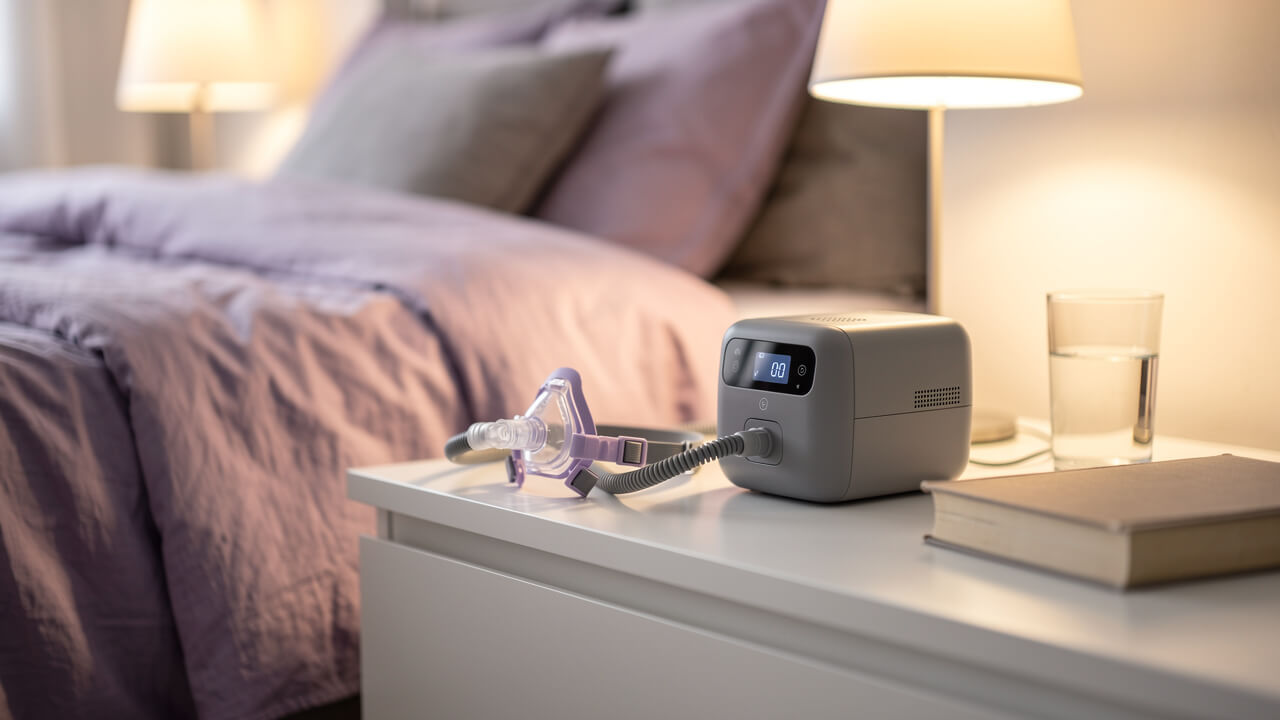
Women typically need lower therapeutic pressure than men—but don’t mistake “lower pressure” for “mild apnea.” Correct titration is still critical. Your airways respond differently, and equipment designed for male physiology won’t serve you well.
Mask fit is where most women struggle. Your facial anatomy—smaller jawlines, thinner cheekbones, fuller cheeks—requires properly sized equipment to prevent leaks and discomfort. Standard masks designed for larger male faces will leak, dig into your skin, and make you want to quit therapy entirely.
Mask Options That Actually Work for Women
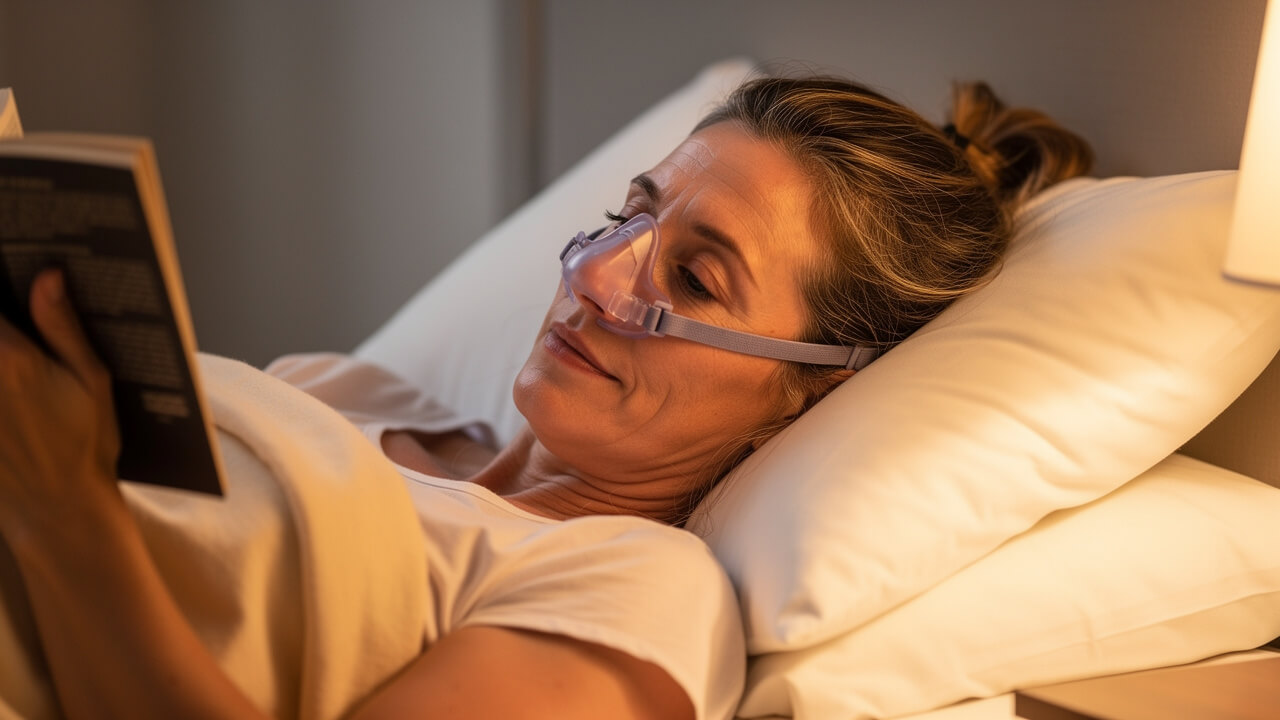
Nasal pillow masks offer minimal facial contact and reduce claustrophobia. They seal around your nostrils without covering your mouth, leaving your field of vision clear for reading or watching TV before sleep.
Nasal masks cover the nose only and work well if you breathe through your nose. Full-face options exist for mouth breathers but feel more intrusive.
Features That Make a Real Difference
Aesthetic enhancements matter. Moving away from bulky, clinical-looking equipment improves adherence. Machine features that improve women’s experience include:
Humidification to reduce dry mouth and nasal irritation
Pressure relief on exhalation for more natural breathing
AutoRamp technology that waits until you’re actually asleep to increase pressure—addressing women’s longer sleep latency
Headgear designed for long hair accommodates ponytails and loose hair without compromising seal stability.
Daily maintenance is simple: wipe cushions to prevent skin irritation. Weekly deep cleaning of headgear and tubing keeps everything fresh and functional.
Frequently Asked Questions

Question: How Quickly Will I Notice Improvements After Starting CPAP Therapy?
Many women report better energy and reduced morning headaches within the first week. Cognitive clarity, mood improvements, and reduced anxiety often emerge within two to four weeks of consistent use. Cardiovascular benefits—lower blood pressure, reduced stroke risk—accumulate over months of regular therapy.
Adherence is key. The more consistently you use your CPAP machine, the faster and more pronounced your improvements will be. Track your progress and celebrate small wins—better sleep is worth the adjustment period.
Sleep apnea doesn’t look the same in everyone. For women, it’s often hidden behind symptoms that doctors dismiss or misdiagnose.
But once you understand how your body experiences this condition, you can advocate for proper testing, find equipment that actually fits, and start feeling like yourself again. Your exhaustion isn’t normal, and you don’t have to live with it.