

How Alcohol Affects Snoring and Your Sleep Quality
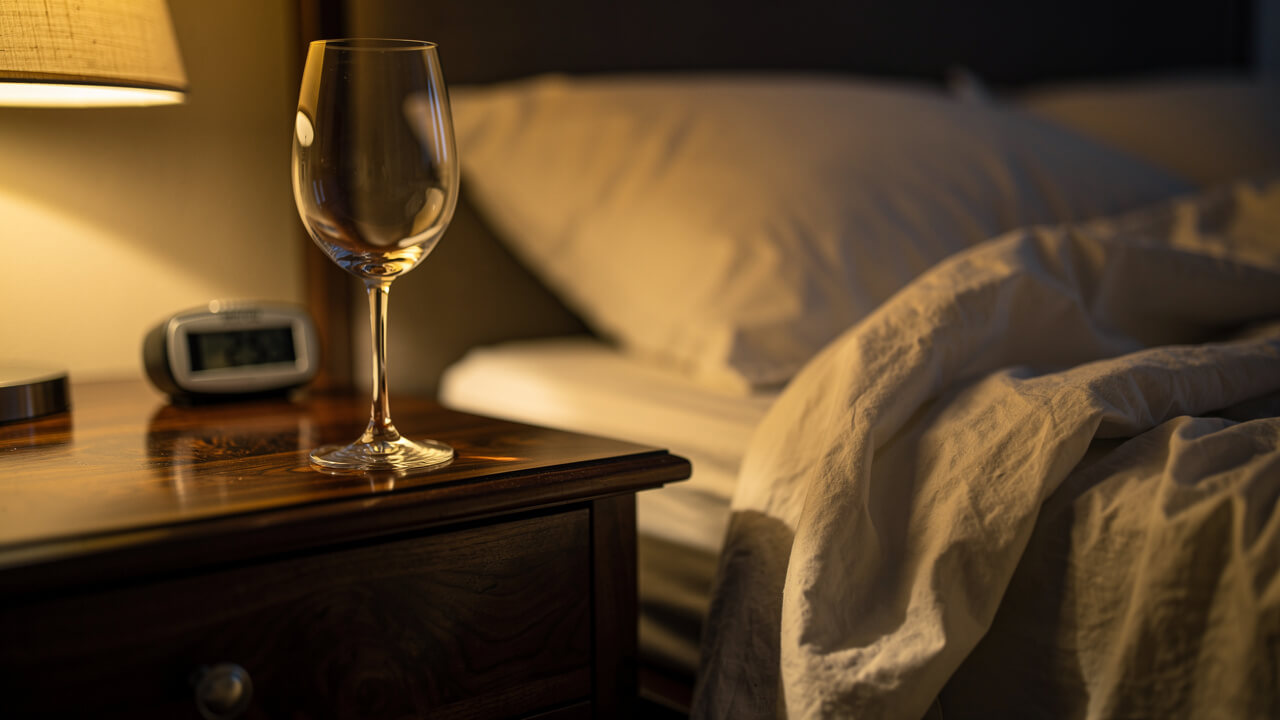
When we pour a glass of wine or crack open a beer at night, it often feels like a simple way to relax. For a long time, we at Snoring HQ told ourselves the same story.
We thought we understood how alcohol and snoring were tied together. It seemed like a cheap sleep aid that helped us drift off faster.
Then the science ruined the myth. The more we looked at how alcohol affects snoring and sleep, the clearer it became that the nightcap is not harmless.
Alcohol relaxes the exact muscles that keep the airway open. It changes brain signals that should protect breathing. It also scrambles the sleep stages that make a night feel truly restful.
As the National Sleep Foundation notes, “Alcohol may help you fall asleep faster, but it reduces overall sleep quality.” Not all drinks affect sleep equally. One large community study found that hard liquor, but not beer or wine, was specifically linked to poorer sleep quality (Zheng et al., 2020).
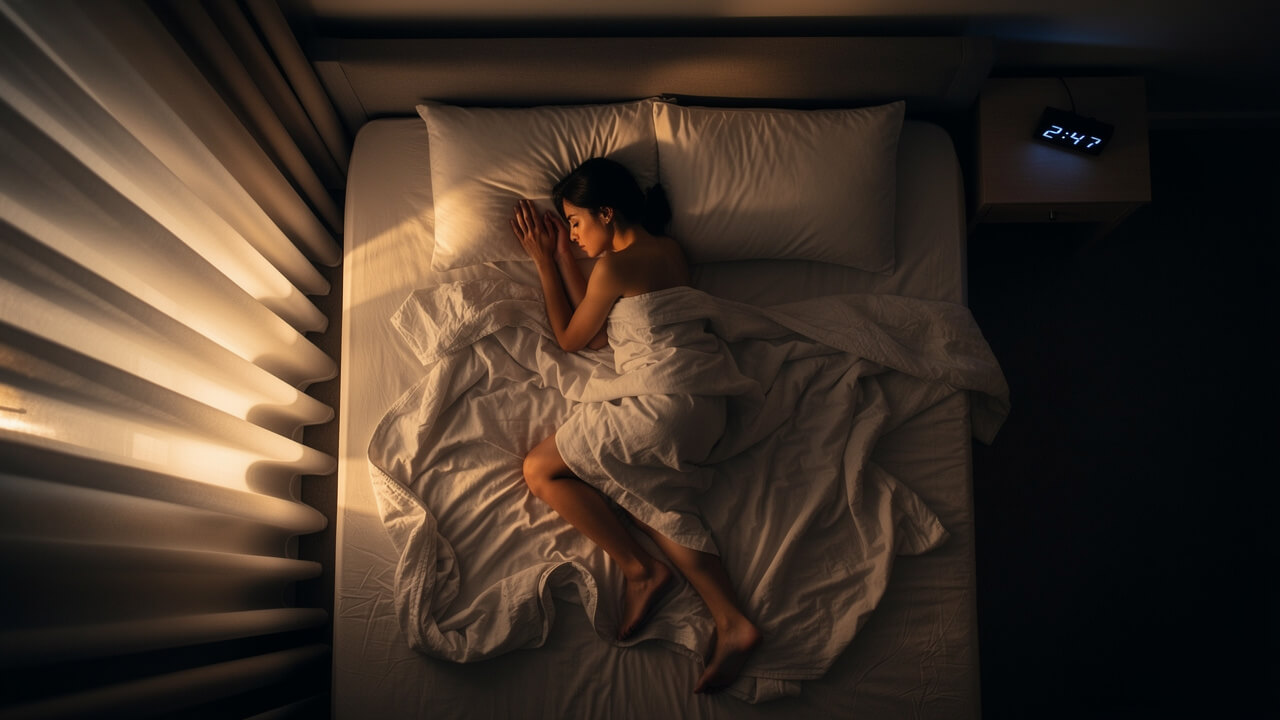
This does not only affect the person who snores. Partners lose sleep, relationships feel the strain, and both people wake up tired and frustrated.
In this guide, we walk through what really happens in the body after a drink, why snoring often explodes, and why sleep quality crashes even if the clock says eight hours in bed.
By the end, we want you to feel informed rather than scared. You will understand the science, know when to worry about sleep apnea, and have simple steps you can start tonight.
We will also share how trusted devices we review at Snoring HQ can help when lifestyle changes are not enough on their own.
Key Takeaways
When we talk about alcohol and snoring, a few points matter more than anything else. It helps to keep these in mind before changing habits or buying gear.
Alcohol relaxes the muscles in the tongue and throat much more than normal sleep. This makes the airway narrower and far more likely to vibrate and collapse. Even people who almost never snore can start snoring loudly after drinking.
Alcohol does not only change breathing, it also changes sleep stages. It cuts down on REM sleep, then causes a rebound effect that leads to frequent wakeups. This is a big reason someone can sleep many hours after drinking and still feel wiped out the next day.
Even moderate drinking before bed raises the risk that Obstructive Sleep Apnea (OSA) events will be more frequent and longer. The more you drink, the worse the effects — a recent study from Korea shows that snoring risk and sleep disruption increase in a near-linear fashion with alcohol intake (Zheng et al., 2020; Ko et al., 2023).
Stopping alcohol three to four hours before bedtime is the single change with the biggest payoff. This simple buffer gives the body time to clear much of the drink and lowers both snoring volume and sleep disruption.
Anti-snoring devices we review at Snoring HQ, such as mandibular advancement devices like ZQuiet and SnoreRx and positional tools like the Nitetronic Goodnite pillow, can help manage nights when alcohol still plays a part. They work best when combined with timing changes and moderation rather than as a pass for heavy drinking.
Why Alcohol Makes Snoring Worse: The Science Behind It
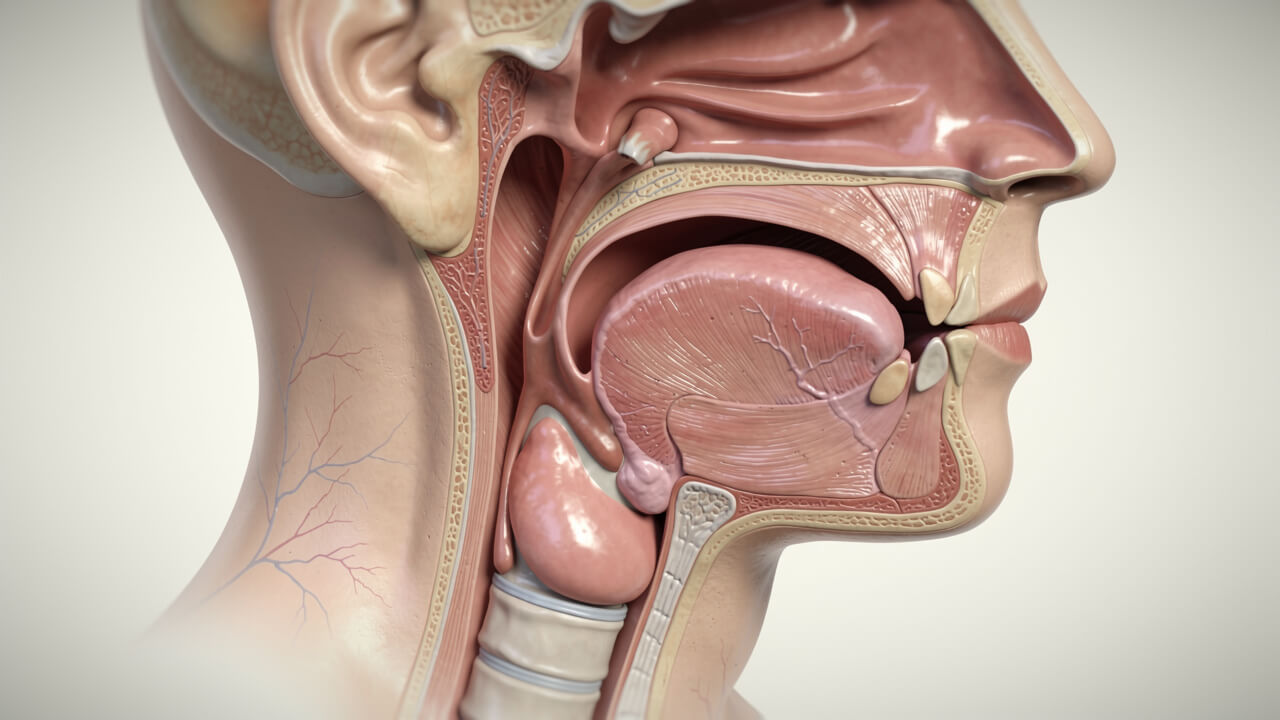
To understand how alcohol affects snoring, we have to look at what it does to the brain and muscles. Alcohol is a central nervous system depressant, which means it slows brain activity and reduces muscle control. That “relaxed” feeling is the same effect that reaches the muscles in the tongue, soft palate, and throat.
During normal sleep without alcohol, these muscles keep just enough tone to hold the airway open. Air can move in and out with little resistance.
When we drink close to bedtime, we strip away that support. The tongue and soft tissues sag backward, and the space for air becomes much tighter than it should be.
From there, a clear chain of events starts:
Airway narrowing or collapse: Relaxed muscles allow the upper airway to narrow or even partly collapse. The tongue may fall back, and the soft palate can droop into the breathing path. This does not always block breathing completely, but it makes the passage much smaller.
Turbulent airflow and vibration: Air has to move faster through this tight space to keep up with the body’s demand. That higher speed makes the loose tissues flutter and vibrate. The sound we call snoring is simply that vibration of soft tissue against a limited flow of air.
Weaker safety reflexes: Alcohol weakens the brain’s safety reflex. Normally, when oxygen drops or airflow becomes blocked, the brain triggers a brief arousal that stiffens muscles and reopens the airway. Under the influence of alcohol, that reflex happens later and less strongly, so noisy breathing and partial blockage last longer.
Many sleep physicians point out that alcohol is “one of the most common, and most overlooked, triggers for snoring and breathing problems during sleep.”
This pattern explains why even people who rarely snore can rattle the walls after a few drinks, and the broader Impact of Alcohol Consumption on upper airway muscle function has been documented extensively in peer-reviewed research.
It also explains why heavy drinking usually means louder and more constant snoring. The more we drink, the more those airway muscles behave like overcooked noodles. If we already snore when sober, alcohol almost always makes the problem worse.
How Alcohol Disrupts Your Sleep Architecture
Many adults think of a drink at night as a simple sleep aid. There is a small grain of truth to that idea, which is why it is so common.
Alcohol acts on GABA receptors in the brain, the same targets as many sleeping pills. That dampens brain activity and makes it easier to fall asleep.
The trouble is what comes next. As the liver breaks down the alcohol over the next few hours, the calming effect fades. In its place comes a rebound stage that is more alert and restless.
This often hits in the second half of the night, around two or three in the morning, when we should be in our deepest and most stable sleep.
Another key problem is how alcohol affects REM sleep. REM is the stage when we dream, and it is vital for mental sharpness and emotional balance. Our brains use REM to sort memories, process stress, and reset mood. When alcohol cuts REM short, the mind pays the price the next day.
When REM is suppressed, the brain has less time to file away new memories from the day. That can show up as forgetfulness, trouble learning new tasks, or feeling mentally slow.
Shortened or broken REM also means poor emotional processing. Many people notice that after a night of drinking, they feel more irritable or overwhelmed by small problems, even if they cannot explain why.
Because REM plays a large role in how refreshed we feel, missing it often leads to morning brain fog. We might log eight hours in bed yet still feel like we barely slept.
Sleep scientist Matthew Walker, PhD, writes in Why We Sleep that alcohol is “one of the most powerful suppressors of REM sleep that we know of.”
Broken sleep also loops back into snoring. Alcohol tends to cause more light sleep and frequent awakenings. In lighter sleep stages, airway muscles are less stable, so snoring becomes easier to trigger.
We hear from many readers who say the loudest snoring and the worst rest happen on the same nights, and this mix of muscle relaxation and wrecked sleep stages is the reason.
This is why someone can think they know how alcohol affects snoring and still be surprised by the level of fatigue the next day. The issue is not just noise. It is the quality of breathing and the shape of the entire night of sleep.
The Alcohol–Sleep Apnea Connection You Shouldn’t Ignore
For some people, snoring after a drink is more than an annoyance. It can be a sign that alcohol is tipping them into Obstructive Sleep Apnea (OSA), or making an existing case of apnea much more severe.
We take this seriously at Snoring HQ because untreated apnea is linked with heart disease, high blood pressure, stroke, and other long-term health problems.
How Alcohol Can Trigger or Worsen OSA
Obstructive Sleep Apnea is a condition where the airway collapses over and over during sleep. Breathing either stops completely or becomes so shallow that the body does not get enough oxygen. Each event usually ends with a brief awakening that the sleeper may not remember, but the body feels it.
Alcohol makes this pattern worse in two main ways:
It increases the chance that the airway will collapse by pushing the muscles to relax more than usual.
It dulls the brain’s response to falling oxygen levels, so the body takes longer to react.
That means apnea events happen more often and last longer before the body fights its way back to normal breathing.
Studies show that for people who already have OSA, alcohol can raise the number and length of apnea events by roughly twenty-five to forty percent, a pattern confirmed by research on alcohol consumption linked with worsening snoring and sleep apnea severity.
It can also “unmask” apnea in people who were right on the edge of the condition. The risk is higher for those who are overweight, over fifty, or assigned male at birth, but no group is fully protected from this effect.
Over months and years, that extra stress on the heart, blood vessels, and brain adds up, raising the odds of:
High blood pressure
Irregular heart rhythms
Heart attack and stroke
Worsening type 2 diabetes
Warning Signs That Demand Attention
Snoring plus alcohol does not always equal sleep apnea, but certain signs should get our attention right away. These patterns are the body’s way of asking for help and should not be brushed off as simple party side effects.
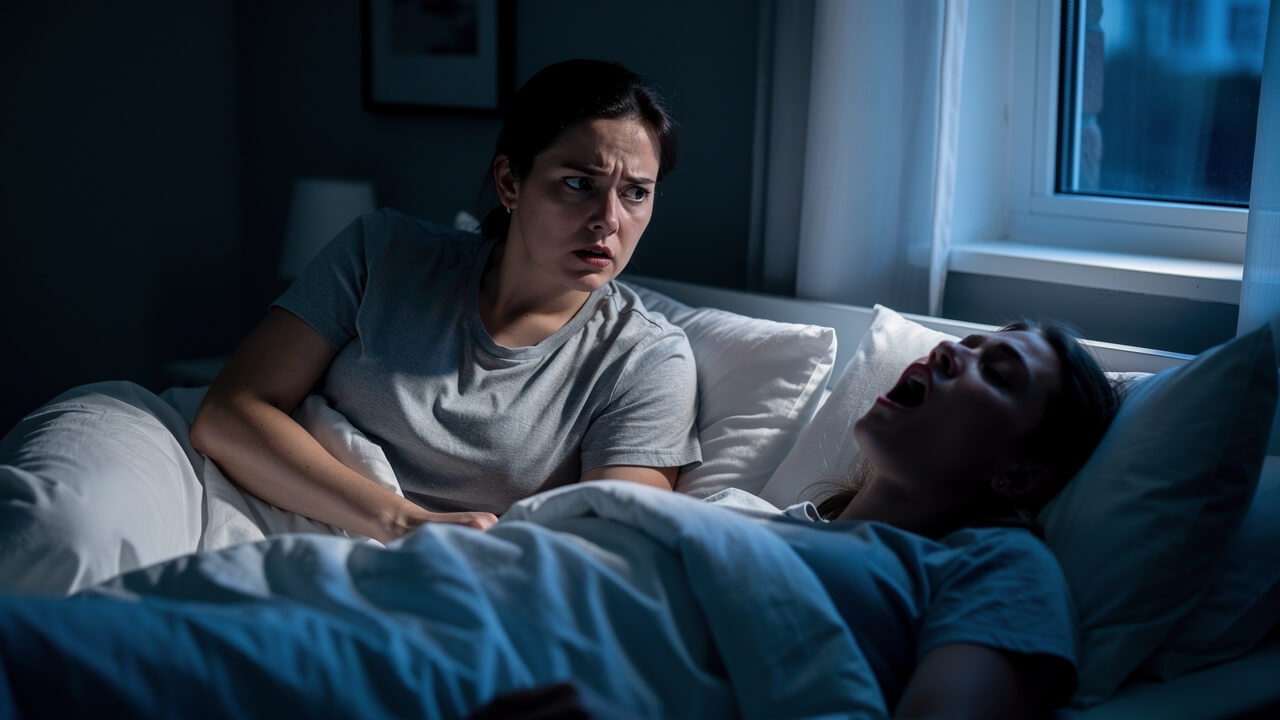
A partner may notice that breathing seems to stop for several seconds, then starts again with a loud gasp or snort. These pauses are classic apnea events and mean the airway is closing during sleep. Even if they seem to happen only after drinking, they still deserve a medical check.
Some people wake in the night with a choking or gasping feeling. They may sit up, grab for air, and feel their heart pounding. When this ties in with alcohol use, it often means the airway is closing more deeply than usual.
Frequent morning headaches and a sore or dry throat are common in untreated apnea. Low oxygen and mouth breathing from heavy snoring irritate the tissues and blood vessels. If these mornings are the rule rather than the exception, especially after nights of drinking, it is time to pay attention.
Many adults with apnea feel very sleepy during the day even when they think they slept enough hours. They might doze off while watching television, sitting at a desk, or even at stoplights. That level of fatigue is not normal and should not be blamed only on age or stress.
If any of these signs feel familiar to you or a partner, the next step is to talk with a primary care provider or a sleep specialist. There is no shame in asking for help.
Alcohol may be making a hidden problem easier to spot, and early treatment can change long-term health for the better. Doctors may suggest a home sleep test, an overnight study in a lab, or treatments such as CPAP or oral appliances, depending on what they find.
Practical Strategies To Reduce Alcohol-Related Snoring Tonight
Once we understand how alcohol affects snoring, it becomes easier to make smart changes. The goal is not to shame anyone for enjoying a drink. The goal is to protect breathing and give both people in the bedroom a better night of rest.
The most powerful step is timing. Sleep doctors often suggest having the last drink at least three to four hours before going to bed. This gap gives the body a chance to clear much of the alcohol, so its strongest muscle-relaxing effects fade before sleep starts.
When we move drinks earlier in the evening, snoring volume and sleep disruption usually drop.
Quantity matters too. The more we drink, the more relaxed and “floppy” the airway becomes. For many adults, keeping to one or two drinks in an evening keeps snoring from exploding.
The difference between two drinks and four drinks can be the difference between mild noise and a full night of heavy obstruction.
Other simple habits can also help:
Sleep position: Sleeping on the back lets gravity pull the tongue and soft palate toward the throat. After drinking, this position makes airway collapse much more likely. Making a habit of side sleeping, with pillows behind the back if needed, can noticeably reduce snoring on its own.
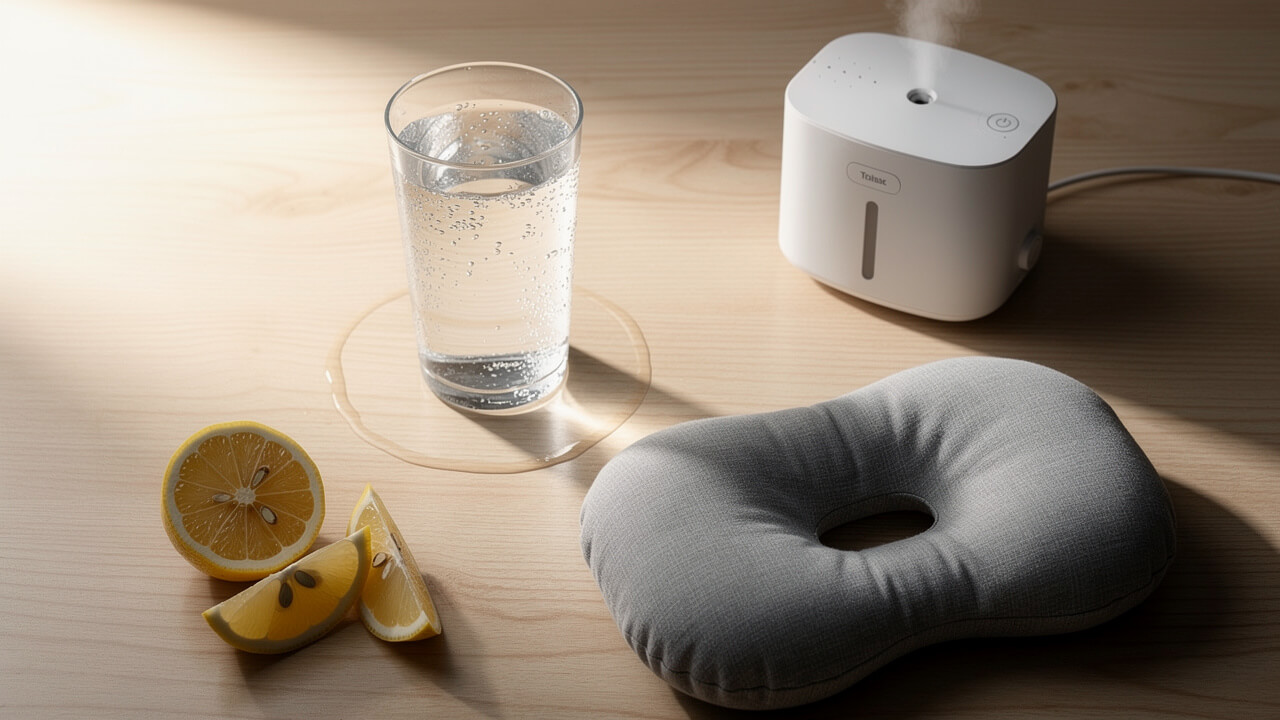
Hydration: Alcohol dries out the body and thickens mucus in the nose and throat. Sipping water between drinks and before bed keeps tissues from getting sticky and more prone to vibration. It is best not to chug a huge amount right before lights out, since bathroom trips can also break up sleep.
Meal timing: Large, heavy meals close to bedtime push up on the diaphragm and make breathing feel tighter. When that pressure mixes with relaxed airway muscles from alcohol, snoring can surge. Lighter dinners and leaving a few hours between eating and lying down are kind to both stomach and airway.
Nasal and air support: A bedroom humidifier and simple nasal strips can ease congestion for people whose noses tend to block up at night. Moist air keeps tissues from drying out and swelling, and nasal strips gently widen the nostrils to move more air through the nose instead of the mouth.
A common rule of thumb from sleep clinics: “Move alcohol earlier, move your body to your side, and you often move the snoring down a notch.”
For many readers, lifestyle steps help but do not erase the problem, especially on social nights. This is where the devices we cover at Snoring HQ can play a valuable role:
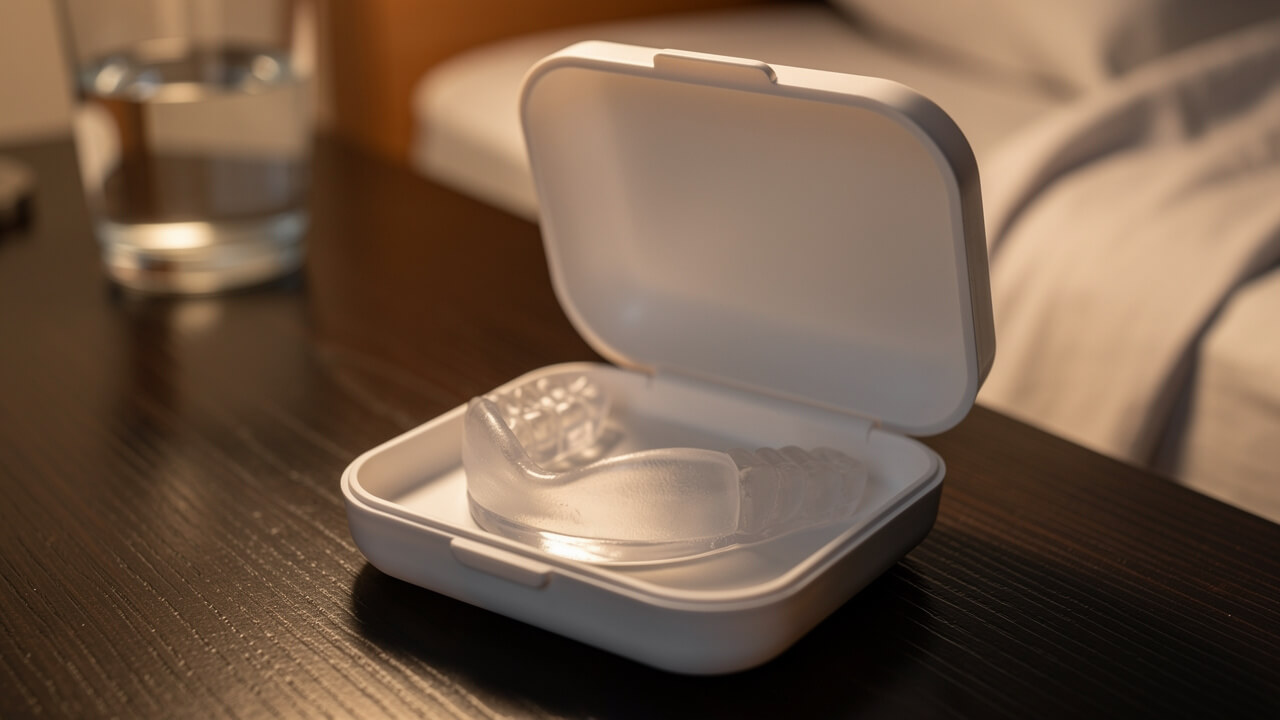
Mandibular advancement devices (MADs) such as ZQuiet and SnoreRx hold the lower jaw slightly forward so the tongue cannot fall back as easily. This helps keep the airway more open, even when muscles are more relaxed after drinking.
The Nitetronic Goodnite anti-snore pillow offers a more passive option by helping keep the head and neck in positions that limit snoring. For some people, positional help feels more natural than wearing something in the mouth.
Because we provide independent, detailed reviews and many of the products we feature include money-back guarantees, people can try options with far less stress.
Devices work best alongside smarter drinking habits, not instead of them, and they should not replace medical treatment if a doctor has diagnosed moderate or severe OSA.
The Bottom Line
Alcohol is one of the most direct and preventable triggers for snoring and poor sleep. It relaxes the muscles that protect the airway, increases the number and length of breathing problems, and scrambles the sleep stages that make a night truly restful.
When we understand how alcohol affects snoring, the late night “nightcap” starts to look less like a helper and more like a sneaky troublemaker.
The good news is that change does not have to be all or nothing.
Moving drinks earlier, choosing fewer rounds, switching to side sleeping, and keeping the bedroom air comfortable can all make a real difference. Many couples find that even one or two small changes bring quieter nights and better mornings.
For some of us, especially when warning signs of sleep apnea show up, medical support and devices become important. Mouthpieces, positional pillows, and other tools can support healthier breathing when used wisely.
At Snoring HQ, our mission is to guide people through these choices with honest reviews and real-world testing so they can find what fits their needs, budget, and comfort level. Better sleep is not out of reach, and small steps taken now can pay off in calmer nights for both snorers and their partners.
FAQs
Does Alcohol Always Make Snoring Worse?
Alcohol does not cause loud snoring in every single person, every single time. Still, it always increases the odds of snoring and tends to make existing snoring louder and more frequent.
Even people who usually sleep quietly can start snoring after drinking, especially if they drink a larger amount or close to bedtime. For regular snorers, alcohol almost always takes a minor problem and pushes it to a higher level.
How Long Before Bed Should I Stop Drinking To Avoid Snoring?
Most sleep specialists advise stopping alcohol three to four hours before going to sleep. That window gives the body time to process a large share of the alcohol before deep sleep begins.
Snoring and sleep disruption are usually worst when blood alcohol levels are still rising or near their peak. Heavy drinking may need an even longer gap, and no timing rule can erase all of the effects, but this habit is a strong starting point.
Can Anti-Snoring Devices Help With Alcohol-Related Snoring?
Yes, the right devices can make a clear difference on nights when alcohol is involved. Mandibular advancement devices reviewed by Snoring HQ, such as ZQuiet and SnoreRx, hold the jaw forward so the tongue and soft tissues are less able to block the airway.
For people who dislike mouthpieces, the Nitetronic Goodnite pillow supports gentle positional therapy by guiding the head and neck into better angles. These tools work best as part of a full plan that still includes moderation and smart timing with alcohol.
When Should I See A Doctor About Snoring After Drinking?
It is wise to talk with a doctor or sleep specialist if snoring after alcohol is paired with:
Breathing pauses or gasping
Morning headaches
Severe tiredness during the day
Mood changes or trouble concentrating
These signs point toward possible Obstructive Sleep Apnea, which needs professional testing and treatment.
Alcohol can bring hidden apnea to the surface or make a mild case more serious. Getting checked is a sign of taking your health seriously, not a sign of weakness.