

Best Sleep Position for Snoring: Stop Snoring Tonight
You’re lying there at 3 a.m., staring at the ceiling while your partner rattles the walls with their snoring. Or maybe you’re the one waking up to an elbow in the ribs and a frustrated sigh.
Either way, you’ve suspected for a while now that something as simple as how you’re positioned in bed is sabotaging everyone’s rest—and you’re absolutely right.
The truth is, your sleep position isn’t just a comfort preference. It’s a mechanical switch that either keeps your airway open or allows it to collapse into a noisy, oxygen-deprived mess.
The good news? Understanding the relationship between gravity, your throat anatomy, and your sleeping posture can restore quiet, restorative sleep without expensive medical interventions or complicated devices.
This isn’t about buying into gimmicks or suffering through uncomfortable changes. It’s about making evidence-based adjustments that address the root cause of positional snoring—and we’re going to show you exactly how to do it.
Key Takeaways
Back sleeping causes the tongue and soft palate to collapse backward, narrowing the airway and triggering snoring
Side sleeping is the most effective position for keeping airways open naturally
Elevating the upper body at a 12-degree angle reduces snoring duration by 7% for back sleepers
Combining positional changes with lifestyle adjustments (weight management, hydration, allergen control) maximizes results
Persistent snoring despite positional therapy may indicate obstructive sleep apnea requiring professional evaluation
Why Your Sleep Position Is the Hidden Culprit Behind Your Snoring
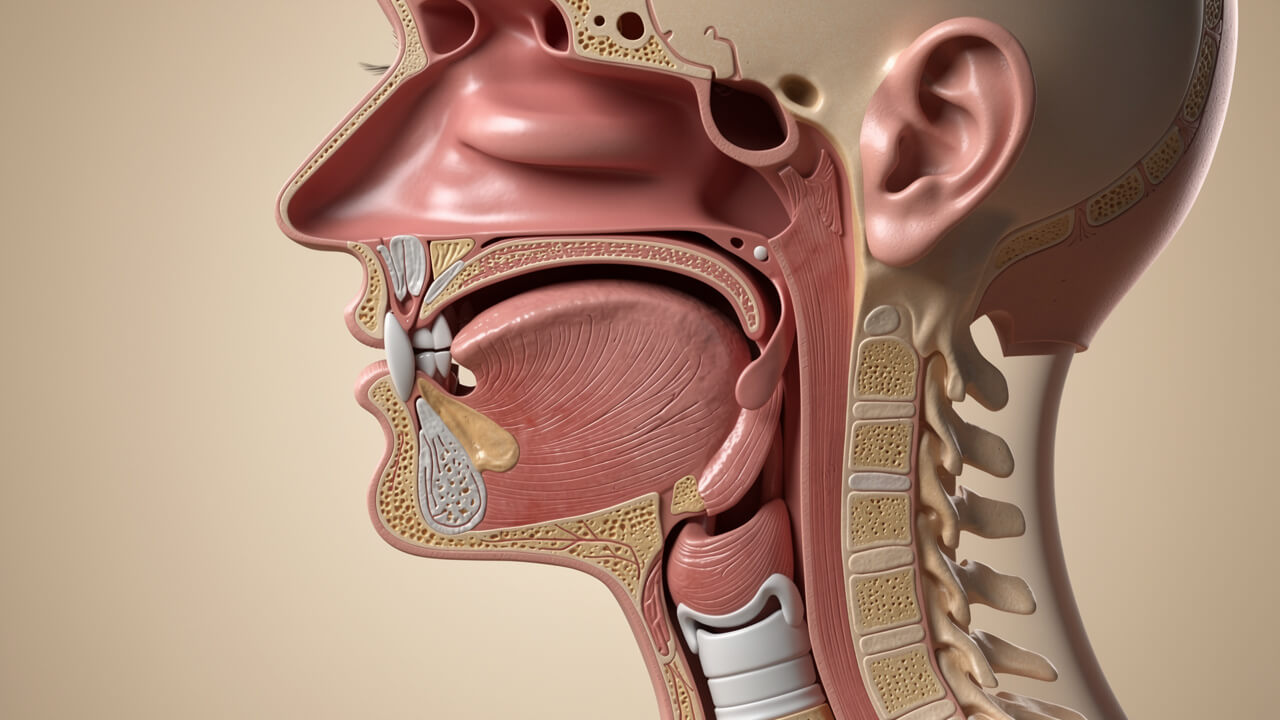
Sleep position affects snoring because of a simple but powerful force: gravity. When air travels through your nasal passages and throat during sleep, it encounters a series of soft tissues—your tongue, soft palate, and the walls of your pharynx.
In certain positions, gravity pulls these structures backward, pressing them against the back wall of your throat and creating a bottleneck that forces air to squeeze through at higher velocity. That turbulent airflow makes the tissues vibrate, producing the characteristic rumble of snoring.
The anatomical pathway matters here. Air enters through your nose or mouth, passes through the pharynx (the space behind your tongue and soft palate), and continues down into your lungs.
Snorers have what researchers call higher pharyngeal compliance—their throat tissues are softer and more collapsible than those of non-snorers. This means their airways are more vulnerable to obstruction when gravity works against them.
The supine position (lying flat on your back) is the worst offender. When you sleep this way, gravity pulls the base of your tongue and your soft palate directly toward the posterior pharynx wall.
This collapse narrows the internal diameter of your airway, sometimes by as much as 50%. The narrower the passage, the faster air must move to deliver the same volume of oxygen to your lungs.
Faster airflow creates more turbulence, and more turbulence means louder, more persistent snoring. Contrast this with lateral sleeping (lying on your side).
In this position, gravity pulls your tongue and soft tissues toward your cheek rather than your throat. The airway maintains a wider diameter, air moves at a lower velocity, and tissue vibration decreases dramatically.
It’s a mechanical shift with immediate results.
“The position you sleep in can be as important as the number of hours you sleep when it comes to airway health and snoring prevention.” — Sleep Medicine Research
Here’s the statistic that should confirm your suspicions: approximately 75% of chronic snorers may have positional obstructive sleep apnea (POSA), where breathing events are at least twice as severe when sleeping on the back compared to other positions. This isn’t a minor issue.
It’s a widespread mechanical problem with a straightforward mechanical answer. Understanding this relationship between gravity, anatomy, and position is the first step toward non-invasive relief.
You’re not broken, and you don’t necessarily need surgery or expensive equipment. You need to work with your body’s mechanics instead of against them.
The Best Sleep Positions to Stop Snoring Tonight
Adjusting your sleep position is the single most powerful natural intervention you can make to reduce or eliminate snoring. The three primary positions—side, elevated back, and stomach—each interact differently with gravity and your airway anatomy.
Here’s how they rank in effectiveness and practicality.

Side Sleeping: Your Most Powerful Natural Defense
Side sleeping (the lateral position) is the gold standard for preventing airway collapse. When you lie on your side, gravity pulls your tongue and soft palate toward your cheek instead of your throat.
This keeps the internal diameter of your airway wide open, allowing air to flow smoothly without creating the turbulence that causes snoring. The challenge is staying on your side throughout the night.
Most people naturally roll onto their backs during deep sleep, undoing all the benefits. Here are proven methods to maintain lateral sleeping:
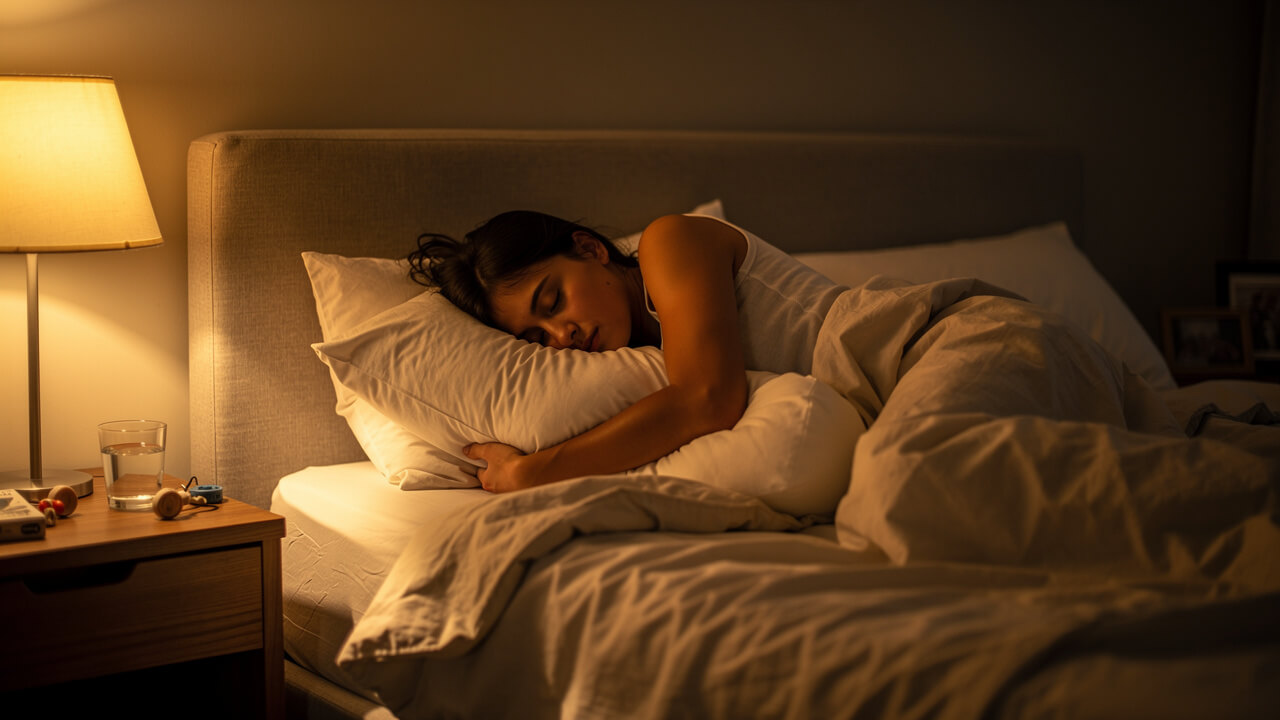
Full-length body pillow: Provides physical support that makes it easier to maintain the lateral position. Hug it with your top arm and leg, and it creates a barrier that prevents you from rolling onto your back.
Tennis ball technique: Sew a tennis ball into a pocket on the back of your pajama top. If you attempt to roll onto your back during the night, the discomfort of the ball pressing into your spine will prompt you to return to your side without fully waking up. Over time (usually two to four weeks), your brain learns to favor the lateral position automatically.
Specialized positional therapy devices: Slumber bumpers or vibrating belts detect when you’re on your back and provide gentle stimuli to encourage repositioning. These devices are particularly useful for people with diagnosed positional obstructive sleep apnea.
If side sleeping causes hip or shoulder discomfort, place a pillow between your knees. This aligns your hips and spine, reducing pressure on your joints and making the position more sustainable throughout the night.
Elevated Sleeping: The 12-Degree Solution for Back Sleepers
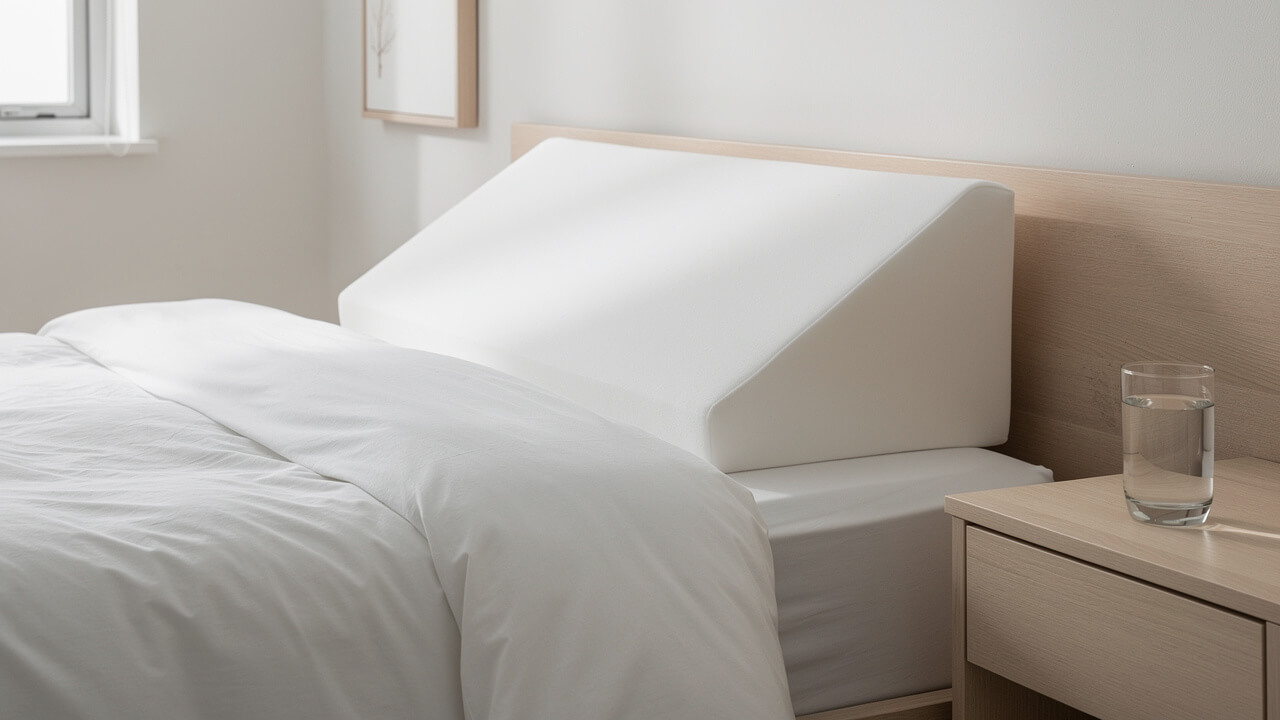
If you’re committed to sleeping on your back or find side sleeping uncomfortable, elevating your upper body offers a research-backed alternative. Recent in-home studies have demonstrated that sleeping at a 12-degree incline reduces snoring duration by 7%.
This angle is the sweet spot—steep enough to prevent airway collapse but shallow enough to remain comfortable for long-term use. The physiological mechanism is straightforward.
Elevation reduces the pressure on your upper airways and minimizes throat compression. Gravity still pulls your tissues downward, but the angle prevents them from collapsing completely against the back wall of your pharynx.
Additionally, this position helps alleviate nocturnal gastroesophageal reflux (heartburn), which can irritate throat tissues and contribute to snoring. You have three practical methods for achieving this elevation:
Adjustable bed bases: Offer the most precise control and often come with “Anti-Snore” presets that automatically position the bed at the optimal angle.
Wedge pillows: Made from firm foam, these provide a consistent incline from your lower back to your head at a fraction of the cost of an adjustable bed.
Bed frame risers: Can prop up the two legs at the head of your bed, inclining the entire mattress.
Here’s the critical warning: Do not simply stack standard pillows under your head. This creates a sharp bend in your neck that can actually kink your airway, similar to crimping a garden hose.
The result is worsened snoring, restricted breathing, and chronic neck pain. The elevation must support your entire torso from the waist up, not just your head.
Why Stomach Sleeping Isn’t Worth the Trade-Off
Sleeping on your stomach (the prone position) does prevent tongue obstruction by pulling your tissues forward, leaving your airway wide open. However, the musculoskeletal cost is severe.
You must turn your head to one side to breathe, which places chronic strain on your neck and upper back. Over time, this can lead to persistent pain and spinal misalignment that far outweighs the anti-snoring benefits.
Side-sleeping alternatives offer the same airway benefits without the physical damage.

Lifestyle Changes That Multiply Your Positional Therapy Result
Sleep position is most effective when combined with complementary lifestyle adjustments. Snoring is often multifactorial, meaning several contributing factors work together to create the problem.
Addressing these factors simultaneously creates a comprehensive, sustainable approach to quieter sleep. Weight management directly impacts the amount of adipose tissue around your neck.
Excess fat increases internal throat pressure and makes your airway more susceptible to collapse, regardless of position. If your snoring began after a period of weight gain, returning to a lower weight can significantly widen the internal diameter of your throat and reduce or eliminate the problem.
Even modest weight loss of 10-15 pounds can produce noticeable improvements. Alcohol and sedatives reduce the resting muscle tone in your throat.
When these muscles become excessively relaxed, they’re more likely to vibrate and obstruct airflow. The tissues become “floppier,” undermining even optimal sleep positioning.
Avoid consuming alcohol for at least four to five hours before bed. If you take sedatives or sleep medications, discuss alternatives with your doctor if snoring is a persistent issue.
Hydration plays a surprisingly important role. Dehydration makes the mucus and secretions in your nose and soft palate stickier, which increases the noise of tissue vibration.
Aim for 11-16 cups of water daily, with most of your intake occurring earlier in the day to avoid nighttime bathroom trips. Nasal airway management is critical because clogged or narrowed nasal passages force air to move faster, creating a vacuum effect that collapses the soft tissues below.
A hot shower or saltwater nasal rinse before bed clears obstructions. Nasal strips can be effective if the blockage is localized to your nostrils, as they physically lift and open the nasal passages.
If you have chronic congestion due to allergies or a deviated septum, addressing these underlying issues with a healthcare provider can dramatically reduce snoring. Allergen control in your bedroom reduces inflammation in your nasal passages.
Dust mites accumulate in pillows and can cause tissue swelling that narrows your airways. Replace your pillows every six months and run them through an “air fluff” cycle every two weeks.
Keep pets out of your bed to minimize inhalation of animal dander during the night. These simple changes reduce allergic reactions that contribute to airway resistance.
Combining these lifestyle adjustments with positional therapy creates a synergistic effect. Each change addresses a different contributing factor, and together they provide a comprehensive, non-invasive path to restorative sleep.

When to Seek Professional Help: Recognizing the Red Flags
Positional therapy is an excellent first-line defense, but it’s not a cure-all.
If your snoring persists despite optimal positioning and lifestyle adjustments, it may indicate a more serious condition that requires medical intervention.
Understanding the difference between simple positional snoring and obstructive sleep apnea (OSA) is critical for protecting your long-term health.
Obstructive sleep apnea is a disorder where your breathing is repeatedly interrupted during sleep.
Unlike positional snoring, which responds to posture changes, OSA involves complete or partial airway collapse that occurs regardless of position.
This condition is associated with serious cardiovascular risks, including heart disease, hypertension, coronary artery disease, and depressive disorders.
Approximately 75% of regular snorers may have some degree of OSA, making professional evaluation essential for chronic snorers.
Specific symptoms warrant immediate consultation with a healthcare provider:
Gasping or choking sounds during sleep indicate that your airway is closing completely, forcing your body to wake partially to restore breathing
Excessive daytime sleepiness despite spending adequate time in bed suggests that your sleep quality is severely compromised by repeated breathing interruptions
Morning headaches, difficulty concentrating, and memory issues are additional signs that your brain isn’t receiving sufficient oxygen during the night
If your snoring persists regardless of sleep position changes, it’s time to see a specialist.
The NoSAS screening tool (which evaluates Neck circumference, Obesity, Snoring, Age, and Sex) can help you determine whether your snoring warrants a clinical sleep study.
Polysomnography, conducted in a sleep lab or at home with portable equipment, measures your breathing patterns, oxygen levels, and sleep stages to diagnose OSA definitively.
When positional therapy alone is insufficient, advanced treatment options become necessary.
Continuous Positive Airway Pressure (CPAP) machines deliver pressurized air through a mask, keeping your airway open throughout the night.
Custom-fitted oral appliances, including mandibular advancement devices (MADs) and tongue retaining devices (TRDs), mechanically prevent airway collapse by repositioning your jaw or tongue.
This is where Snoring HQ becomes an invaluable resource.
We review and recommend top-tier mandibular advancement devices like SnoreRx, SleepTight, and ZQuiet, as well as tongue retaining devices like the Good Morning Snore Solution.
These devices work by mechanically preventing the airway collapse that occurs when your throat muscles relax during sleep.
Our Point Rating System evaluates device effectiveness based on tray calibration, custom impressions, and fixed positioning, helping you choose the option that matches your specific anatomy and sleep style.
Seeking professional help isn’t failure.
It’s taking control of your health and protecting yourself from the serious long-term consequences of untreated sleep-disordered breathing.
Final Thoughts: Your Partner Deserves Peace, and So Do You
Snoring affects the entire household, not just the person making the noise.
Chronic snoring strains relationships, leading to resentment, separate bedrooms, and what sleep researchers call “sleep divorce.”
When a snorer adopts optimized sleep positions, their partners report being woken up significantly less often—improving their sleep quality by 15-20% and restoring morning alertness.
The evidence-based adjustments we’ve covered—side sleeping, 12-degree elevation, and integrated lifestyle changes—offer a non-invasive path to quieter nights.
You’re not just reducing noise.
You’re reclaiming restorative sleep, protecting your cardiovascular health, and restoring peace to your relationships.
Start tonight with one change.
Choose side sleeping with a body pillow, or raise your upper body with a wedge.
Add one lifestyle adjustment tomorrow.
Track your progress.
The transformation won’t happen overnight, but consistency pays off.
You deserve deep, uninterrupted sleep, and so does everyone sharing your home.